


Listen to the article
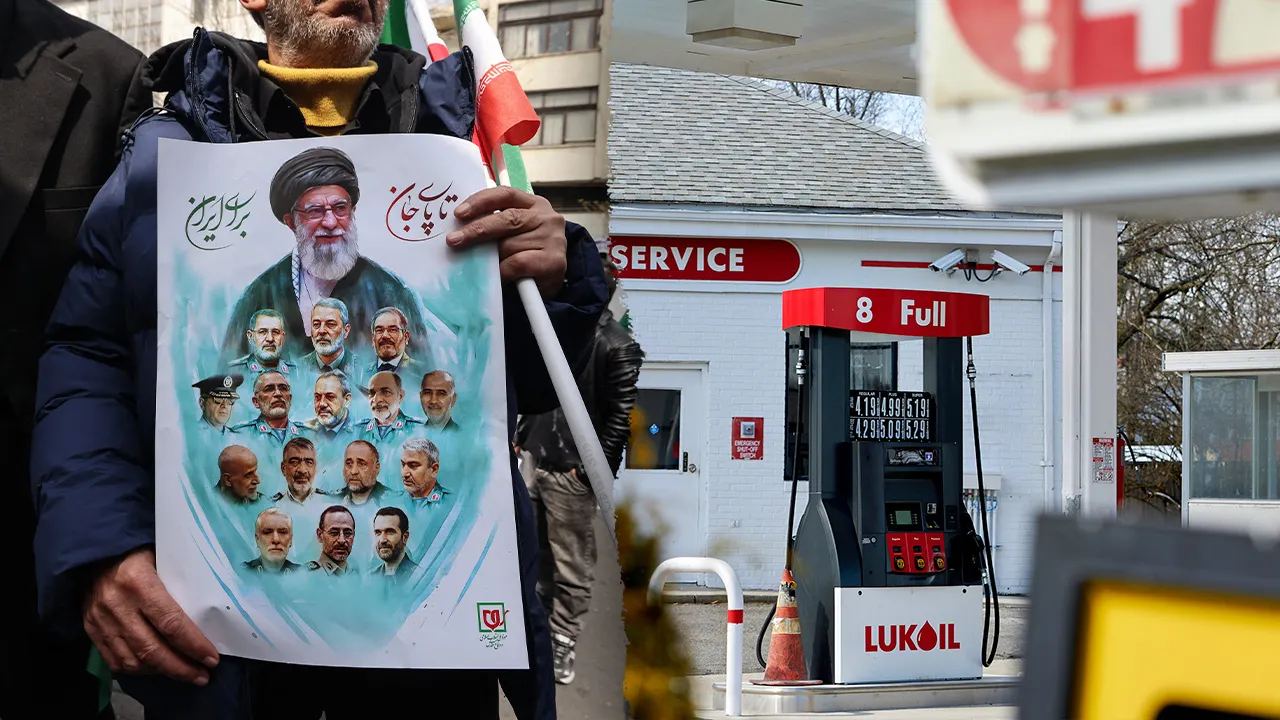
After deliberating and assessing the global oil market situation amid Middle Eastern conflicts stemming from the United States’ attack on Iran, 32 developed nations have agreed to take “unprecedented” action to address oil market challenges.
The International Energy Agency (IEA) held an emergency meeting at its Paris headquarters Tuesday with energy representatives from G7 countries to evaluate market conditions that, according to IEA Executive Director Fatih Birol, “have been significantly affected by the conflict in the Middle East.”
Following the meeting, IEA member countries unanimously agreed Thursday to release 400 million barrels from emergency oil reserves, marking the largest collective release in the organization’s history.
“The oil market challenges we are facing are unprecedented in scale, therefore, I am very glad that IEA Member countries have responded with an emergency collective action of unprecedented size,” Birol said. “Oil markets are global, so the response to major disruptions needs to be global too.”
President Donald Trump praised the agreement during remarks in Kentucky Wednesday, asserting it “will substantially reduce oil prices.” The decision comes at a critical time for global energy markets, which have experienced significant volatility since the U.S.-Iran conflict began.
Before hostilities erupted, oil traded between $60 and $70 per barrel. Prices surged after the conflict began, with crude oil futures reaching over $115 per barrel on Monday—the highest level since Russia’s 2022 invasion of Ukraine. However, some analysts suggest the market has already begun to self-correct following initial fears about the conflict’s impact.
“The market realized that maybe things aren’t that bad – the U.S. is having incredible military victories, President Trump is saying, ‘Hey, you know what, the war is probably not going to be going on that long,'” explained Phil Flynn, senior market analyst at the Price Futures Group and Fox Business contributor.
The IEA’s emergency action represents a significant intervention in global oil markets. Collectively, IEA members hold emergency stockpiles exceeding 1.2 billion barrels, plus an additional 600 million barrels in industry stocks. This marks only the sixth coordinated release in the agency’s approximately 50-year history, following actions in 1991, 2005, 2011, and twice in 2022.
The previous record for the largest collective action occurred after Russia invaded Ukraine, when two combined releases in March and April 2022 totaled 182.7 million barrels—less than half the volume announced Thursday.
President Trump has repeatedly stated this week that the war with Iran would conclude shortly, though he has avoided providing a specific timeline. “We don’t want to leave early, do we?” Trump remarked Wednesday. “We gotta finish the job, right? Over the past 11 days, our military has virtually destroyed Iran. It’s a tough country.”
A key concern for energy markets remains Iran’s retaliatory attacks in the Strait of Hormuz, a critical maritime chokepoint through which approximately 20% of global oil shipments pass daily. Interior Secretary Doug Burgum addressed questions about the impact of these attacks, dismissing claims that the Trump administration was unprepared for the conflict’s effect on oil markets.
When asked how the U.S. might circumvent challenges presented by the Strait of Hormuz, Burgum criticized Iran for “holding the entire world hostage economically by threatening to close the strait.”
“President Trump has made it very clear the consequences if they try to do that,” Burgum continued. “There’s a lot of options between ourselves and our allies in the region, including our Arab friends in the region, to make sure that those straits remain open and energy keeps flowing through the global economy.”
The IEA’s coordinated release comes as part of broader international efforts to stabilize energy markets during a period of heightened geopolitical tension. Market analysts will be watching closely to see if this unprecedented action succeeds in bringing oil prices back to pre-conflict levels and ensuring global energy security amid continuing regional instability.
Fact Checker
Verify the accuracy of this article using The Disinformation Commission analysis and real-time sources.

12 Comments
This is certainly a significant development in the energy markets. I’m curious to see how it impacts the prices of commodities like oil, natural gas, and related mining equities in the near term.
As an industry observer, I’ll be closely monitoring the market reactions and any follow-up announcements from policymakers and industry groups in the coming days.
It’s good to see the IEA and major oil-consuming nations come together to take this unprecedented action. The scale of the release is quite substantial and signals the seriousness of the situation.
I wonder if this will be enough to offset the supply disruptions or if further measures may be needed down the line. The oil market is so volatile these days.
I’m a bit skeptical that this will have a meaningful long-term impact on gas prices. Geopolitical factors seem to be the main driver, and a one-time release may not be a silver bullet.
That said, I do appreciate the coordinated global effort to try to stabilize the market. Even if the effects are temporary, it’s a pragmatic step in the right direction.
This is an important global agreement to address the oil market challenges caused by the Middle Eastern conflicts. Releasing 400 million barrels from emergency reserves is a significant step to help stabilize prices and supply.
I’m curious to see how effective this coordinated action will be in lowering gas prices for consumers. Hopefully it provides some relief amidst the ongoing geopolitical tensions.
As an investor in energy and mining equities, I’m closely watching this situation unfold. Volatile oil and commodity prices can have significant impacts on the sector.
This announcement may provide some short-term relief, but the underlying geopolitical tensions remain a concern. I’ll be monitoring the market closely in the coming weeks and months.
From a broader economic perspective, high energy prices can have ripple effects across many industries and consumer spending. Hopefully this global agreement helps to alleviate some of that pressure.
It will be interesting to see how this plays out and if further policy actions are taken to address the root causes of the supply and pricing issues.