


Listen to the article
National Intelligence Director Gabbard Dissolves Controversial Task Force
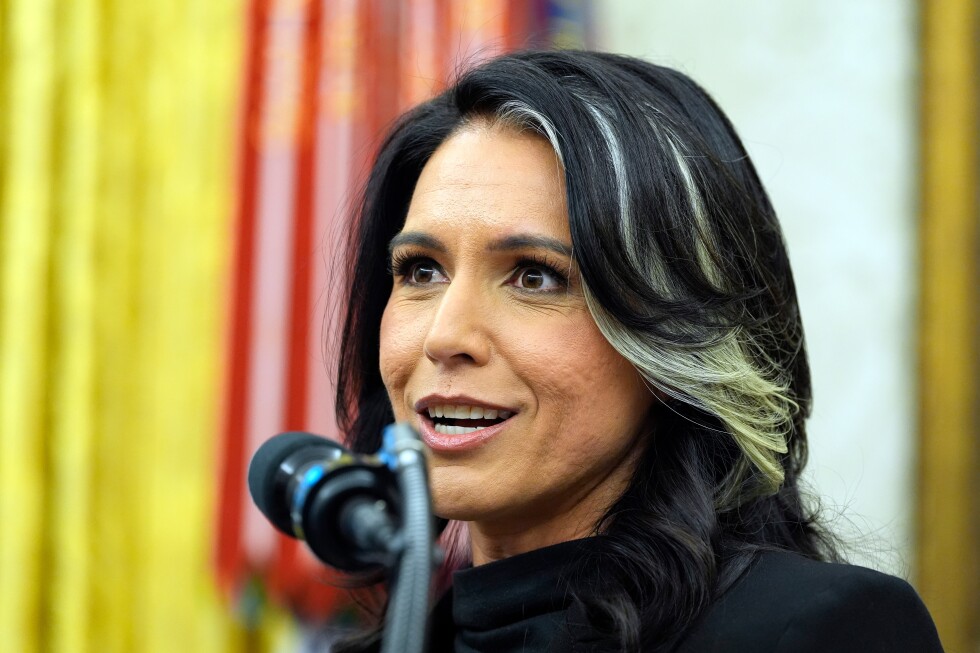
Director of National Intelligence Tulsi Gabbard announced Wednesday the dissolution of a special task force she established less than a year ago to examine potential reforms within the U.S. intelligence community.
The Director’s Initiative Group, formed in April, has completed its mission according to Gabbard’s office. The classified panel was originally tasked with addressing what Gabbard described as politicization in intelligence gathering, exploring budget reductions, and evaluating whether sensitive intelligence on topics like COVID-19 should be declassified.
“In less than one year, we’ve brought a historic level of transparency to the intelligence community,” Gabbard said in a statement. “My commitment to transparency, truth, and eliminating politicization and weaponization within the intelligence community remains central to all that we do.”
The task force’s personnel count and identities remain classified information. These officers will now return to their respective agencies to continue implementing initiatives begun under the group, according to Gabbard’s office.
The panel had drawn significant criticism since its inception, particularly from Democrats and intelligence community veterans who expressed concerns that it would weaken America’s spy agencies and potentially subordinate them to President Donald Trump’s political interests.
During her tenure, Gabbard has overseen significant changes to U.S. intelligence operations. Critics have pointed to several controversial actions, including instances where intelligence agencies appeared to lend credence to Trump’s disputed claims about the 2016 and 2020 elections.
Her administration has revoked security clearances from dozens of current and former intelligence officials, a move that sparked debate within national security circles. Gabbard’s office has also declassified numerous documents that challenge long-established conclusions about Russian interference in the 2016 presidential election.
Democrats have particularly criticized Gabbard’s presence at an FBI search of a Georgia election office related to the 2020 election. They argue this involvement blurs the traditional separation between foreign intelligence gathering and domestic law enforcement operations—a boundary traditionally maintained to protect civil liberties.
Under Gabbard’s direction, the CIA released additional information regarding its investigations into COVID-19’s origins, including a controversial assessment suggesting the virus most likely originated in a laboratory rather than through natural transmission from animals to humans. This conclusion represented a shift from earlier intelligence community positions.
Budget concerns have also been a focus of Gabbard’s leadership. In August, she announced plans to reduce staffing in her office and cut more than $700 million from its annual budget—a significant reduction that raised questions about potential impacts on intelligence capabilities during a period of escalating global tensions.
Personnel changes have been equally dramatic. In May, Gabbard fired two senior intelligence officials after determining they were opposed to President Trump, raising concerns about politicization within agencies traditionally expected to remain apolitical.
The dissolution of the Director’s Initiative Group marks the end of one controversial chapter in Gabbard’s tenure, but the broader implications of her reform agenda continue to generate debate among lawmakers, intelligence professionals, and national security experts.
Intelligence community observers note that while increased transparency is generally viewed as positive, there are ongoing concerns about maintaining the independence and objectivity of America’s 18 intelligence agencies, which collectively form a critical component of national security infrastructure.
As officers from the task force return to their agencies, questions remain about how the initiatives they began will continue to reshape America’s intelligence landscape in the months ahead.
Fact Checker
Verify the accuracy of this article using The Disinformation Commission analysis and real-time sources.

14 Comments
Declassifying sensitive intelligence like COVID-19 information could be valuable, but it’s a complex issue with national security implications. I hope the task force at least made progress on that front before being dissolved.
Agreed, the balance between transparency and protecting sensitive data is delicate. More details on their work and recommendations would be helpful to assess the value of this initiative.
The goal of reducing politicization and increasing transparency in intelligence is admirable, but I’m skeptical this task force achieved meaningful reform in less than a year. Curious to learn more about its specific accomplishments and why Gabbard decided to dissolve it already.
Rushing significant reforms in the intelligence community is risky. A more gradual, deliberate approach may have been wiser to ensure lasting change.
Interesting to see Gabbard dissolve this intelligence task force after less than a year. I wonder what the key takeaways were and why the initiative was ended so quickly. More transparency in the intelligence community is certainly needed.
Agreed, it’s unclear why this task force was shut down so soon. Hopefully the work they started will continue within the respective agencies.
The intelligence community’s politicization and lack of transparency are longstanding issues. While I’m skeptical this task force achieved a ‘historic level of transparency’ in less than a year, I appreciate Gabbard’s efforts to address these problems.
Agreed, real reform of the intelligence apparatus takes time and sustained focus. Hopefully the groundwork laid by this task force will inform future efforts, even if the group itself has been dissolved.
Tackling politicization in intelligence gathering is a worthy goal, but I’m curious what specific steps this task force took and why Gabbard felt the work was already complete. Seems like an awfully quick turnaround for such an entrenched problem.
Ending the task force so soon raises questions about how much real progress was made. Addressing the politicization of intelligence is an ongoing challenge that likely requires more sustained effort.
Gabbard’s commitment to truth and transparency in the intelligence community is admirable, but ending this task force so quickly raises questions. I hope the initiatives started under this group will continue, even if the task force itself is dissolved.
Agreed, the goal of depoliticizing intelligence is important, but more time may have been needed to achieve meaningful, lasting reforms. Curious to see if Gabbard pursues other approaches going forward.
Evaluating budget reductions for intelligence agencies is a sensitive issue with national security implications. I hope the task force at least started that analysis, even if the full results remain classified.
Agreed, any proposals for intelligence budget cuts need to be carefully considered. Transparency around the task force’s process and findings would help assess the merits of their work.