


Listen to the article
Evolution of the White House Correspondents’ Dinner: A Century of Political Humor
The White House Correspondents’ Dinner has transformed significantly since its inception shortly after World War I, evolving from a modest gathering into Washington’s premier social event where journalism elites, political staffers, business leaders and celebrities converge. At its center stands a unique American tradition: the leader of the free world and a comedian delivering dueling roasts, creating moments that range from lighthearted to tension-filled.
As Donald Trump prepares to attend for the first time as president, the dinner’s rich history of memorable moments offers perspective on this distinctly American political tradition.
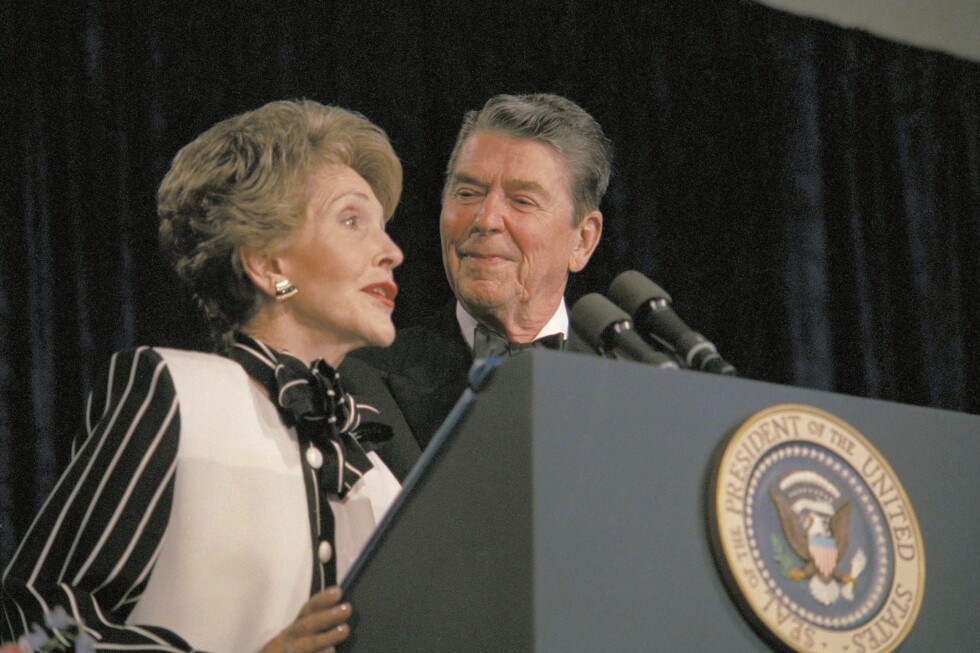
Ronald Reagan’s 1983 appearance demonstrated the delicate balance between humor and solemnity that presidents must navigate. Known for his Hollywood charm and natural comedic timing, Reagan was scheduled to deliver his customary humorous remarks following comedian Mark Russell. However, after returning from Andrews Air Force Base, where he had received the remains of Americans killed in the bombing of the U.S. Embassy in Lebanon, Reagan chose a different path.
“I realize the original plan was that I would, in a sense, sing for my supper,” Reagan told the hushed audience. Rather than proceed with jokes, he explained that under the circumstances, humor would be inappropriate. “If you’ll forgive us, I’ll keep my script, and I hope you’ll give us a rain check,” he said, displaying the gravity a president sometimes must prioritize over entertainment.
The dinner has occasionally spawned unlikely friendships, as demonstrated by the rapport between President George H.W. Bush and comedian Dana Carvey. The “Saturday Night Live” star’s exaggerated impression of Bush’s mannerisms and catchphrases (“Not gonna do it. Wouldn’t be prudent”) became iconic in American popular culture. Rather than taking offense, Bush embraced the parody, inviting Carvey to the White House for a Christmas party after losing his re-election bid to Bill Clinton in 1992. Their friendship continued long after Bush left office, showing how political humor, when approached with mutual respect, can transcend partisan divides.
Not all presidential attempts at humor have landed well. In 2004, with American forces still in Iraq following an invasion predicated on claims of weapons of mass destruction that had proven unfounded, George W. Bush presented a slideshow showing him searching for these weapons throughout the White House.
“Those weapons of mass destruction have got to be here somewhere,” Bush joked as an image showed him looking under Oval Office furniture. While the audience of journalists and Washington insiders laughed, many veterans and critics, including then-Senator John Kerry, found the bit tone-deaf given the mounting casualties and controversy surrounding the war’s justification.
The 2006 dinner marked a turning point in the event’s tone when Stephen Colbert, then hosting Comedy Central’s “The Colbert Report,” delivered a scathing satirical address with President Bush seated just feet away. Performing in his conservative pundit persona, Colbert unleashed a barrage of thinly veiled criticisms: “The greatest thing about this man is he’s steady. You know where he stands. He believes the same thing Wednesday that he believed on Monday, no matter what happened Tuesday.”
Colbert’s performance broke with tradition by directly attacking not only the president but also the Washington press corps itself: “Over the last five years you people were so good — over tax cuts, WMD intelligence, the effect of global warming. We Americans didn’t want to know, and you had the courtesy not to try to find out.” The routine created visible discomfort in the room but later became a viral sensation online, heralding a new era of more confrontational political satire.
The dinner’s increasingly polarized nature became evident during the Trump administration when the president broke with tradition by refusing to attend. In his absence in 2018, comedian Michelle Wolf delivered a controversial routine that targeted Trump’s press secretary Sarah Huckabee Sanders, who was present at the head table.
“I actually really like Sarah. I think she’s very resourceful,” Wolf said. “But she burns facts and then she uses that ash to create a perfect smoky eye. Like maybe she’s born with it; maybe it’s lies.” The joke prompted the White House Correspondents’ Association to issue a statement distancing itself from Wolf’s remarks, highlighting the growing tensions between the press, comedy, and political figures.
Perhaps the most consequential dinner occurred in 2011 when President Barack Obama delivered a devastating comedic takedown of then-celebrity businessman Donald Trump, who was in attendance. Trump had been promoting the false “birther” conspiracy theory questioning Obama’s citizenship. Obama used the platform to mock these claims, showing a clip from “The Lion King” as his “official birth video” before directing his fire at Trump’s reality television credentials.
“These are the kind of decisions that would keep me up at night,” Obama joked about Trump’s role judging cooking competitions on “Celebrity Apprentice.” As cameras captured Trump’s stone-faced reaction, few realized the potential historical significance of the moment. By November 2012, Trump had trademarked his future campaign slogan: “Make America Great Again.”
As Trump returns to the dinner after years of absence, the event continues its evolution as a uniquely American institution that reflects the complex relationship between the presidency, the press, and political humor in our national discourse.
Fact Checker
Verify the accuracy of this article using The Disinformation Commission analysis and real-time sources.

10 Comments
The evolution of the White House Correspondents’ Dinner reflects the changing dynamics of American politics and media. It’s intriguing to see how presidents have adapted their approach over the years.
Reagan’s decision to strike a more somber tone demonstrates the delicate balance that presidents must strike. This event seems to be a unique opportunity for political leaders to engage with the press and public in a more casual setting.
As someone with an interest in politics and media, I find the history of the White House Correspondents’ Dinner quite fascinating. The contrast between lighthearted comedy and more serious moments must make for a unique event.
I’m curious to see how President Trump will navigate this tradition, given his somewhat contentious relationship with the media. His attendance will certainly be an interesting moment in the dinner’s history.
The White House Correspondents’ Dinner sounds like a fascinating political tradition with a rich history. I’m curious to learn more about how presidents have navigated the balance between humor and solemnity over the years.
Reagan’s decision to forego his usual comedic routine after a somber event demonstrates the delicate nature of this event. It must be challenging for presidents to strike the right tone.
The White House Correspondents’ Dinner sounds like a fascinating event that offers a glimpse into the relationship between the presidency and the media. I’m curious to learn more about the various memorable moments that have occurred over the years.
It will be interesting to see how President Trump approaches this tradition, given his past conflicts with the media. His attendance could make for a particularly noteworthy event in the dinner’s history.
It’s interesting to see how this dinner has evolved over time, from a modest gathering to a high-profile social event. I wonder how the dynamic has changed as more celebrities and business leaders have become involved.
The dinner’s ability to bring together such a diverse group of influential figures must create an interesting atmosphere. I imagine the political humor can sometimes feel tense or cringeworthy.