


Listen to the article
Legal Experts Defend Comey Indictment Case Despite Free Speech Concerns
Legal experts are pushing back against skepticism surrounding the indictment of former FBI Director James Comey, arguing that the Department of Justice would not have pursued charges without substantial evidence meeting key legal thresholds.
“Lots of folks are saying the case is going nowhere, but, way too early to reach that conclusion,” said John Fishwick, a former Democratic U.S. Attorney who served in Virginia during the Obama administration. His comments come amid widespread debate about the merit and constitutional implications of the case.
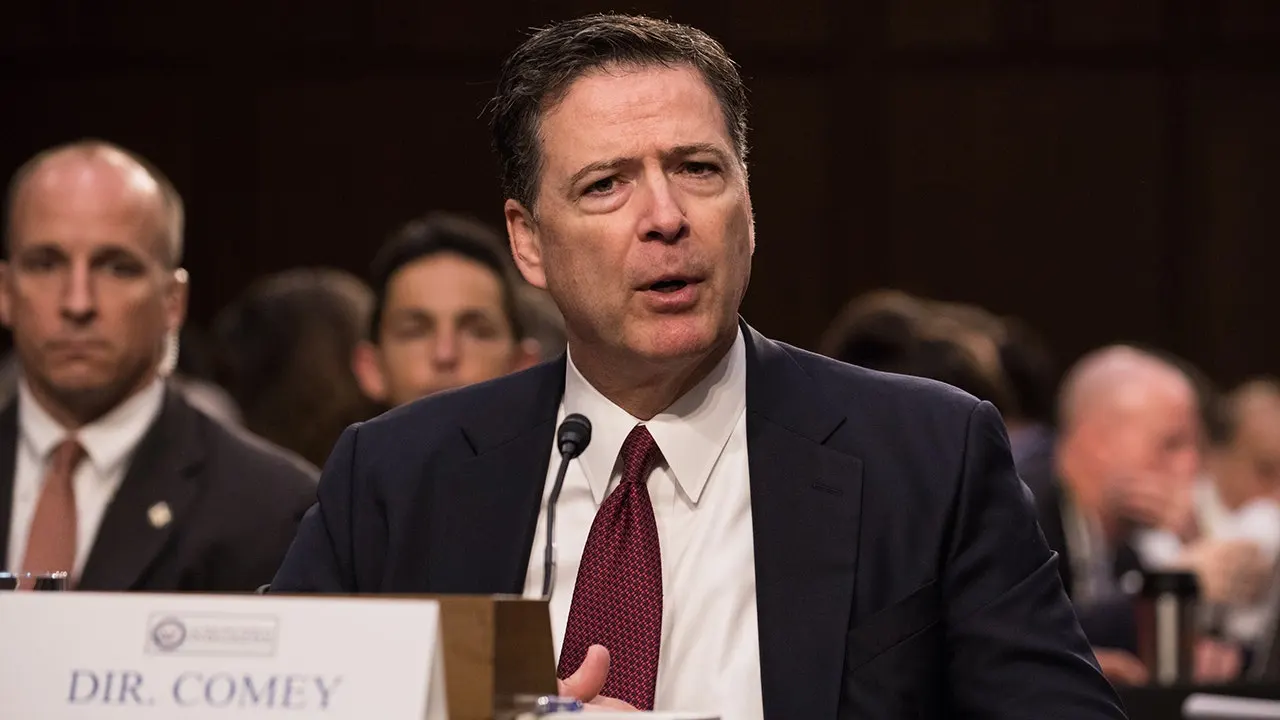
The indictment, filed last month in the Eastern District of North Carolina, alleges that Comey threatened former President Trump and delivered interstate communications containing threats when he posted a photo on Instagram showing seashells arranged to read “8647” last year. Prosecutors interpret “86” as slang for getting rid of someone, paired with “47”—allegedly referencing Donald Trump as the potential 47th president.
The case has sparked immediate backlash from free speech advocates and critics who accuse the DOJ of infringing on constitutionally protected expression to prosecute one of Trump’s prominent political adversaries. The relationship between the two has been notoriously contentious since Trump fired Comey as FBI director in 2017, after which Comey became an outspoken critic and published an anti-Trump book.
Acting Attorney General Todd Blanche defended the prosecution during an appearance on “Meet the Press,” emphasizing that the case extends beyond a single social media post. “This is not just about a single Instagram post. This is about a body of evidence that the grand jury collected over the series of about 11 months,” Blanche stated.
Chad Mizelle, former DOJ chief of staff, reinforced this perspective, telling Fox News Digital: “I don’t think the department would have secured the indictment without concrete evidence that Comey did knowingly and willfully threaten the president of the United States.” Mizelle suggested prosecutors likely possess non-public evidence such as text messages or emails that establish Comey’s intent.
The timing of the indictment—secured from a grand jury days after a third alleged assassination attempt on Trump at the White House Correspondents’ Association Dinner—has been highlighted by Blanche as evidence that prosecuting threats against the president is a priority regardless of who makes them.
Legal hurdles remain significant, however. Prosecutors must prove Comey’s intent and that the message constituted a “true threat,” a high bar in First Amendment jurisprudence. George Washington University law professor Jonathan Turley raised concerns that if the case rests solely on the image of seashells forming “8647,” it faces substantial constitutional challenges, arguing the image “is clearly protected speech” absent additional evidence.
The Foundation for Individual Rights and Expression has strongly criticized the charges, suggesting “86” could actually reference impeachment rather than harm and arguing the case contradicts Supreme Court precedent establishing standards for “true threats.”
“The idea that Comey’s picture of seashells conveyed a serious intent to harm the president is ridiculous,” the organization stated. “The administration should abandon this transparent and unconstitutional attempt to punish a critic.”
Comey’s background as a former federal prosecutor, deputy attorney general, and FBI director has factored into assessments of the case. “More than any American, [he] knows not to make threats and what a threat looks like,” Fishwick noted, suggesting Comey’s legal expertise could work against him.
Senator Josh Hawley (R-Mo.) echoed this sentiment: “This is a very smart guy. He knows what he’s doing. He’s nobody’s fool… He knew exactly what he was doing, but hey, he’s going to have his day in court.”
For his part, Comey quickly deleted the post after initial controversy, claiming he hadn’t realized he shared something that could be interpreted as threatening. Following the indictment, he maintained his innocence, stating: “I’m still not afraid, and I still believe in the independent federal judiciary, so let’s go.”
Comey’s arraignment is scheduled for May 11 in Greenville, North Carolina. The case unfolds against the backdrop of heightened concerns about political violence and threats against public figures, circumstances that Fishwick suggests could influence jurors if the case proceeds to trial.
Fact Checker
Verify the accuracy of this article using The Disinformation Commission analysis and real-time sources.

8 Comments
This is a complex situation with valid concerns on both sides. Prosecutors will need to demonstrate a clear and imminent threat to overcome free speech protections. I’ll be following this story closely.
While I appreciate the need to protect national security and the rule of law, I share the concerns about the potential chilling effect on public discourse. Careful consideration of the facts and legal standards is crucial here.
An indictment of a former top federal official is a serious matter. I’m glad to see legal experts offering diverse perspectives on the merits and potential consequences of this case.
Interesting development. I’m curious to see how this case plays out and whether the alleged threats meet the legal bar for prosecution. Constitutional free speech rights are paramount, but public officials must also be held accountable.
Reasonable people can disagree on the merits of this case. I hope the judicial process carefully examines all the evidence and legal precedents to reach a just outcome, regardless of partisan considerations.
It’s good to see a balanced discussion of the issues at play. Protecting free speech is vital, but so is holding public figures accountable. This will be an important case to monitor going forward.
As a legal expert, I can understand the argument that the DOJ wouldn’t pursue charges without substantial evidence. However, the First Amendment implications require extremely careful scrutiny of the case.
This is a complex situation that highlights the delicate balance between national security concerns and constitutional rights. I look forward to seeing how the legal arguments unfold.