


Listen to the article
Former U.S. Sen. Ben Nighthorse Campbell of Colorado, a trailblazing Native American lawmaker known for his distinctive style and advocacy, died Tuesday at the age of 92.
Campbell passed away of natural causes while surrounded by family members, according to his daughter Shanan Campbell. He is survived by his wife Linda, their two children Shanan and Colin, and four grandchildren.
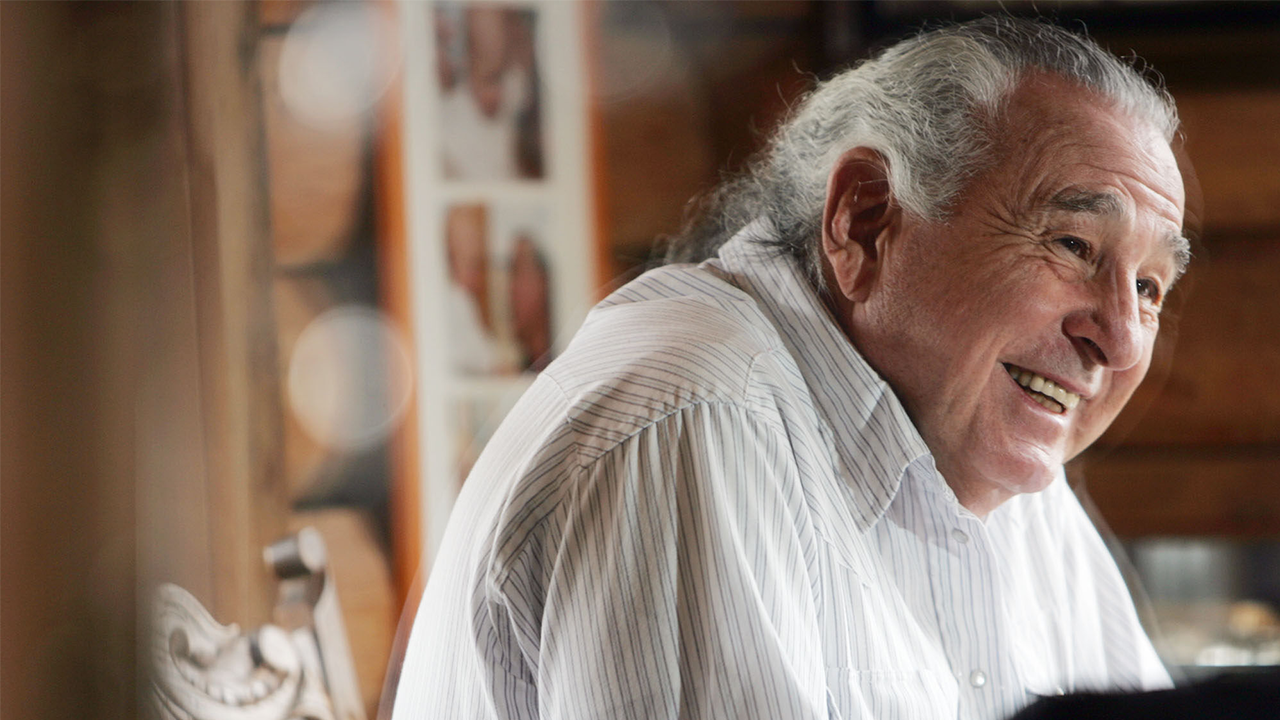
As the first Native American to serve in both the U.S. House of Representatives and the U.S. Senate, Campbell left an indelible mark on American politics. His 12-year Senate career from 1993 to 2005 was notable not only for his legislative accomplishments but also for his memorable personal style that included cowboy boots, bolo ties, and a signature ponytail.
Campbell began his political career as a Democrat but made headlines in 1995 when he switched to the Republican Party while serving in the Senate. Despite the switch, which angered Democratic leaders at the time, Campbell maintained that his core principles remained unchanged.
“It didn’t change me. I didn’t change my voting record,” he once said about his party switch. “For instance, I had a sterling voting record as a Democrat on labor. I still do as a Republican. And on minorities and women’s issues.”
A member of the Northern Cheyenne tribe, Campbell was a passionate advocate for Native American issues throughout his political career. He spoke openly about his ancestors being among the more than 150 Native Americans—mostly women, children, and elderly men—who were killed by U.S. soldiers while camped under a flag of truce in 1864. He later helped sponsor legislation to upgrade the Great Sand Dunes National Monument in southern Colorado, the site of the massacre, to a national park.
Born on April 13, 1933, in Auburn, California, Campbell’s life was marked by extraordinary diversity of experience. He served in the Air Force during the Korean War before earning a bachelor’s degree from San Jose State University in 1957. He later studied at Meiji University in Tokyo from 1960 to 1964.
A world-class athlete, Campbell captained the U.S. judo team at the 1964 Olympics and won a gold medal in the Pan American Games. His professional experience included work as a deputy sheriff in Sacramento County, California, coaching the U.S. national judo team, operating his own dojo, and teaching high school.
Beyond politics and athletics, Campbell gained recognition as a renowned master jeweler. His distinctive designs are displayed at the Smithsonian Institution’s National Museum of the American Indian, a testament to his artistic talent. After leaving Congress, he continued to design and craft American Indian jewelry while also founding Ben Nighthorse Consultants, a lobbying firm focused on federal policy including Native American affairs and natural resources.
Colorado’s political leaders from both parties paid tribute to Campbell following news of his death. Governor Jared Polis, a Democrat, ordered flags to be lowered to half-staff from sunrise to sunset on the day of Campbell’s service, saying on social media that Campbell “will be missed here in Colorado and across the country, and his contributions leave a lasting legacy to our state and nation.”
Colorado Senator John Hickenlooper, also a Democrat, remembered Campbell’s kindness and his reputation as a master jeweler that extended “far beyond the boundaries of Colorado.”
Throughout his political career, Campbell described himself as a social liberal and fiscal conservative, a combination that sometimes put him at odds with the extremes of both parties. “I’m always willing to listen… but I just don’t think you can be all things to all people, no matter which party you’re in,” he once reflected.
Campbell retired from the Senate in 2005 citing health concerns, but his legacy as a groundbreaking lawmaker, accomplished athlete, and talented artist continues to resonate in Colorado and across the nation.
Fact Checker
Verify the accuracy of this article using The Disinformation Commission analysis and real-time sources.

10 Comments
It’s remarkable that Campbell was the first Native American to serve in both chambers of Congress. His party switch in the Senate was certainly controversial, but he maintained his core principles throughout his time in office.
Absolutely, he stayed true to his values despite the political shift. That level of integrity is admirable.
Campbell’s passing marks the end of an era in Colorado politics. As the state’s first Native American senator, he paved the way for greater representation and diversity in government.
While his party affiliation changed, Campbell remained consistent in his core values and advocacy for the issues he cared about. This principled approach is admirable in today’s polarized political climate.
It’s remarkable that Campbell was able to serve for over a decade in the Senate, maintaining his unique personal style and advancing Native American interests throughout his time in office.
The news of Sen. Campbell’s death at 92 is saddening. He was a respected figure who broke barriers and left a lasting impact on Colorado and national politics.
Agreed, his contributions to public service and advocacy for Native American rights are truly noteworthy.
Senator Campbell led an impressive and pioneering political career, serving with distinction in both the House and Senate. His unique personal style and advocacy for Native American issues left a lasting impact on American politics.
The news of Sen. Campbell’s death is a somber reminder of the passing of a political trailblazer. His legacy of service and advocacy will continue to inspire future generations of leaders.
Campbell’s passing marks the end of an era. As a trailblazer for Native American representation in government, his legacy will continue to inspire future generations of public servants.