


Listen to the article
In a dramatic escalation of Middle East tensions, U.S. and Israeli forces launched coordinated strikes against Iran early Saturday, targeting military installations and ballistic missile sites that officials described as posing an “imminent threat” to regional security.
The operation, which reportedly included strikes on the Tehran compound of Iran’s 86-year-old Supreme Leader Ayatollah Ali Khamenei, marks a significant intensification of the ongoing conflict. According to a U.S. official speaking to Fox News, while American forces are focusing on military targets, Israeli operations appear to be targeting Iranian leadership.
President Donald Trump issued a video statement addressing the Iranian people directly, urging them to “take over your government” once military operations conclude. The operation, dubbed “Epic Fury” by some officials, represents one of the most significant U.S. military actions in the region in recent years.
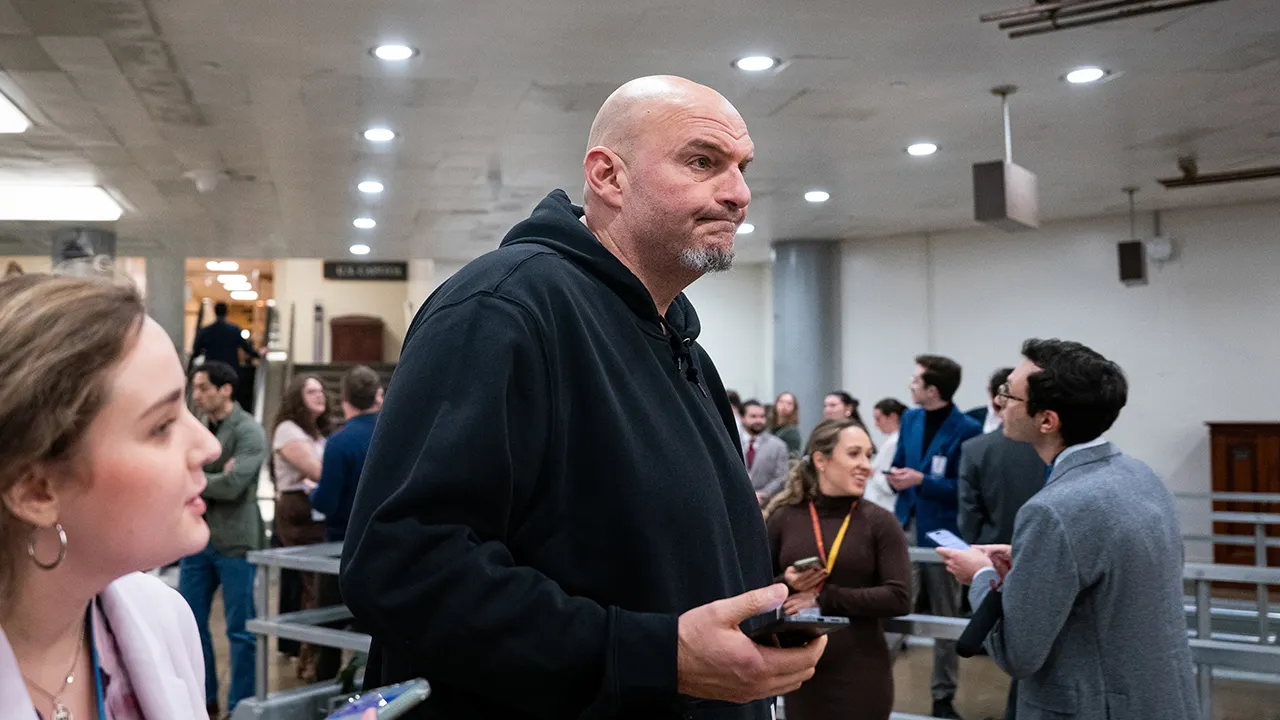
The strikes have drawn strong bipartisan support from many in Congress, including from some unexpected quarters. Senator John Fetterman (D-Pa.), known as one of Israel’s most vocal defenders among Democratic lawmakers, offered his full endorsement of the military action.
“President Trump has been willing to do what’s right and necessary to produce real peace in the region,” Fetterman wrote on social media, adding, “God bless the United States, our great military, and Israel.”
Republican Senator Lindsey Graham of South Carolina, a longtime advocate for assertive military posturing, praised Trump as a “man of peace” but also “evil’s worst nightmare.” In a series of social media posts, Graham expressed his support for the operation, suggesting it could herald transformative change in the Middle East.
“The biggest change in the Middle East in a thousand years is upon us,” Graham wrote, suggesting that Saudi-Israeli normalization efforts could accelerate if the Iranian regime falls. “If the ayatollah goes down, historic peace advances.”
Senate Armed Services Committee Chair Roger Wicker (R-Miss.) characterized the strikes as “pivotal and necessary” to protect American interests. In a statement, Wicker outlined what he understood to be the operation’s goals: preventing Iran’s nuclear weapons development, degrading their ballistic missile capabilities, and destroying their naval and terrorism infrastructure.
“The Iranian regime has never been weaker,” Wicker asserted, adding that without military intervention, “Iran’s ayatollahs would simply continue to grow their ability to threaten Americans and our interests, working in concert with the Chinese Communist Party, the Russian dictator Putin, North Korea, and other terrorist allies.”
Not all lawmakers have embraced the military action, however. Representative Thomas Massie (R-Ky.), a longtime critic of Trump, characterized the strikes as “acts of war unauthorized by Congress,” highlighting ongoing debates about presidential war powers and congressional oversight.
The military operation comes after U.S. officials reportedly briefed the congressional “Gang of Eight” earlier this week, though a formal authorization vote was not held. This procedure has reignited persistent questions about the legal framework for military interventions abroad.
The timing and scope of the strikes suggest a carefully coordinated effort between U.S. and Israeli forces, targeting what officials described as critical military infrastructure. Though battle damage assessments were still underway at the time of initial reports, officials expressed confidence in the operation’s precision and effectiveness.
Regional experts suggest this escalation represents a significant shift in Middle East power dynamics and could potentially alter Iran’s influence throughout the region, particularly in proxy conflicts in Lebanon, Syria, Yemen, and Iraq.
As the situation continues to develop, military analysts will be watching closely for Iranian responses, potential regional destabilization, and whether the strikes achieve their stated objectives of degrading Iran’s military capabilities and potentially facilitating regime change in Tehran.
Fact Checker
Verify the accuracy of this article using The Disinformation Commission analysis and real-time sources.

10 Comments
As a geopolitics observer, I’m skeptical of the long-term effectiveness of these types of kinetic operations. History suggests they often lead to further retaliation and instability. I wonder if there are alternative approaches the administration could pursue to address the security concerns.
You make a fair point. Solely relying on military force rarely leads to lasting solutions in complex regional conflicts. A more comprehensive strategy incorporating diplomacy, economic pressure, and conflict resolution efforts may be needed.
The strikes on Iran’s leadership and military infrastructure are a significant and risky move. I hope the administration has carefully weighed the potential consequences. Containing Iran’s regional influence is a valid concern, but this could backfire if not handled carefully.
This is a high-stakes gambit by the administration. While I understand the desire to address the perceived threat from Iran, I worry that these strikes could backfire and lead to unintended consequences. Diplomacy and restraint may be the wiser path to navigate this delicate situation.
I agree. Diplomacy should be the priority, even as the administration seeks to counter Iran’s destabilizing activities. Escalating the conflict militarily is risky and may not achieve the desired long-term outcomes.
Senator Fetterman’s endorsement is notable, given his reputation as a pro-Israel Democrat. The ‘Epic Fury’ operation appears to be a high-stakes gamble by the administration. I wonder if there are diplomatic efforts underway to reduce tensions and find a peaceful resolution.
You raise a good point. Diplomatic channels will be crucial to try to de-escalate the situation and avoid an all-out conflict.
Interesting to see bipartisan support for the airstrikes. This escalation of tensions in the Middle East is certainly concerning, but it seems the administration felt the threat was imminent. I’m curious to hear more details on the rationale and objectives behind this operation.
Yes, it’s a complex and delicate situation. I hope the strikes can achieve their stated goals without leading to further escalation or civilian casualties.
The Trump administration’s willingness to take decisive action is evident here. However, I’m concerned about the potential for this operation to spiral out of control and draw the U.S. into a broader conflict in the Middle East. Careful diplomacy and de-escalation will be crucial going forward.