


Listen to the article
The Trump administration has frozen over $10 billion in federal child care and social services funding to five Democrat-led states amid allegations that taxpayer dollars were improperly diverted to non-citizens, according to a report by The New York Post.
The Department of Health and Human Services (HHS) has halted funding from three major programs: the Child Care Development Fund (CCDF), the Temporary Assistance for Needy Families (TANF) program, and the Social Services Block Grant. The affected states include California, Colorado, Illinois, Minnesota, and New York.
The funding freeze encompasses more than $7.3 billion in TANF funding, nearly $2.4 billion from the CCDF, and an additional $869 million from the Social Services Block Grant. Officials reportedly notified state authorities on Monday through letters citing concerns about benefits being improperly directed to non-U.S. citizens.
This action follows a 2019 audit by the HHS Office of Inspector General that found New York State had improperly claimed $24.7 million in federal reimbursement for child care subsidies paid to New York City that did not comply with program rules. The audit attributed the overbilling to system errors and oversight failures rather than criminal fraud. State officials had agreed to refund the money and implement corrective controls.
The funding freeze has drawn sharp criticism from Democrats in the affected states. New York Senator Kirsten Gillibrand accused the administration of political retaliation, calling the action “immoral and indefensible.”
“Trump is threatening to freeze child care funding in New York and targeting our children for political retribution,” Gillibrand wrote on social media platform X. “I’m demanding the administration abandon any plans to freeze this funding and stop hurting New York families.”
In a separate statement, Gillibrand added, “My faith guides my life and public service. It’s our job to serve the people most in need and most at risk – no matter what state they live in or what political party their family or elected representatives belong to. To use the power of the government to harm the neediest Americans is immoral and indefensible.”
The funding freeze comes amid increased scrutiny of welfare programs, particularly in Minnesota, where a massive fraud scandal has been unfolding. The New York Post previously reported that in December, HHS sent letters to Minnesota Governor Tim Walz and Minneapolis Mayor Jacob Frey seeking information on whether billions in taxpayer funds may have unlawfully helped “fuel illegal and mass migration.”
Minnesota’s fraud scandal has resulted in charges against more than 90 people, primarily from the state’s large Somali community, in what federal officials have described as the nation’s largest COVID-era fraud scheme. The U.S. attorney in Minnesota has estimated that the scope of the fraud could exceed $1 billion and potentially reach as high as $9 billion.
Prosecutors allege that some defendants who have already pleaded guilty used fraudulently obtained funds to purchase luxury cars, real estate, jewelry, and international vacations. Some money was reportedly sent overseas, with authorities investigating possible links to terrorist organizations.
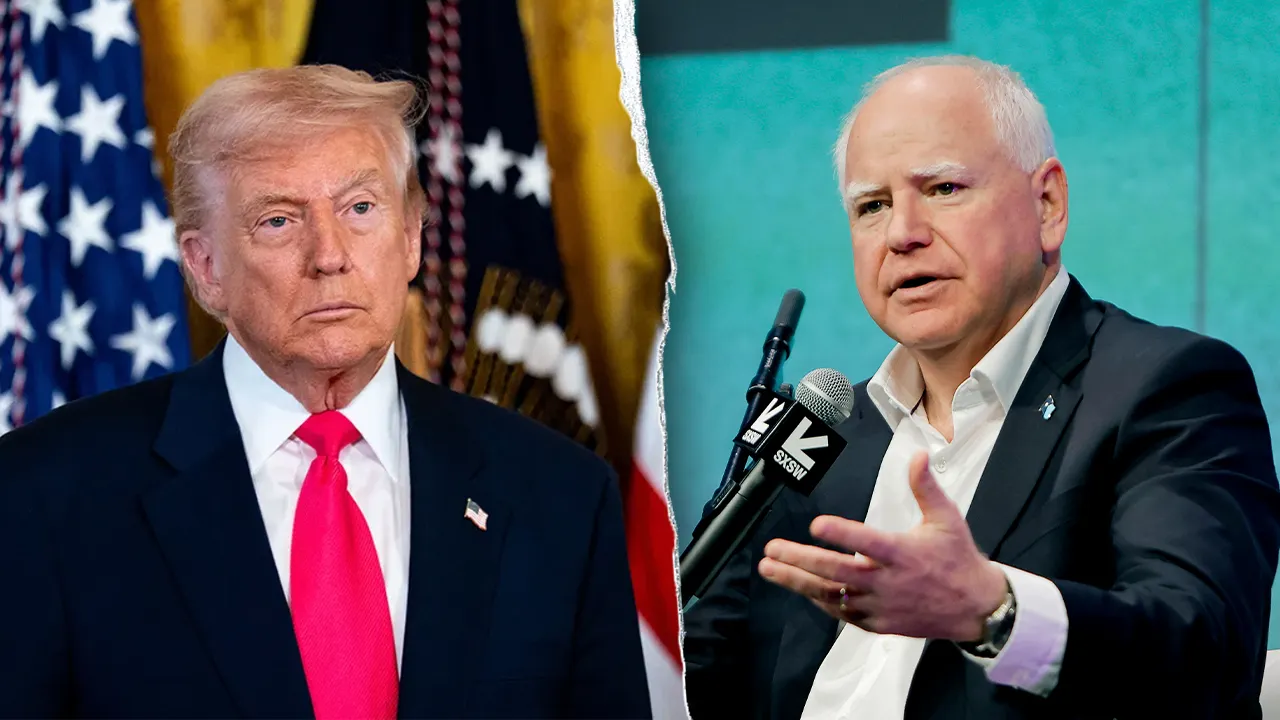
On the same day as the funding freeze announcement, Minnesota Governor Tim Walz announced he was dropping his bid for a third term amid growing criticism over his handling of the state’s welfare assistance fraud scandal. President Trump addressed Walz’s announcement on his Truth Social platform, claiming the governor was caught “stealing Tens of Billions of Taxpayer Dollars” along with others.
The funding freeze highlights the ongoing tension between federal and state authorities over the management of social welfare programs and immigration policies. While administration officials cite fraud prevention as the motivation, critics argue the action will harm vulnerable families who rely on these programs for essential support.
According to Pew Research Center data, an estimated 130,000 undocumented migrants were living in Minnesota as of 2023—about 40,000 more than in 2019 and roughly 2% of the state’s population. The state’s Somali diaspora exceeds 100,000 people, with most concentrated in the Minneapolis–St. Paul area.
Fact Checker
Verify the accuracy of this article using The Disinformation Commission analysis and real-time sources.

11 Comments
This is a complex situation with valid concerns on both sides. Proper oversight is necessary, but we must also ensure access to critical social services for all eligible individuals, regardless of citizenship status. I hope a thoughtful, fact-based approach can lead to an equitable resolution.
This is a delicate issue that requires nuance and careful consideration. While preventing fraud is important, we must also be mindful of the potential human impact on vulnerable populations who rely on these funds. I hope a balanced solution can be found that upholds the law while still supporting those in need.
Suspending over $10 billion in critical funding is a significant move. I’ll be interested to see the data and evidence behind the allegations of improper benefit distribution. Ensuring accountability is important, but not at the expense of depriving essential services from those who need them most.
I appreciate the effort to ensure proper use of taxpayer funds, but we must be cautious about unfairly restricting access to essential services. The potential human impact on families and children is concerning. I hope a balanced solution can be found that upholds the law while still supporting the most vulnerable in our communities.
This is a complex issue with valid concerns on both sides. While protecting taxpayer funds is reasonable, we must be careful not to unfairly penalize families and children who rely on these vital social services. I hope a balanced approach can be found that upholds the law while still supporting the most vulnerable.
This is a complex issue that deserves careful consideration. While protecting taxpayer funds is important, we must also ensure access to critical social services for all eligible individuals, regardless of citizenship status. I hope a balanced solution can be found that upholds the law while preserving vital support for families and children in need.
I agree, finding the right balance is key. Any actions should be guided by facts, not politics, to ensure the most vulnerable are not unfairly penalized.
This seems like a politically charged issue. While preventing fraud is reasonable, I worry about the human impact on families and children who rely on these funds. I hope a solution can be found that upholds the law while still supporting the most vulnerable in our communities.
Allegations of misuse of funds are concerning, but we must ensure any actions do not disproportionately harm the intended beneficiaries of these programs. I hope a thorough and objective review can identify the facts and lead to a fair resolution that preserves access to essential services.
Interesting development. I’m curious to learn more about the specific concerns raised and the potential impacts on these states’ budgets and social programs. Proper oversight is important, but we must be cautious about unfairly restricting access to essential services.
Yes, the details and rationale behind this decision will be important to evaluate. Transparency and objective analysis will be crucial in finding an equitable resolution.