


Listen to the article
A federal judge ruled Thursday that Venezuelan men deported by the Trump administration to El Salvador must be returned to the United States, citing due process violations in their removal.
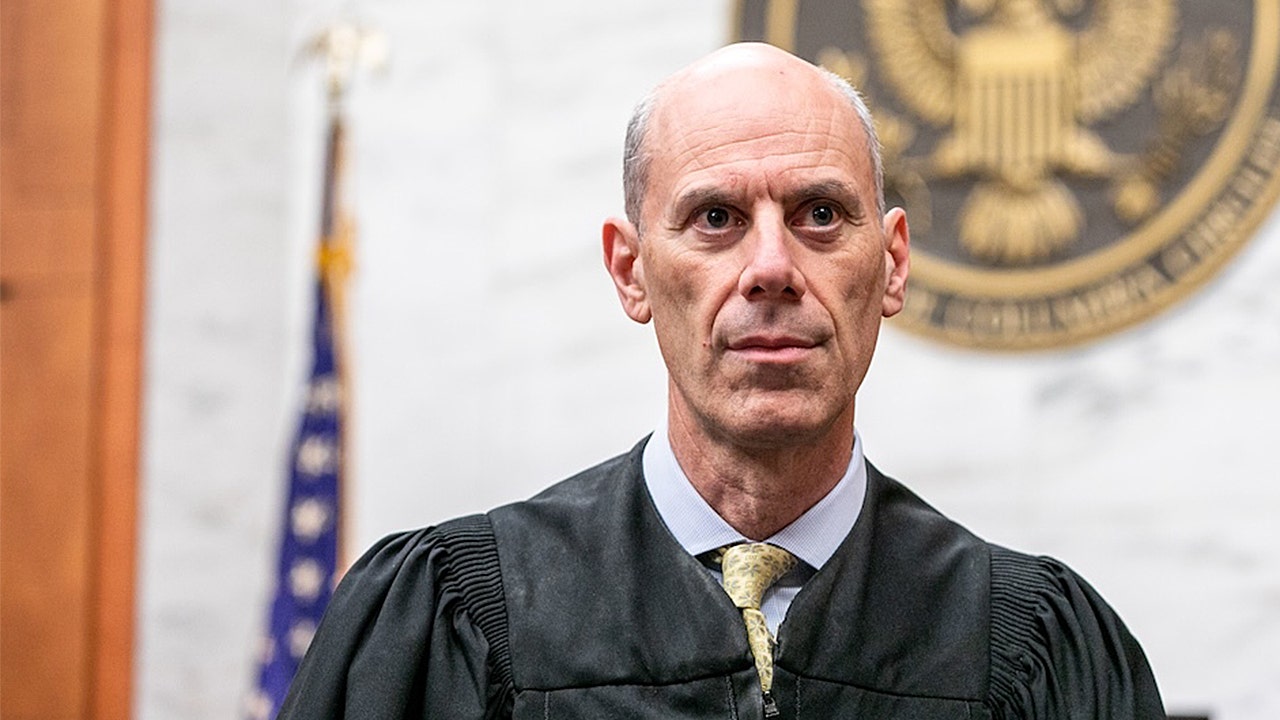
U.S. District Judge James Boasberg issued the order following a case that has drawn significant attention across immigration enforcement and international relations circles. The deportation involved 252 suspected Venezuelan nationals who were allegedly members of the notorious Tren de Aragua gang. They were sent to El Salvador’s CECOT prison in early 2023.
Department of Justice attorneys had already indicated to Judge Boasberg on Monday that returning over 100 Venezuelans to the U.S. for immigration hearings would be preferable to conducting remote hearings from locations outside American jurisdiction.
The case highlights ongoing tensions in U.S. immigration policy, particularly regarding suspected gang members and the proper legal procedures for deportation. Tren de Aragua, originally from Venezuela, has gained notoriety as one of Latin America’s most dangerous transnational criminal organizations. The gang has expanded its operations across South America and reportedly into parts of the United States in recent years.
Immigration advocates have criticized the original deportations, arguing that mass removals without individual hearings violate fundamental rights guaranteed under U.S. law. The administration’s decision to deport the individuals to El Salvador rather than Venezuela raised additional questions about diplomatic arrangements between the countries involved.
El Salvador’s CECOT prison, where the deportees were sent, has itself been a subject of controversy. Under President Nayib Bukele, El Salvador has constructed massive detention facilities as part of an aggressive crackdown on gang violence. While popular domestically, these facilities have drawn criticism from human rights organizations for alleged overcrowding and harsh conditions.
The judge’s ruling represents a significant rebuke to the previous administration’s immigration enforcement tactics. Immigration policy experts note that the case illustrates the ongoing legal challenges facing executive branch attempts to expedite deportations, particularly when dealing with individuals from countries with which the U.S. has complex diplomatic relations.
Venezuela’s ongoing political and economic crisis has driven millions of its citizens to flee the country in recent years, creating one of the world’s largest displacement crises. Many Venezuelans have sought asylum in the United States, creating policy challenges for multiple administrations regarding how to process and potentially deport those deemed inadmissible.
The judge’s order will likely create logistical challenges for immigration authorities who must now locate and transport the deported individuals back to the United States. It remains unclear how cooperation between U.S., Venezuelan, and Salvadoran authorities will function in this unusual circumstance.
Immigration policy analysts suggest this case may influence how future administrations approach deportations, particularly in cases involving suspected gang members where balancing national security concerns with due process requirements becomes especially contentious.
The ruling comes amid broader debates about immigration policy in the United States, including asylum processing at the southern border and the treatment of migrants in detention facilities. Legal experts note that this case underscores the judiciary’s willingness to intervene when constitutional rights appear to have been violated during immigration enforcement actions.
Implementation of the judge’s order will be closely watched by immigration advocates, law enforcement agencies, and policymakers as it unfolds in the coming weeks.
Fact Checker
Verify the accuracy of this article using The Disinformation Commission analysis and real-time sources.

7 Comments
The Tren de Aragua gang is clearly a major threat, but the government must follow proper legal procedures when deporting individuals. This case underscores the nuances of immigration enforcement.
This case highlights the challenges of dealing with transnational criminal organizations like Tren de Aragua. Coordinating enforcement across borders is critical but must be done lawfully.
It’s good to see the judge order the return of the deported Venezuelans. Ensuring fair legal proceedings is essential, even for suspected gang members. This is a complex issue without easy answers.
You make a fair point. Upholding the rule of law is vital, even in cases involving alleged criminals. It will be interesting to see how this case unfolds going forward.
The Tren de Aragua gang is clearly a serious threat, but the legal process for deporting suspected members seems to have been flawed. Upholding due process is crucial, even for alleged criminals.
I agree. The government needs to strike a balance between public safety and individual rights. Deporting people without proper hearings sets a dangerous precedent.
This is a complex case with implications for immigration policy and international relations. I’m curious to see how the courts address the due process concerns and the deportation procedures involved.