


Listen to the article
President Donald Trump sparked confusion this week with claims about childhood vaccination changes following his administration’s significant overhaul of federal immunization guidelines.
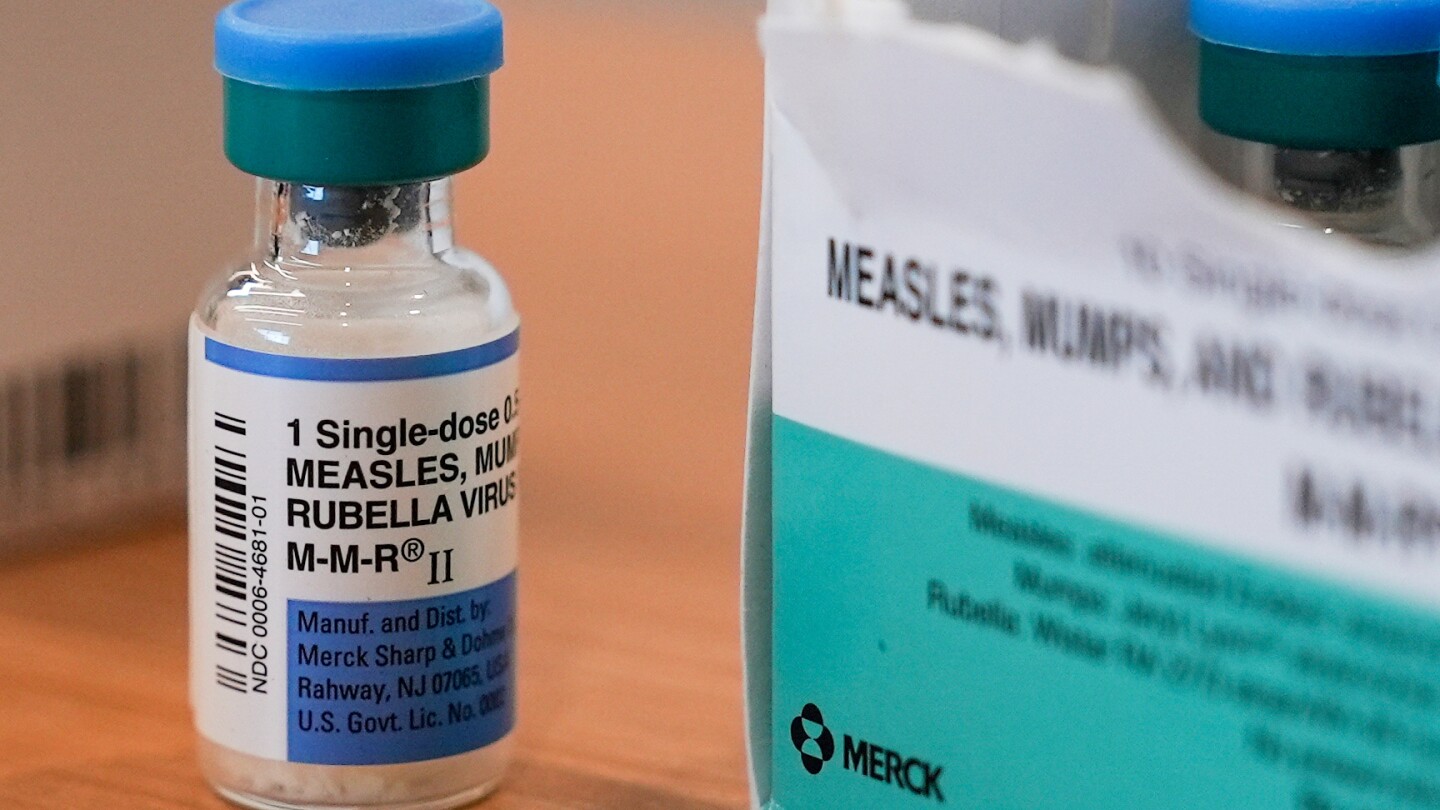
On Monday, the Trump administration made the unprecedented move of reducing the number of vaccines routinely recommended for all American children. The revised guidelines now categorize several previously standard immunizations as only necessary for at-risk children or subject to “shared decision-making” between parents and healthcare providers.
The modified schedule maintains vaccines against 11 diseases in the universal recommendation category, while others have been moved to separate classifications. This policy shift represents a major departure from decades of established vaccination protocol in the United States.
In response to the changes, Trump took to social media with claims that “America will no longer require 72 ‘jabs'” for children. He shared a graphic comparing U.S. vaccination practices with those of an unspecified “European country” that reportedly administered only 11 “injections.”
However, these statements contain several inaccuracies that health experts are quickly correcting. Prior to the new guidelines, the government’s childhood vaccination schedule recommended protection against 18 diseases from birth through age 18, not 72 as Trump suggested. The actual number of injections varied based on factors such as vaccine brand, combination shots, and a child’s age at first vaccination, but typically totaled approximately three dozen shots over 18 years – not including annual flu vaccines or COVID-19 immunizations.
Under the new guidelines, children receiving only the universally recommended vaccinations would receive about 23 injections. These include protection against diseases like measles, whooping cough, polio, chickenpox, and human papillomavirus (HPV).
Medical experts have expressed concern about the administration’s decision, noting there’s no new scientific evidence supporting these changes. Major medical organizations, including the American Academy of Pediatrics and the American Medical Association, have announced they will continue advocating for the previous, more comprehensive vaccination schedule.
These organizations warn that conflicting guidance could create confusion among parents and healthcare providers, potentially leading to decreased vaccination rates and leaving more children vulnerable to preventable illnesses or death.
It’s also important to clarify that, contrary to Trump’s assertion, 72 injections were never “required” in the United States. While states do mandate certain vaccinations for school attendance, these requirements have always been narrower than the full federal recommendations. Additionally, most states offer various exemptions for medical, religious, or philosophical reasons, allowing families to opt out of vaccinations.
The debate around vaccination policy highlights the ongoing tension between public health recommendations based on scientific consensus and political decision-making. Public health experts emphasize that vaccination schedules are typically developed through rigorous scientific review processes that consider disease risks, vaccine effectiveness, and safety data.
The changes come amid growing vaccine hesitancy in some communities, a trend that public health officials have identified as a significant concern. The World Health Organization has previously listed vaccine hesitancy among its top ten threats to global health.
As the new guidelines roll out, healthcare providers are left navigating two different sets of recommendations – those from the administration and those from leading medical organizations that continue to support the previous, more comprehensive vaccination schedule.
Parents seeking guidance on childhood vaccinations are advised to consult with their healthcare providers to make informed decisions based on their children’s specific health needs and risk factors.
Fact Checker
Verify the accuracy of this article using The Disinformation Commission analysis and real-time sources.

9 Comments
Vaccination policy should be based on scientific evidence, not political rhetoric. I hope the administration works closely with healthcare providers to make informed decisions that prioritize public health and protect vulnerable populations.
Absolutely. Vaccinations have been one of our most effective public health measures, saving millions of lives. Any changes should be approached with great care and transparency.
This is a complex and nuanced topic that requires thoughtful, evidence-based policymaking. I hope the administration engages closely with the medical community to develop an approach that balances individual needs with broader public health considerations.
As a parent, I’m troubled by the potential for confusion and misinformation around this issue. Vaccination decisions should be made in consultation with medical professionals, not through political grandstanding.
I agree. Vaccination policies should be driven by data, not political agendas. Ensuring the health and safety of our children should be the top priority.
While I understand the desire for flexibility, the proposed changes seem to contradict decades of scientific consensus on childhood immunization schedules. I worry this could have serious public health consequences if not handled extremely carefully.
Vaccinations are a critical tool in preventing the spread of dangerous diseases. I’m concerned that these changes could erode public trust and lead to lower vaccination rates, which would put many children at risk.
You raise a valid point. Maintaining high vaccination coverage is essential for herd immunity and protecting those who cannot be vaccinated. I hope the administration provides clear, evidence-based guidance on this issue.
This is a complex and sensitive topic. While some flexibility in vaccination schedules may be warranted, we should rely on medical consensus and expert guidance to ensure the safety and health of our children.