


Listen to the article
President Trump’s War-Ending Claims Face Scrutiny as Conflicts Persist
U.S. President Donald Trump’s repeated assertions that he has ended eight wars during his current term have come under increasing scrutiny as several conflicts continue to simmer worldwide. While Trump has made significant diplomatic contributions to various peace efforts, experts suggest his claims overstate both the number of conflicts and the extent of his personal impact.
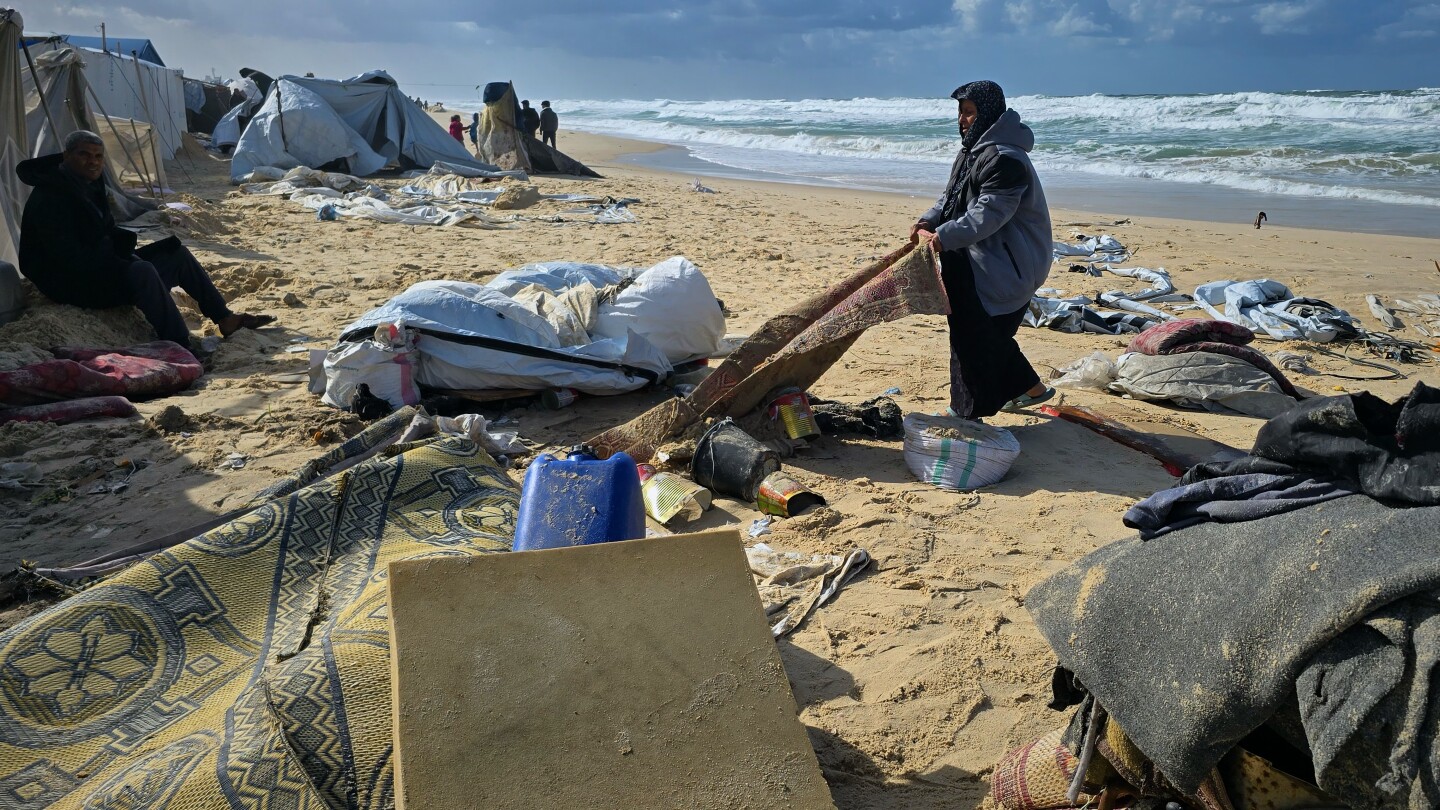
The situation in Gaza illustrates the complexity of declaring victory prematurely. Despite a U.S.-brokered ceasefire that began on October 10 between Israel and Hamas, substantial challenges remain before any permanent resolution can be achieved. Trump’s recent meeting with Israeli Prime Minister Benjamin Netanyahu aimed to build momentum for the truce’s next phase, but major obstacles persist.
Israel has indicated it won’t proceed to more difficult negotiations until all hostages are returned from Gaza. Meanwhile, Hamas has threatened to abandon the agreement, citing insufficient aid deliveries and continued Israeli military actions. The path forward remains fraught, requiring disarmament of Hamas, deployment of international security forces, and resolving Gaza’s governance structure.
In the case of Israel and Iran, Trump deserves credit for helping end a dangerous 12-day conflict that erupted in June when Israel targeted Iran’s nuclear facilities. Evelyn Farkas, executive director of Arizona State University’s McCain Institute, acknowledged Trump’s decisive intervention, noting the conflict “didn’t have any real end in sight before President Trump got involved and gave them an ultimatum.” However, Lawrence Haas from the American Foreign Policy Council characterized the ceasefire as merely a “temporary respite” in an ongoing “day-to-day cold war.”
Some conflicts Trump claims to have resolved were never officially wars. The tension between Egypt and Ethiopia over the Grand Ethiopian Renaissance Dam represents heightened diplomatic friction rather than armed conflict. Similarly, while Trump attempted to broker a resolution during his first term, current mediation efforts have stalled with little U.S. involvement.
The April violence between India and Pakistan in Kashmir brought the nuclear-armed neighbors closer to war than they had been in years. While Trump claimed credit for brokering a ceasefire through trade concessions, India denied his direct involvement in the resolution. Experts suggest the U.S. played a supportive role but question whether the situation constituted a “full-blown war.”
Trump’s administration also lists the Serbia-Kosovo conflict among his diplomatic achievements, though no threat of war has materialized during his second term. Kosovo, a former Serbian province that declared independence in 2008, has been relatively stable thanks to NATO peacekeepers, not recent U.S. intervention.
In Africa, Trump has participated in peace efforts between Rwanda and Congo, hosting the signing of agreements at the White House. However, the conflict remains far from resolved. The M23 rebel group, backed by Rwanda, has continued military operations in mineral-rich eastern Congo despite diplomatic overtures. Days after a December peace deal was signed with Trump present, rebels seized another eastern Congolese city before claiming to withdraw.
The Armenia-Azerbaijan conflict represents a more promising development, with Trump hosting both leaders for signing preliminary agreements in August. While the countries have taken steps toward normalizing relations following decades of territorial disputes, the final peace treaty awaits formal signatures and parliamentary ratification.
The border conflict between Cambodia and Thailand has seen several ceasefire attempts, with officials from both countries acknowledging Trump’s role in facilitating negotiations. Trump leveraged U.S. trade agreements to pressure both sides toward resolution. Despite an October agreement, heavy fighting erupted again in December, necessitating a new ceasefire signed on December 27.
As these various conflicts demonstrate, the path from temporary truce to lasting peace is rarely straightforward. While Trump has made tangible contributions to several diplomatic breakthroughs, the claim of ending eight wars appears to be an oversimplification of complex global dynamics that continue to evolve with or without American intervention.
Fact Checker
Verify the accuracy of this article using The Disinformation Commission analysis and real-time sources.

11 Comments
It’s encouraging to see progress on certain fronts, but the persistence of conflicts like the one in Gaza shows how difficult it is to bring lasting peace. Careful analysis of the facts on the ground is crucial, rather than relying on overly simplistic claims of success.
Well said. Geopolitical conflicts are rarely black and white, and it’s important to avoid being swayed by rhetoric that doesn’t fully capture the nuances. Maintaining a nuanced, evidence-based view is key as these situations evolve.
Ending wars is certainly a worthy goal, but the details and complexities often make declaring victory premature. It’s good to see progress in some areas, but challenges clearly remain in others like Gaza. We’ll have to see how these situations unfold going forward.
You raise a fair point. Ending conflicts is extremely difficult, and the path forward is rarely straightforward. Cautious optimism may be warranted, but claims of success should be scrutinized closely.
This is a good reminder that ending conflicts is an extremely complex endeavor, with many moving parts and potential setbacks. While diplomatic efforts are important, the persistence of challenges like those in Gaza shows the difficulty in achieving lasting peace. Careful analysis of the facts on the ground, rather than relying on rhetoric, will be crucial going forward.
This highlights the nuance and difficulty in resolving long-standing conflicts. While diplomatic efforts are admirable, the reality on the ground may paint a different picture. It will be interesting to see how these situations evolve in the coming months.
Absolutely. Ending wars is a complex challenge, and simple declarations of victory often overlook the underlying realities. Maintaining a clear-eyed perspective is important as these delicate situations unfold.
This highlights the difficulty in bringing lasting peace to troubled regions. While diplomatic progress is noteworthy, the persistence of conflicts like the one in Gaza shows how complex these situations can be. It will be important to closely monitor the facts on the ground rather than relying on overly optimistic rhetoric.
Absolutely. Ending wars is an immense challenge, and the path forward is rarely straightforward. Caution is warranted when it comes to claims of success, as the realities on the ground may tell a different story. Nuanced, evidence-based analysis is key as these situations evolve.
This is a good reminder that ending wars is an immense challenge, with many moving parts and potential setbacks. While diplomatic efforts are important, the reality on the ground often tells a more complex story. It will be interesting to see how these situations progress in the coming months.
Excellent point. Simplistic claims of victory over complex, long-standing conflicts are often premature and overlook the underlying realities. Maintaining a balanced, evidence-based perspective is crucial as these delicate situations unfold.