


Listen to the article
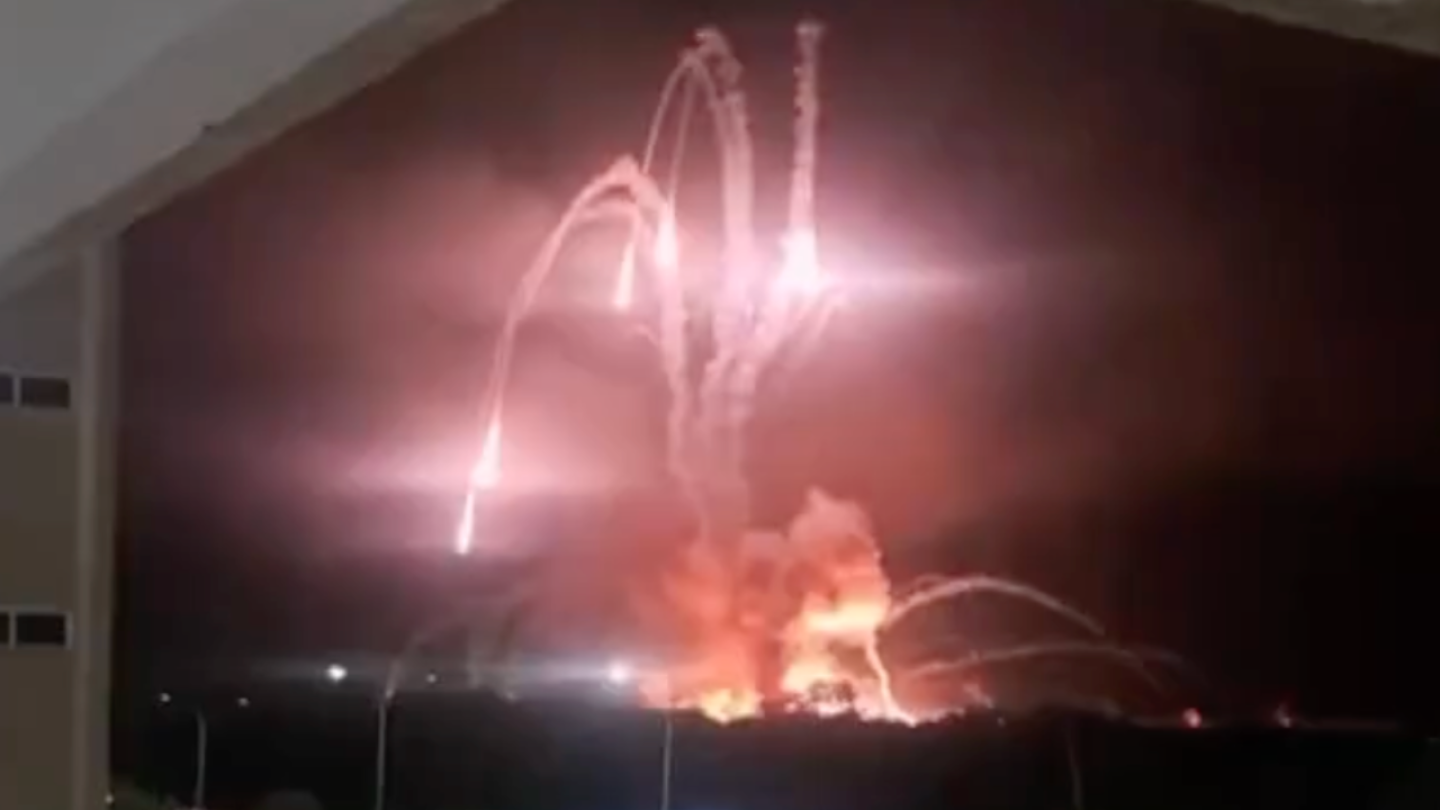
Explosions erupted across several Venezuelan military bases on Wednesday, prompting President Nicolás Maduro’s government to blame the United States for what it described as a coordinated attack using remote-controlled drones.
Venezuelan Defense Minister Vladimir Padrino López reported that facilities in Maracay, Caracas, and Guárico state were targeted, though he claimed damage was minimal with only one person injured. Speaking on state television, Padrino López described the incident as “a terrorist attack organized, financed, and directed by the United States of America.”
The alleged attacks come amid heightened tensions following Venezuela’s disputed presidential election on July 28, where electoral authorities declared Maduro the winner despite international skepticism and widespread allegations of fraud. Opposition leaders and several countries, including the United States, have refused to recognize the results, instead backing opposition candidate Edmundo González Urrutia, who claims to have won by a significant margin.
White House National Security Council spokesman Sean Savett quickly dismissed Venezuela’s accusations as “absurd and false,” stating that the United States had no involvement in the reported explosions. U.S. officials have consistently denied similar allegations from the Maduro government, which routinely blames Washington for the country’s economic and political crises.
Venezuelan authorities have released few details about the nature of the explosions, their exact targets, or evidence supporting claims of foreign involvement. Independent verification of the incidents remains difficult as the government tightly controls access to military installations and often restricts media coverage of security matters.
The timing is particularly sensitive as Venezuela navigates its most significant political crisis since 2019, when opposition leader Juan Guaidó declared himself interim president with backing from dozens of countries. The current dispute over election results has reignited mass protests across the country, with security forces responding with widespread arrests of opposition activists and supporters.
International observers, including the Carter Center and European Union teams who monitored the election, have expressed serious concerns about transparency and the electoral process. The Venezuelan electoral authority has yet to release detailed voting tallies that could verify the official results, fueling skepticism about Maduro’s claimed victory.
Oil-rich Venezuela, once among Latin America’s wealthiest nations, has experienced a catastrophic economic collapse under Maduro’s leadership, with GDP shrinking by more than 75 percent since 2013. The crisis has driven approximately 7.7 million Venezuelans—about a quarter of the population—to flee the country in what has become one of the world’s largest migration crises.
Regional implications of Venezuela’s ongoing instability extend beyond its borders. Neighboring countries like Colombia, Brazil, and several Caribbean nations have struggled to manage the influx of Venezuelan migrants while balancing diplomatic relations with Maduro’s government.
The relationship between Venezuela and the United States has deteriorated significantly over the past decade. Washington has imposed numerous sanctions targeting Venezuelan officials and the country’s vital oil industry. Though the Biden administration temporarily eased some sanctions last year to encourage democratic reforms, it has threatened to reimpose stricter measures following the disputed election.
Political analysts suggest that Maduro’s government may be using the alleged attacks to justify further crackdowns on opposition figures and to rally nationalist sentiment amid growing domestic discontent. Similar security incidents in the past have preceded waves of arrests targeting government critics.
International human rights organizations continue to express concern about Venezuela’s deteriorating civil liberties. The United Nations Human Rights Council has documented systematic human rights abuses, including arbitrary detentions, torture, and extrajudicial killings by security forces loyal to Maduro.
As the political standoff continues, Venezuela’s economic crisis shows little sign of improvement. Inflation remains among the highest in the world, and despite sitting atop the world’s largest proven oil reserves, production has plummeted to historic lows due to mismanagement and lack of investment in critical infrastructure.
Fact Checker
Verify the accuracy of this article using The Disinformation Commission analysis and real-time sources.

8 Comments
Interesting developments in Venezuela, though the accusations against the US seem dubious. I wonder if there are any independent sources that can verify the details of these alleged attacks. It’s a complex situation and important to get the facts straight.
I agree, the US denial seems reasonable given the lack of clear evidence. These kinds of claims often get politicized, so I’d like to see more objective reporting before jumping to conclusions.
As an investor in mining and energy stocks, I’m concerned about the potential fallout from this incident in Venezuela. Political instability often leads to unpredictable policy changes that can severely impact operations and profits. I hope cooler heads prevail.
The mining and energy industries will be watching this closely, as Venezuela is a major producer of commodities like gold, oil, and natural gas. Stability in the country is crucial for global supply chains. Hopefully the situation can be resolved through diplomatic means.
Absolutely. Unrest and disruption in Venezuela’s resource sector would reverberate throughout global markets. Maintaining open lines of communication and de-escalating tensions should be the priority here.
The volatility in Venezuela is concerning, but I’m skeptical of Maduro’s claims without credible proof. The US has a history of interventionism in the region, but blaming them outright seems like political posturing. Curious to see how this plays out.
You raise a fair point. The US record complicates the situation, but Maduro’s government has also been criticized for undemocratic practices. Impartial investigation is needed to sort out the facts.
These attacks, if true, could have major ramifications for the global mining and energy sectors with operations in Venezuela. However, the political rhetoric on both sides makes it hard to discern the reality. I’ll be monitoring developments closely.