


Listen to the article
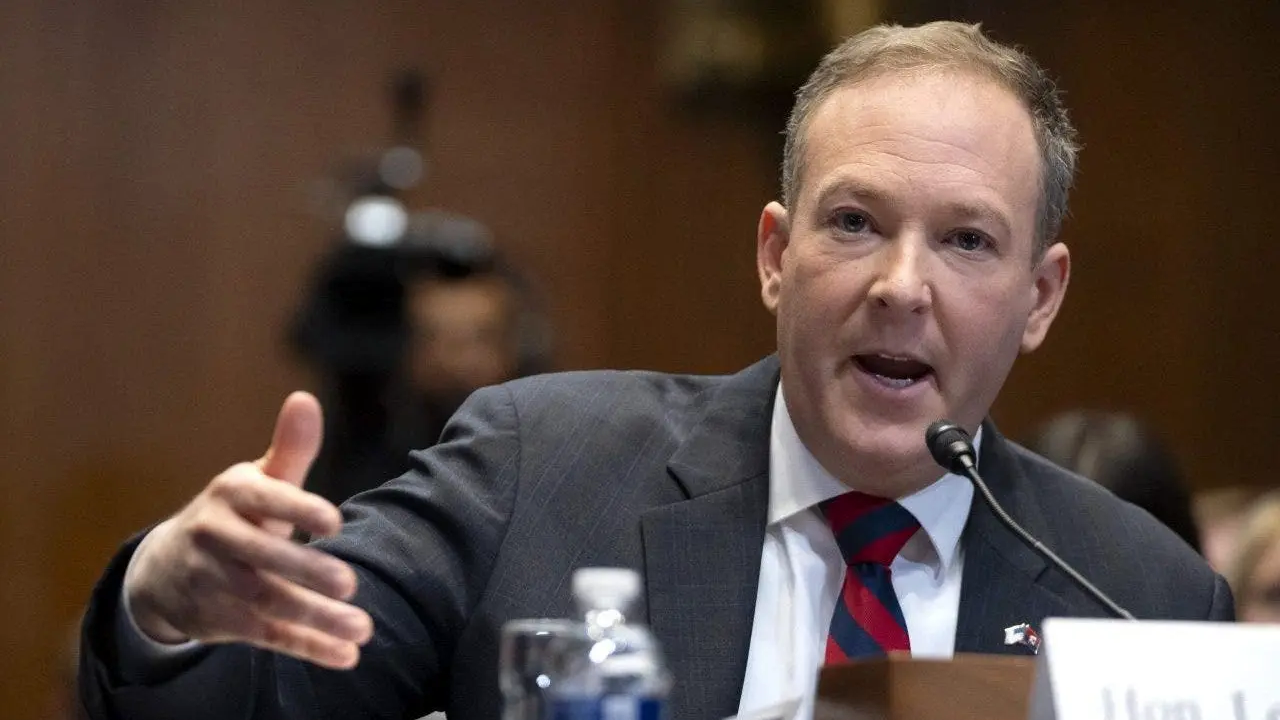
EPA Administrator Lee Zeldin announced Monday a significant overhaul of the Waters of the United States (WOTUS) rule, addressing years of controversy over federal regulation of America’s waterways and wetlands.
The revamped rule aims to provide clearer guidelines for landowners while maintaining environmental protections, following a case that saw an Idaho couple facing potential daily fines of $33,000 for building a home on what the EPA classified as protected wetland.
“When it comes to the definition of ‘waters of the United States,’ EPA has an important responsibility to protect water resources while setting clear and practical rules of the road that accelerate economic growth and opportunity,” Zeldin said in a statement.
WOTUS, originally drafted during the Nixon administration under the Clean Water Act, was designed to regulate wetlands, define “navigable waters,” and protect public health. However, the regulation has undergone significant changes across multiple administrations, creating uncertainty for property owners, farmers, and energy producers.
The Obama administration substantially broadened WOTUS definitions before the Trump administration scaled back those regulations. The Biden administration subsequently expanded federal jurisdiction again to include ephemeral streams and areas prone to collecting water that could have a “significant nexus” to navigable water.
The EPA said the new rule draws on a Supreme Court decision favorable to landowners and delivers on the Trump administration’s promise to provide regulatory clarity while protecting America’s waterways. Developed in coordination with Assistant Secretary of the Army for Civil Works Adam Telle, the rule aims to provide economic relief for farmers, ranchers, and energy producers who have operated under regulatory uncertainty for years.
Following nine public “listening sessions,” the EPA determined that Americans wanted WOTUS to have clear, commonsense parameters balancing environmental stewardship with the ability to use land productively. The new rule redefines regulatory terms like “relatively permanent” and “tributary” to align with the original Nixon-era intent.
Under the updated regulations, small tributaries will only fall under federal jurisdiction if they maintain a consistent flow to navigable waters. Similarly, wetlands must hold surface water for a specific period annually to qualify for EPA oversight. The rule also includes new exclusions for groundwater, runoff, and previously cropped land, while promoting the rights of state, tribal, and local governments to make permitting decisions in their jurisdictions.
“Democrat administrations have weaponized the definition of navigable waters to seize more power from American farmers, landowners, entrepreneurs, and families,” Zeldin stated. “No longer should America’s landowners be forced to spend precious money hiring an attorney or consultant just to tell them whether a Water of the United States is on their property.”
The regulatory battle came to national attention through the case of Michael and Chantell Sackett, who obtained local building permits for a home near Idaho’s Priest Lake. When construction crews began spreading gravel on what was described as “soggy” land, the Obama-era EPA threatened them with nearly $33,000 in daily fines or potentially six-figure permitting costs for a process that reports suggested would ultimately be denied.
The Sacketts sued, and in 2023, the Supreme Court unanimously ruled in their favor, determining that only wetlands with “a continuous surface connection” to actual waters of the United States could be federally regulated. This decision prompted the Biden administration to narrow its interpretation of the rule, which the Trump administration has now further clarified.
Not everyone supports the change. Senate Minority Leader Chuck Schumer criticized the move, stating that “this ruling will mean more polluted water, and more destruction of wetlands.”
The revamped WOTUS rule represents one of the most significant environmental regulatory changes of the current administration, with far-reaching implications for property rights, agricultural practices, and water quality protection across the country.
Fact Checker
Verify the accuracy of this article using The Disinformation Commission analysis and real-time sources.

5 Comments
Interesting to see the EPA revisiting the WOTUS rule. While environmental protections are important, clear and practical guidelines are needed to avoid regulatory overreach and support economic growth. Curious to see how this new rule strikes the right balance.
The WOTUS rule has been a moving target, which creates uncertainty for landowners and businesses. I hope this revised approach can provide more clarity, while still upholding core environmental safeguards. Curious to see the details and how it’s implemented.
Regulating wetlands and waterways is challenging, as you need to balance environmental needs with private property rights and economic activity. This revised WOTUS rule seems aimed at finding a more workable compromise. Will be interesting to see the reaction from various interest groups.
This is a complex issue that has been hotly debated for years. I appreciate the EPA’s effort to provide clearer guidelines while maintaining protections. It will be important to get input from all stakeholders to ensure a fair and workable solution.
The EPA’s move to revamp the WOTUS rule is a significant development. While environmental protection is vital, overly broad regulations can stifle growth and create legal quagmires. I’m curious to see if this new approach can strike a better balance.