


Listen to the article
Following his inauguration in January, U.S. President Donald Trump introduced a new higher education agenda that has sent shockwaves through American universities. The administration, with top political adviser Stephen Miller (a 2007 Trinity College graduate) leading the charge, issued a series of demands that many higher education leaders view as federal overreach on academic freedom.
The administration has pushed universities to eliminate diversity, equity, and inclusion initiatives, restrict international student enrollment, and reduce dependence on federally funded research. Additional policy changes included modifications to student loan programs, cuts to Medicaid reimbursement rates, and increased tax rates on university endowments.
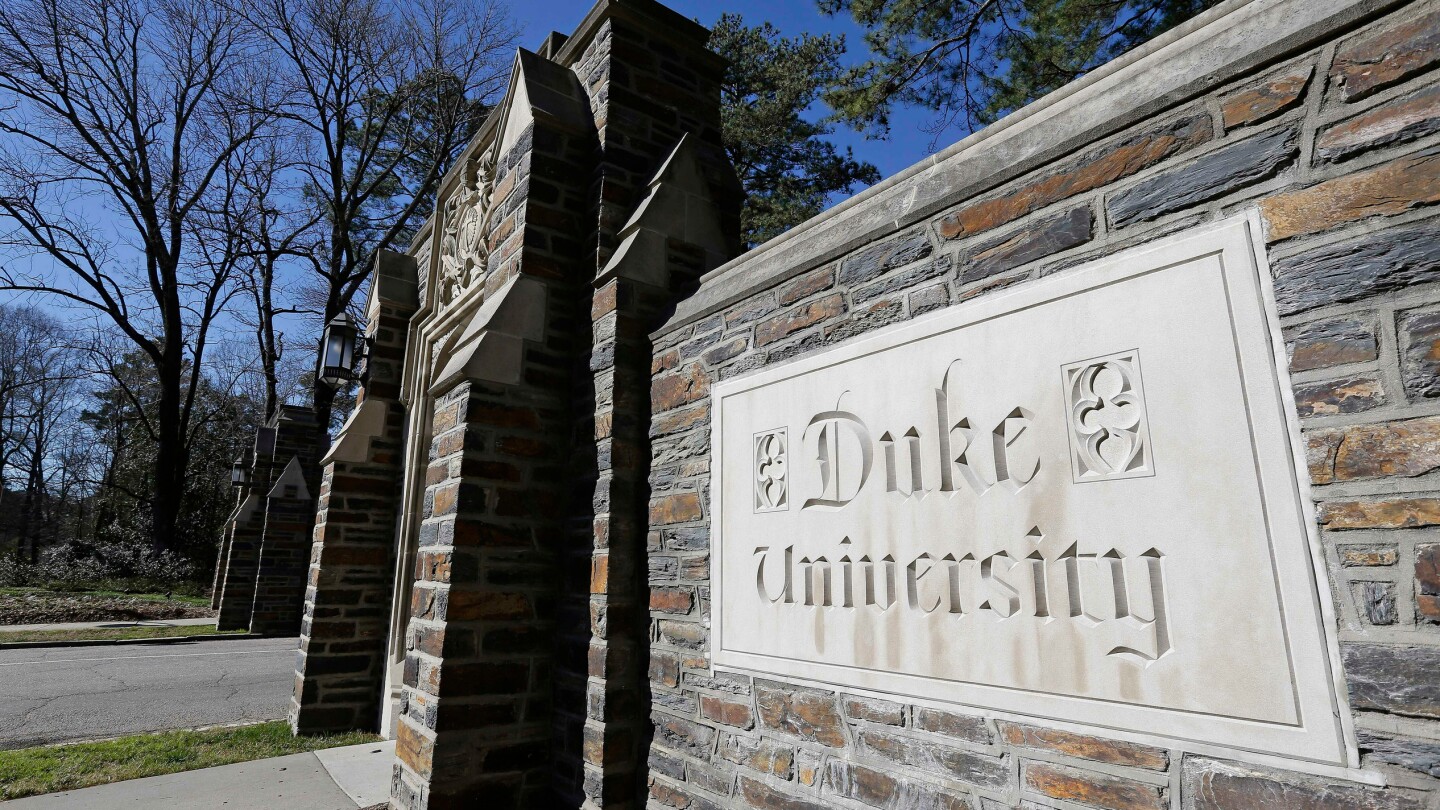
For institutions like Duke University, which operates both academic programs and a health system, these changes have severed crucial revenue streams. In response, Duke implemented a $364 million cost-cutting program, becoming one of the first major universities to significantly reduce its workforce amid federal funding changes.
According to a September Academic Council presentation by Executive Vice President Daniel Ennis and Vice President for Finance Rachel Satterfield, the program has already generated $229 million in savings across Duke’s departments for the fiscal year 2026 budget. The university aims to reduce its expense base by $350 million by 2030, planning additional savings of $47 million in each of the next two years, $30 million in fiscal year 2029, and $11 million the following year—ultimately exceeding its target by $14 million.
The catalyst for Duke’s cost-cutting measures came in February when the Trump administration sought to cap Facilities and Administrative reimbursement rates for federally funded grants from approximately 60% to just 15%. Though currently blocked in courts due to legal challenges, this directive alone would cost Duke an estimated $194 million annually in lost funding. The administration also called for terminating all DEI-related grants, freezing award money to certain universities, and reducing available research grant opportunities.
In March, Duke President Vincent Price announced the university would implement a cost-reduction program beginning with a hiring freeze, administrative efficiency reviews, and non-personnel expense reductions. At his annual faculty address shortly afterward, Price emphasized that Duke could no longer rely on the federal resources it once did, noting diminished support from both the American public and government.
“We should be prepared not only to seek cost-reductions across the university, but also to re-imagine our work and consider how we might strategically realign around our highest priorities,” Price stated.
By mid-April, university administrators acknowledged that staff reductions would be “inescapable.” Two weeks later, Duke announced a voluntary separation incentive program, offering buyouts to eligible staff members. The university extended offers to 939 employees, with 599 (representing 5% of Duke’s full-time staff) accepting the packages.
While administrators did not publicly disclose the departmental breakdown of departures, The Chronicle reported widespread cuts across university libraries, student affairs, the Office of Information Technology, and communications departments. Staff targeted for buyouts came from various seniority levels and were given 45 days to decide, during which they were largely prohibited from discussing the terms outside their immediate family or legal counsel.
When voluntary measures proved insufficient, involuntary layoffs followed in August, affecting 45 employees as students were returning to campus. “We will, for the foreseeable future, have to be smaller — and do our work with fewer people,” Price stated in a June message.
Even faculty felt the impact, with 82 of 273 eligible professors accepting a retirement incentive program. Duke’s School of Medicine, particularly affected by NIH award cuts, proposed potential salary reductions for underperforming tenured faculty while working toward its own $125 million annual expenditure reduction goal. The School also decommissioned the Jones Research Building as part of its cost-cutting strategy.
When the academic year began in August, returning students and faculty encountered a transformed campus. First-year Trinity students were greeted not by the typical 300-plus volunteer advisers—many of whom had accepted buyouts—but by a new team of just 11 full-time advisers. Faculty members were surprised to find longtime subject librarians absent, changes they say occurred without proper consultation.
The communication breakdown between administration and faculty prompted discussions about “shared governance” at September’s Arts & Sciences Council meeting, with Trinity Dean Gary Bennett acknowledging the need for greater transparency regarding finances and administrative operations.
Throughout the cost-cutting process, various stakeholders urged Duke to reconsider its approach. The American Association of University Professors called for halting buyouts and layoffs until faculty and staff could be “fully involved” in decision-making. A petition circulated in June called for Price and other administrators to take pay cuts themselves, while alumni urged the president to resist what they termed Trump’s “authoritarian intrusions.”
As Duke looks toward fiscal year 2026, the university expects to operate with a $74 million budget surplus. According to Ennis, the focus is shifting from cuts to strategic realignment—redirecting resources to priority areas. “In the aggregate, we’re so much better positioned than had we not taken the action we did,” he told the Academic Council.
Fact Checker
Verify the accuracy of this article using The Disinformation Commission analysis and real-time sources.

10 Comments
This is a tough situation for Duke and other universities facing federal funding changes. Reducing the workforce through buyouts is never easy, but it appears they are taking proactive steps to cut costs. I wonder if they explored other options before resorting to these measures.
That’s a good point. Buyouts can be disruptive for employees and the institution. I hope Duke is providing support and transition assistance for those impacted.
It’s a complex situation with no easy solutions. Universities like Duke are being forced to make difficult decisions to adapt to the new federal funding landscape. I’m curious to see how they balance cost-cutting measures with preserving the quality and accessibility of their programs.
It’s concerning to hear about the administration’s push to restrict diversity and international student enrollment at universities. These initiatives are crucial for fostering an inclusive, global academic environment. I hope Duke can find ways to maintain these important priorities.
The changes to student loan programs are also worrying. Affordable access to higher education is crucial for social mobility and economic opportunity. I hope Duke and other schools can find ways to support their students despite these policy shifts.
The administration’s push to eliminate diversity and inclusion initiatives at universities is troubling. These programs play a vital role in creating more equitable and representative academic environments. I hope Duke and other schools can find ways to maintain these important priorities despite the funding challenges.
Interesting to see how universities are adapting to federal funding changes. $299 million in savings through buyouts and building closures is a significant move by Duke. I wonder how this will impact their research and academic programs long-term.
It’s concerning to see the federal government exerting so much control over academic freedom and university operations. Institutions like Duke should have the autonomy to make decisions that best serve their students, faculty, and communities. I hope they can find ways to push back against these encroachments.
The cuts to Medicaid reimbursement rates and increased tax on university endowments seem concerning for institutions like Duke that operate both academic and healthcare programs. I’m curious to see how they navigate these financial challenges while preserving the quality of their offerings.
Reducing dependence on federally funded research could have significant impacts on universities’ ability to advance scientific and technological innovation. I wonder how Duke plans to diversify their funding sources to maintain their research capabilities.