


Listen to the article
The United States has reached an agreement with the Commonwealth of Dominica that could allow for the transfer of some asylum seekers arriving at U.S. borders to the small Caribbean nation, according to reports from The Associated Press.
Dominica’s Prime Minister Roosevelt Skerrit has described the arrangement as “one of the primary areas of collaboration” between the two governments. The agreement comes in the wake of partial visa limitations on Dominican nationals announced by the White House on December 16, which are set to take effect on January 1, 2026.
While confirming ongoing discussions with U.S. officials, Skerrit has declined to provide specific details about how many asylum seekers might be transferred to Dominica or when such transfers would begin. He emphasized that the talks have included “careful deliberations of the need to avoid receiving violent individuals or individuals who will compromise the security of Dominica,” highlighting concerns about maintaining public safety.
The Dominican government has been actively addressing the broader issue of U.S. travel restrictions, stating that it “continues its engagement with the United States Embassy in Bridgetown and the State Department in Washington” in efforts to reverse the White House decision. Officials have clarified that Dominican nationals with valid U.S. visas—including tourist, business, and student categories—can continue to travel to the United States and its territories as normal.
The reported agreement with Dominica appears to follow a pattern of similar arrangements the Trump administration has pursued with countries such as Belize and Paraguay. These efforts reflect a broader strategy to distribute responsibility for asylum seekers across multiple nations rather than concentrating it within the United States.
The plan has faced scrutiny from Dominica’s political opposition. Thomson Fontaine, leader of the main opposition party, has expressed concerns about the lack of transparency regarding implementation details. “The prime minister still has not told the Dominican public what exactly he has agreed to, in terms of the numbers of persons that are going to come to Dominica, where will they be housed, how will they be taken care of,” Fontaine told the AP.
These concerns carry particular weight given Dominica’s limited resources. With a population of approximately 72,000, the island nation faces significant questions about its capacity to absorb and support asylum seekers. Opposition figures have highlighted the potential strain on the country’s infrastructure, housing, and social services systems.
The agreement comes at a time when immigration policy remains a contentious issue in U.S. politics. The Trump administration has consistently sought arrangements with other countries to share in managing migration flows, reflecting its emphasis on reducing the number of asylum seekers entering the United States directly.
Immigration experts note that similar third-country agreements have faced implementation challenges in the past. Questions about legal protections for asylum seekers, living conditions, economic opportunities, and integration support often arise when smaller nations accept migrants under such arrangements.
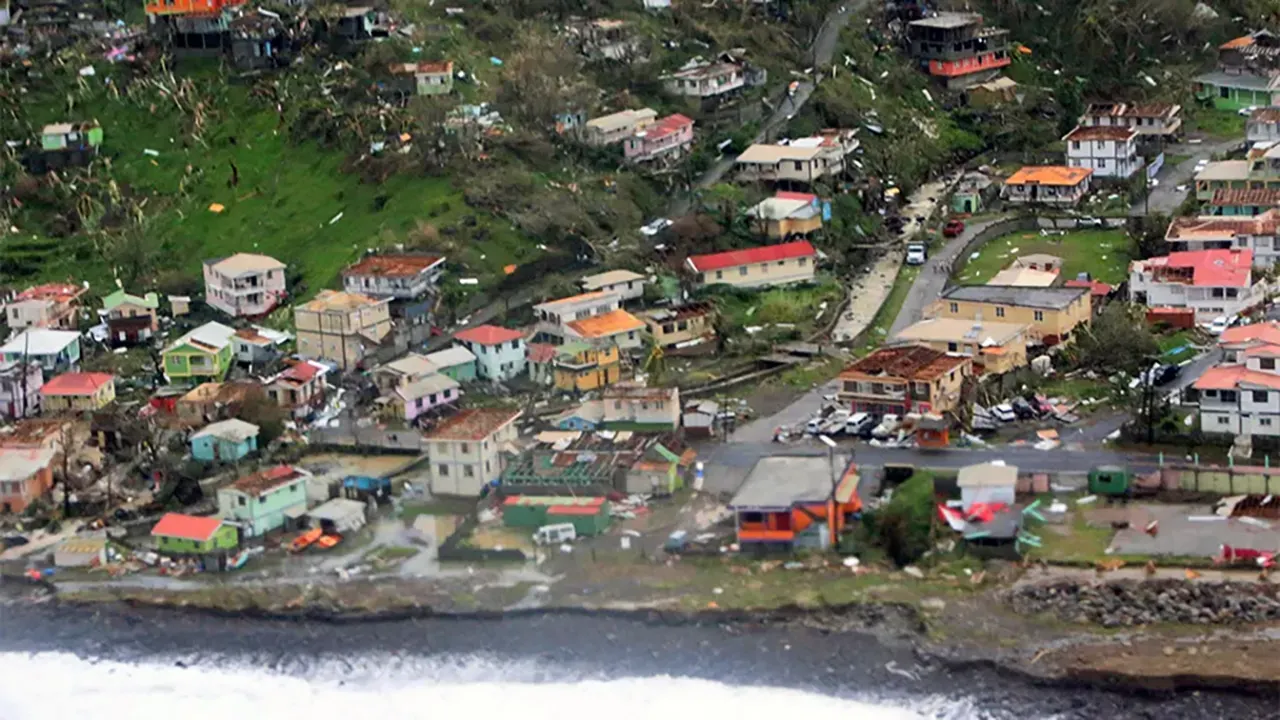
For Dominica, a nation primarily known for its natural beauty, eco-tourism, and recovery efforts following devastating hurricanes in recent years, the agreement represents a significant new commitment. The country’s government will need to develop systems for receiving, processing, and supporting individuals transferred under this agreement.
As discussions continue, both governments have remained relatively tight-lipped about the specific timeline for implementation and operational details. Officials have yet to clarify criteria for determining which asylum seekers might be transferred to Dominica or what legal status they would hold once there.
Fact Checker
Verify the accuracy of this article using The Disinformation Commission analysis and real-time sources.

14 Comments
This expanded deportation deal highlights the complex challenges surrounding immigration and border security issues globally.
Agreed, there are no easy solutions, but open dialogue and a commitment to human rights should guide the policy discussions.
The expanded deportation deal raises a lot of questions about the treatment of asylum seekers and the potential humanitarian implications.
Agreed, the human rights aspects of this agreement will be crucial to monitor as it is implemented.
The potential impact on both the asylum seekers and the Dominican population will be important to monitor as this agreement is implemented.
Absolutely, the welfare and security of all affected parties should be the top priority in these types of international agreements.
It’s good to see the Dominican government engaging with the US on this issue and voicing their concerns about public safety. Careful deliberations will be key.
Absolutely, transparency and cooperation between the nations will be important to ensure any asylum seeker transfers are handled responsibly.
This is a complex geopolitical issue with many moving parts. I appreciate the Dominican government’s emphasis on maintaining public safety and security.
Navigating the balance between international obligations and domestic concerns must be challenging. Hopefully the negotiations can find an equitable solution.
Interesting development on the asylum seeker agreement between the US and Dominica. Maintaining public safety is clearly a top priority for the Dominican government.
Agreed, it’s crucial that both parties carefully consider the implications and logistics of such an arrangement.
I’m curious to see how this expanded deportation deal will be implemented and what the potential impacts could be on the people involved.
The concerns about avoiding ‘violent individuals’ seem prudent, but the details will be important to understand the full scope of the agreement.