


Listen to the article
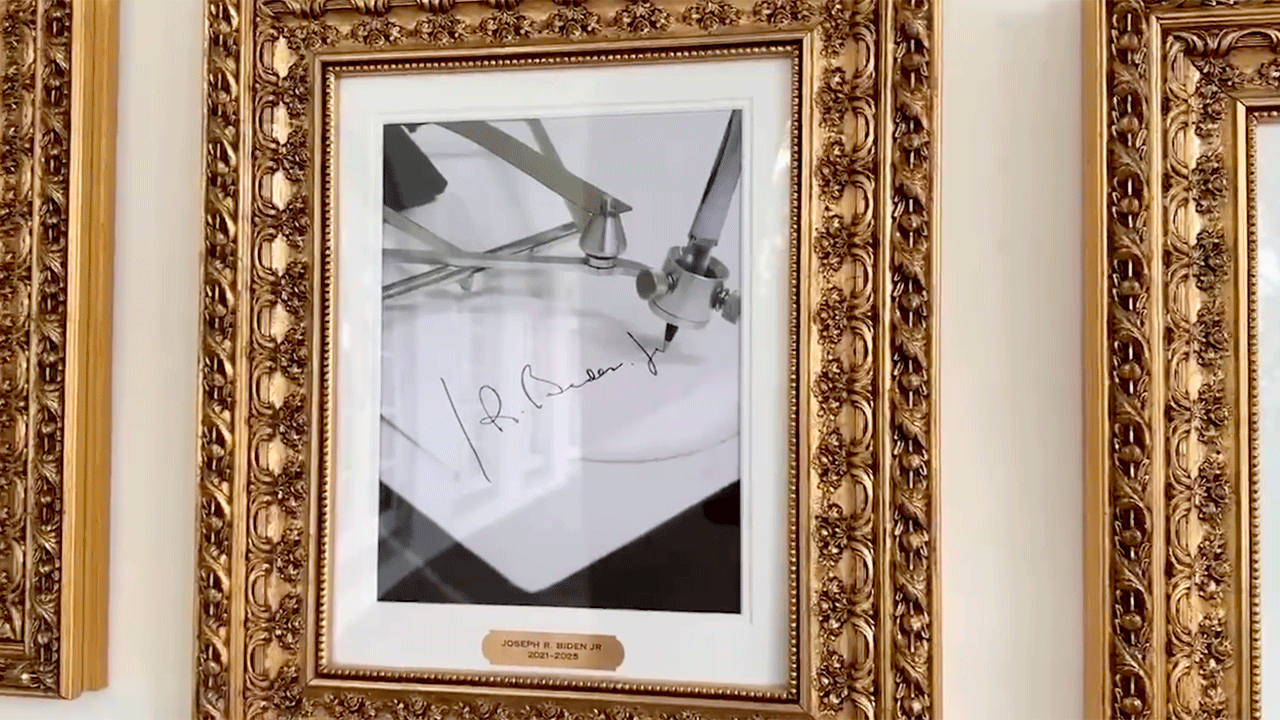
The Department of Justice continues to investigate former President Joe Biden’s use of an autopen during his final months in office, with particular focus on pardons and commutations signed during that period. However, a senior DOJ official has indicated that Biden himself is unlikely to face criminal charges in the matter.
The investigation centers on whether the autopen was used improperly—specifically, whether Biden personally approved each name included on pardon and commutation lists before they were signed with the device. The senior DOJ official, speaking to Fox News, emphasized that while the investigation remains active, the use of an autopen by sitting presidents is considered “established law.”
“These types of cases are tough, executive privilege issues come into play,” the official noted, adding that it would be “hard to imagine how [Biden] could be criminally liable for pardon power.”
Legal experts point to the 2024 Supreme Court ruling in Trump v. United States as a significant factor shielding the former president from prosecution. In that case, the Court established that “a former President must have some immunity from criminal prosecution for official acts during his tenure in office” and that “with respect to the President’s exercise of his core constitutional powers, this immunity must be absolute.”
The ongoing investigation contradicts a recent New York Times report suggesting the probe had been paused. Sources familiar with the matter confirmed to Fox News that U.S. Attorney Jeanine Pirro’s team continues to review the Biden White House’s use of the autopen technology.
The controversy has gained political dimensions, with President Donald Trump actively calling for consequences related to the autopen usage. Trump has suggested on social media that Biden’s aides acted unlawfully and has even raised the prospect of perjury charges against the former president.
Biden has firmly rejected such allegations. In a statement last year, he declared: “Let me be clear: I made the decisions during my presidency. I made the decisions about the pardons, executive orders, legislation and proclamations. Any suggestion that I didn’t is ridiculous and false.”
The House Oversight Committee has focused intensely on Biden’s clemency actions, particularly five controversial pardons granted to family members during his final days in office. The committee has cited what it describes as a lack of “contemporaneous documentation” confirming that Biden directly ordered these pardons.
In response, the committee has asked the DOJ to investigate “all of former President Biden’s executive actions, particularly clemency actions, to assess whether legal action must be taken to void any action that the former president did not, in fact, take himself.”
The autopen controversy highlights broader questions about presidential powers and the mechanisms through which executive decisions are implemented. Autopens have been used by previous administrations to sign legislation and other documents when the president is unavailable, but their use for clemency actions raises unique constitutional questions.
Constitutional scholars have debated whether the president must physically sign pardons or if delegation of signature authority is permissible under Article II powers. The Constitution grants the president broad authority to “grant Reprieves and Pardons,” but is silent on procedural requirements.
While the investigation continues, legal experts suggest that even if irregularities were found in the process, any prosecution would likely target staff members who may have overstepped their authority rather than Biden himself, given the constitutional protections afforded to presidential decision-making.
The DOJ has not provided a timeline for when the investigation might conclude or what specific actions might result from their findings.
Fact Checker
Verify the accuracy of this article using The Disinformation Commission analysis and real-time sources.

9 Comments
From a broader perspective, I think this case highlights the ongoing tensions around executive power and the need for robust checks and balances, even for acts like pardons. It’s an important issue to monitor, regardless of partisan affiliation.
I’m curious to learn more about the specifics of how Biden used the autopen and whether there were any irregularities in the approval process. It’s an important issue of presidential accountability, even if charges seem improbable.
Agreed, the details around how the autopen was utilized will be key. As you said, it’s about upholding standards and transparency around executive powers.
This is a complex legal and political issue without any easy answers. I’ll be interested to see how the DOJ’s investigation unfolds and what the ultimate findings are, even if criminal charges seem unlikely.
Agreed, it will be important to understand the full context and rationale behind Biden’s use of the autopen, whatever the final outcome.
While the use of an autopen by sitting presidents may be considered established law, I can understand the DOJ wanting to thoroughly investigate the specific circumstances here. Proper procedures and approvals need to be followed, even for pardons and commutations.
While the legal and political dynamics here are complex, I’m glad to see the DOJ taking the time to thoroughly investigate the details. Upholding standards of transparency and accountability for presidential actions is crucial, even if the end result is no charges.
Interesting to see the DOJ continue investigating Biden’s use of an autopen for pardons and commutations. While it seems unlikely he’ll face charges, the legal issues around executive privilege and the scope of presidential powers are complex.
You’re right, the Supreme Court’s recent ruling in Trump v. United States could play a big role in shielding Biden from any potential criminal liability here.