


Listen to the article
DNC Staff Backlash Erupts as Chairman Ends Remote Work Policy
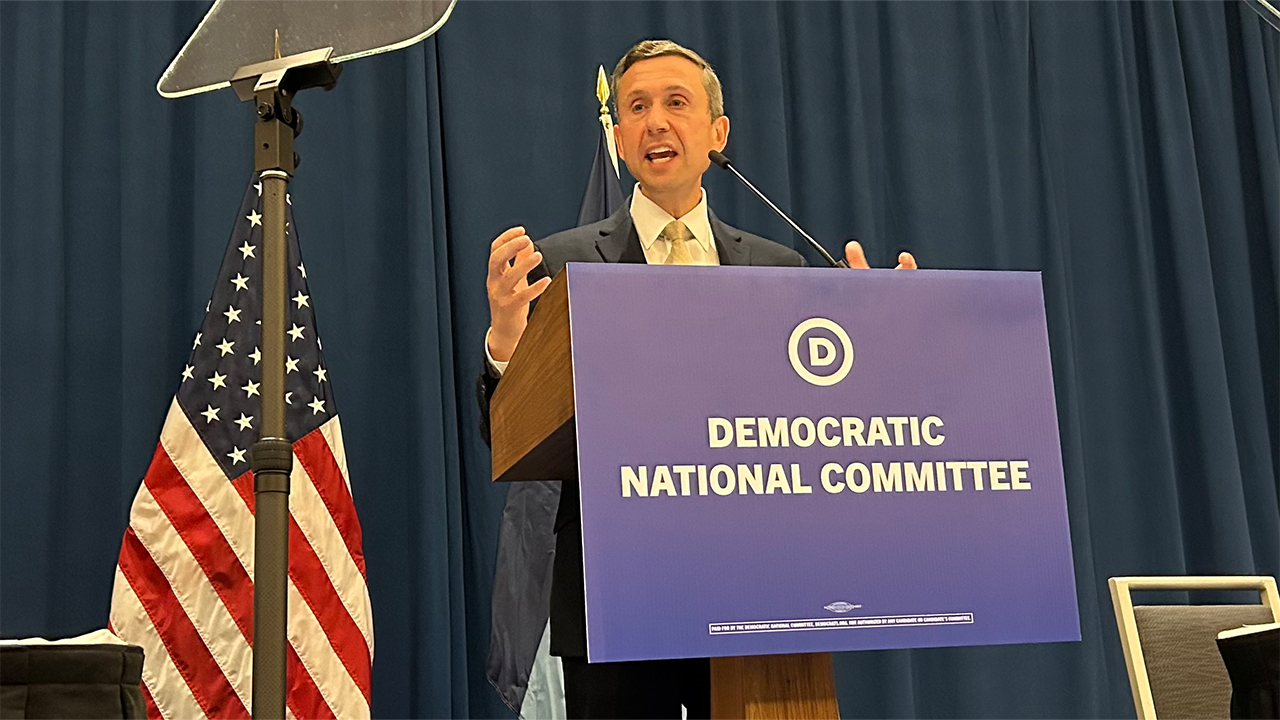
Democratic National Committee employees have sparked controversy following a directive from DNC Chairman Ken Martin requiring staff to return to the office five days a week, ending the organization’s remote work flexibility that had been in place since the COVID-19 pandemic.
The union representing DNC employees issued a strongly worded statement condemning the decision as “callous,” particularly in light of what they described as staff’s significant contributions to recent Democratic electoral victories. During the announcement on a staff-wide call, employees reportedly responded with immediate digital displays of disapproval, including numerous thumbs-down emoji reactions.
“It was shocking to see the DNC chair disregard staff’s valid concerns on today’s team call,” the union stated. “DNC staff worked extremely hard to support historic wins for Democrats up and down the ballot last Tuesday, and this change feels especially callous considering the current economic conditions created by the Trump administration.”
Martin reportedly delivered a blunt message to those unhappy with the policy change: if they don’t like it, they should seek employment elsewhere. He explained that the work-from-home arrangements implemented during COVID were never intended to be permanent, describing them as a “Band-Aid” that needed to be removed. The chairman did note that remote work accommodations would still be considered on a case-by-case basis.
The return-to-office mandate comes with a 60-day notice period, in accordance with language in the collective bargaining agreement ratified earlier this summer. Despite this provision, the union has indicated it is exploring all possible options to challenge the directive.
Several prominent Democrats have publicly sided with Martin’s decision. Neera Tanden, who served as domestic policy advisor to President Biden, showed little sympathy for the disgruntled employees. “If you think democracy is on the line – working in the office is not a big ask,” Tanden posted on X. “And there are plenty of other people willing to step up. Get yourselves together people.”
The Center for New Liberalism, a left-wing organization, supported the leadership position, stating that staff “should look elsewhere” if working remotely is a non-negotiable requirement. The group emphasized that campaign work is inherently demanding and requires personal sacrifice, while suggesting that remote workers may be missing career advancement opportunities by not being physically present in the office.
Florida-based Democratic strategist Steve Schale, who led Barack Obama’s Florida campaigns in 2008 and 2012, went even further, suggesting the DNC should implement a requirement that employees complete “at least two cycles on an actual battleground campaign, where terms like flex hours & hybrid work don’t exist.”
Republicans quickly seized on the controversy as an opportunity to criticize their political opponents. Former Trump White House press secretary Sean Spicer expressed disbelief at the situation, while GOP strategist Matt Gorman mockingly described the image of “DNC staffers logging onto a Zoom call in their pajamas” during Biden’s reelection campaign as “hilarious.”
GOP National Press Secretary Kiersten Pels delivered perhaps the most pointed barb: “The best part is that they still get two full months before they actually have to get out of bed 5 days week. Is this a political committee or a daycare?”
This isn’t the first time Democratic staffers have faced criticism over work expectations. Earlier this year, the Congressional Progressive Staff Association proposed a rotating 32-hour workweek for congressional staff, a suggestion that drew criticism even from within the party. Democratic Representative Ritchie Torres of New York dismissed the idea, asking, “Why not be bold and ask for a 0-hour workweek?” He further questioned how “blue-collar Americans would feel about white-collar workers demanding a 32-hour workweek.”
As the 60-day notice period progresses, the situation highlights broader tensions in American workplaces about remote work policies and expectations as organizations continue to navigate post-pandemic work arrangements.
Fact Checker
Verify the accuracy of this article using The Disinformation Commission analysis and real-time sources.

9 Comments
While I understand the desire for in-person collaboration, the DNC should consider a more flexible hybrid model that balances remote and office work. Employees have proven they can be productive remotely, and this change may alienate valuable staff at a critical time.
Exactly, finding the right balance is key. Rigid policies often backfire – the DNC should listen to staff feedback and find a solution that works for everyone.
While I understand the desire for in-person collaboration, the DNC should be mindful of the broader shift towards flexible work arrangements. Forcing a return to the office could alienate talented staff and hurt the organization’s ability to attract top candidates in a competitive job market.
While I appreciate the DNC’s desire for in-person collaboration, a blanket return-to-office mandate seems short-sighted. In the modern work environment, offering remote and hybrid options is key to attracting and retaining top talent. Hopefully the DNC will reconsider this policy.
Agreed. Successful organizations need to adapt to evolving employee expectations around work-life balance and flexibility. The DNC should take a more thoughtful, nuanced approach.
Seems like a tone-deaf decision by the DNC leadership. Remote work has become the norm for many organizations, and forcing a full-time return to office could cause a major backlash and retention issues, especially after the hard work staff put in for the recent election wins.
I’m surprised the DNC is taking such a hardline stance on remote work given the positive impact it’s had on employee productivity and well-being during the pandemic. Hopefully they’ll engage with staff to find a middle ground that works for everyone.
This is a curious move by the DNC. In a tight labor market, forcing employees back to the office full-time could drive talent to competitors offering more flexibility. I wonder what the rationale is behind this decision.
This is a disappointing move by the DNC leadership. Forcing a full-time return to office flies in the face of employee preferences and industry trends towards greater workplace flexibility. I hope they reconsider and find a more balanced solution.