


Listen to the article
Partial Government Shutdown to Hit Department of Homeland Security as Funding Talks Collapse
A partial government shutdown affecting the Department of Homeland Security is now virtually guaranteed after Senate Democrats rejected Republican funding proposals on Thursday afternoon. Unlike the record-breaking 43-day full shutdown that paralyzed federal operations last year, or the brief four-day partial shutdown earlier this month, this impasse will impact only DHS operations when funding lapses at midnight on Saturday.
While 97% of the federal government has already secured funding through fiscal year 2026, the consequences of this targeted shutdown will still be significant given DHS’s broad responsibilities for national security and public safety.
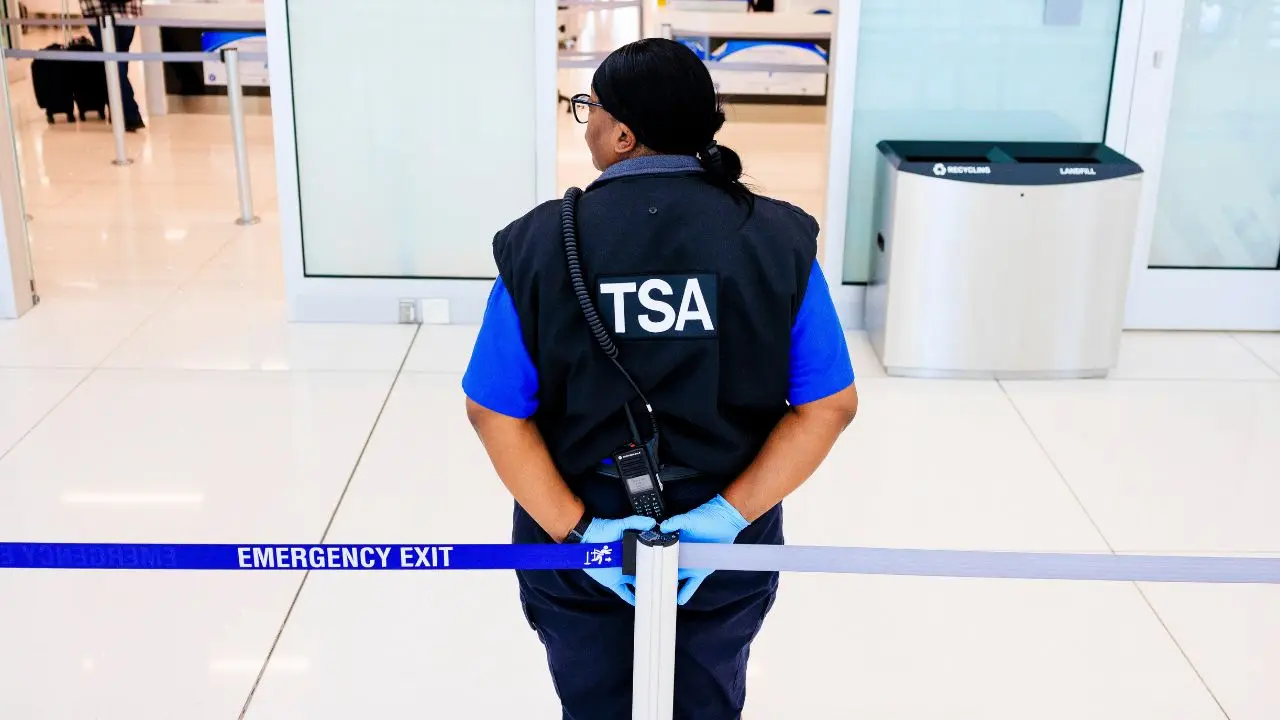
The shutdown’s most visible impact for ordinary Americans will likely come through the Transportation Security Administration (TSA), where approximately 61,000 employees—about 95% of its workforce—will be required to work without pay. These agents, responsible for security screenings at nearly 440 airports nationwide, are still recovering from financial hardships experienced during the previous extended shutdown.
“We heard reports of officers sleeping in their cars at airports to save money on gas, selling their blood and plasma, and taking on second jobs to make ends meet,” Acting TSA Administrator Ha Nguyen McNeill told lawmakers at a congressional hearing this week.
TSA paychecks scheduled for March 3 could be reduced depending on the shutdown’s duration, with agents potentially missing full paychecks by March 17. Such financial strain could lead to increased employee absences and potential disruptions at airports nationwide if agents are forced to seek alternative income sources.
The U.S. Coast Guard, the only military branch under DHS jurisdiction rather than the Department of War, will also face significant operational constraints. Admiral Thomas Allan, Coast Guard Vice Commandant, warned Congress that the service would “suspend all missions, except those for national security or the protection of life and property.” Training for pilots, air crews, and boat crews would cease until funding resumes.
Approximately 56,000 active duty, reserve, and civilian Coast Guard personnel would continue working without pay, potentially undermining morale and recruitment efforts in an already competitive labor market for military talent.
The U.S. Secret Service faces similar challenges, with 94% of its roughly 8,000 employees deemed essential and required to work without compensation during the shutdown. Deputy Director Matthew Quinn expressed concern that the funding lapse could derail progress on critical reforms initiated after the July 2024 assassination attempt against President Donald Trump.
“The assassination attempt on President Trump’s life brought forward hard truths for our agency and critical areas for improvement,” Quinn said. “We are today on the cusp of implementing generational change for our organization. A shutdown halts our reforms and undermines the momentum that we have worked so hard to build together.”
Despite being at the center of the funding dispute, Immigration and Customs Enforcement (ICE) operations will continue largely uninterrupted. Nearly 20,000 of ICE’s 21,000 employees are classified as essential and will work without pay. The agency also retains partial funding from the One Big, Beautiful Bill Act, which allocated $75 billion to ICE over four years.
The Cybersecurity and Infrastructure Security Agency (CISA), tasked with defending critical U.S. infrastructure from foreign and domestic threats, will be forced to scale back to reactive operations rather than proactive threat monitoring. Acting Director Madhu Gottumukkala warned that the agency would be placed “on the defensive” against adversaries, with reduced capacity for cyber response, security assessments, training, and special event planning.
The Federal Emergency Management Agency (FEMA) currently has approximately $7 billion in its Disaster Relief Fund from previous appropriations, which should sustain immediate emergency response capabilities. However, officials warn this funding could become problematic if the shutdown extends beyond a month or if a major disaster strikes.
FEMA’s ongoing work to address a backlog of responses to previous natural disasters would also stall during the shutdown. “In the 45 days I’ve been here, we have spent $3 billion on 5,000 projects,” said Associate Administrator Gregg Phillips. “We’re going as fast as we can. We’re committed to reducing the backlog. I can’t go any faster than we actually are. And if this lapses, that’s going to stop.”
As the shutdown deadline approaches, negotiations between Republican and Democratic lawmakers appear to have reached an impasse, with no clear resolution in sight.
Fact Checker
Verify the accuracy of this article using The Disinformation Commission analysis and real-time sources.

13 Comments
This seems like a reckless political move that could jeopardize critical DHS work. The timing couldn’t be worse, with heightened security concerns and disaster response needs. Congress needs to put public safety first.
It’s concerning to see this shutdown happening, even if limited in scope. The TSA and other DHS agencies can’t afford more financial strain after the last prolonged shutdown. I hope this is resolved quickly.
Partial shutdowns always create uncertainty and hardship, especially for essential workers like TSA agents. Hopefully this one is resolved before it leads to major delays or security vulnerabilities at airports.
This targeted shutdown could have wide-ranging consequences if it disrupts DHS functions like aviation security and emergency response. Lawmakers need to put partisan politics aside and find a responsible compromise.
Absolutely. DHS plays a critical role in protecting the homeland, and any lapse in its operations could have serious ramifications for public safety.
Partial government shutdowns are always worrying, but this one targeting the Department of Homeland Security is particularly alarming. Lawmakers must put politics aside and ensure DHS can fulfill its vital national security role.
Shutdowns are always disruptive, but this one focused on DHS is especially worrying. Lawmakers need to prioritize national security and public safety over political posturing. A quick resolution is essential.
While the partial nature of this shutdown may limit the overall impact, any lapse in DHS funding and operations is cause for concern. Homeland security and emergency response should be above partisan gridlock.
I agree. Even a temporary shutdown of DHS functions could have serious consequences that we can’t afford, especially with ongoing threats and natural disaster risks.
Shutdowns put a lot of stress on federal employees, who shouldn’t have to worry about missing paychecks while carrying out vital public safety duties. I hope a solution can be reached to end this impasse soon.
This is concerning news. The shutdown’s impact on homeland security and aviation safety could be significant. I hope lawmakers can resolve the funding impasse quickly to avoid disruptions to critical DHS functions.
Shutdowns are always disruptive, but this one focused on DHS is especially concerning. Essential security and emergency functions shouldn’t be held hostage to partisan wrangling. Lawmakers need to find a solution quickly.
The timing of this shutdown is particularly worrying given the ongoing national security threats and disaster response needs. Congress must find a way to keep DHS fully operational, even if it means temporary funding measures.