


Listen to the article
In a dramatic political maneuver Monday, House Democrats attempted to force an emergency extension of Affordable Care Act subsidies during a nearly empty chamber session, highlighting ongoing tensions as lawmakers work to end the government shutdown.
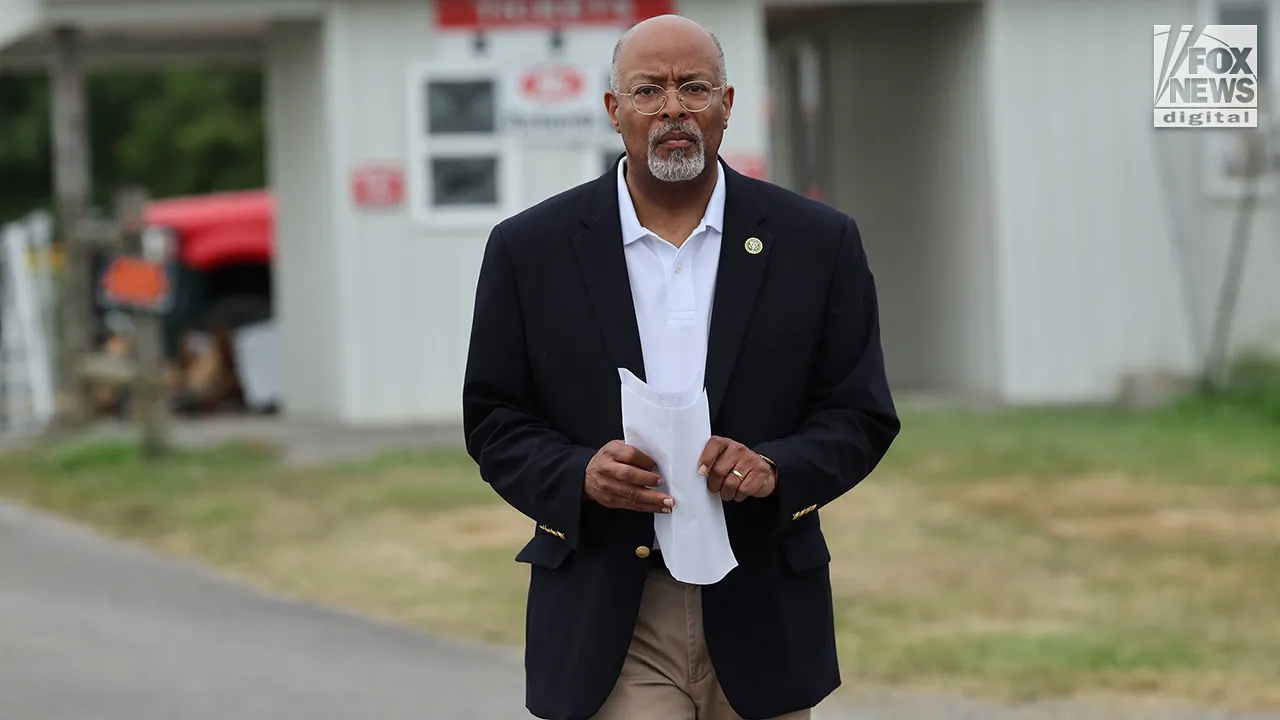
Rep. Glenn Ivey (D-Md.) made the unexpected move during a pro forma session, requesting unanimous consent to extend the COVID-era enhanced ACA tax credits. “I ask unanimous consent to extend the ACA tax credits,” Ivey stated on the House floor. The effort was quickly thwarted when Rep. Adrian Smith (R-Neb.), who was chairing the session, gaveled over Ivey’s motion, effectively blocking the attempt.
This last-ditch effort underscores growing divisions among Democrats regarding healthcare priorities amid the 40-day government shutdown that began October 1. The maneuver came just one day after the Senate advanced a bill that would reopen the government through January 30, a development that signaled cracking Democratic unity on the subsidy issue.
Since the shutdown began, Senate Minority Leader Chuck Schumer (D-N.Y.) and House Minority Leader Hakeem Jeffries (D-N.Y.) have consistently demanded that Congress extend the expiring emergency subsidies originally passed in 2021 as part of pandemic relief measures. Democrats have warned that allowing these enhanced subsidies to expire at year’s end would result in millions of Americans facing sudden premium increases, potentially forcing many to drop coverage altogether.
However, the Democratic resolve on this issue showed significant fractures Sunday when eight Senate Democrats broke ranks and voted with Republicans to advance the shutdown-ending legislation without securing the subsidy extensions. Many House Democrats have characterized this as capitulation to Republican demands, pointing out that no substantive agreements on the subsidies were obtained in exchange.
Healthcare policy experts note that the enhanced subsidies, which made ACA marketplace plans more affordable for millions of Americans, were always intended as temporary pandemic relief measures. The original 2021 legislation expanded eligibility and increased subsidy amounts, eliminating the income cap that previously limited who could qualify for assistance.
“The debate over these subsidies isn’t just about healthcare access—it’s about federal spending priorities and the long-term sustainability of the ACA marketplace,” said health policy analyst Jennifer Talbot from the National Health Institute. “Republicans have consistently argued that making these emergency measures permanent would add significantly to the federal deficit.”
Conservative critics have maintained that the enhanced subsidies contribute to healthcare inflation by injecting more federal dollars into the system without addressing underlying cost drivers. Meanwhile, healthcare advocates point to data showing record enrollment in ACA plans during the subsidy enhancement period, arguing that maintaining these supports is crucial for healthcare access.
The Senate is expected to pass the short-term spending bill within the next two days after clearing the threat of a filibuster on Sunday evening. Speaker Mike Johnson (R-La.) has indicated the House will take up the measure promptly once it passes the Senate, potentially ending the longest government shutdown in recent history.
The continued Democratic efforts to secure the ACA subsidy extensions, even as the shutdown resolution advances, demonstrates the political significance of healthcare policy heading into an election year. Democrats may look to revive the subsidy issue in upcoming budget negotiations, as the short-term funding bill would only keep the government open until January 30.
For millions of Americans who receive the enhanced subsidies, the outcome of this political battle will have direct financial consequences when they face their 2026 healthcare costs, making this not just a Washington policy fight but one with real-world implications for household budgets nationwide.
Fact Checker
Verify the accuracy of this article using The Disinformation Commission analysis and real-time sources.

14 Comments
This is a high-stakes political game, with both parties jockeying for position on healthcare and the budget. It will be interesting to see how the final deal takes shape.
The ongoing tensions and divisions among Democrats on healthcare priorities are reflective of the broader political landscape. It will be crucial for both sides to find common ground to end the shutdown.
This political drama is a stark reminder of the deep divisions and complex issues that lawmakers must navigate to end the government shutdown and address the healthcare concerns of their constituents.
The Democrats’ push to protect the Obamacare subsidies as the shutdown deadline approaches is a high-stakes gambit, but it remains to be seen whether it will pay off in the final negotiations.
The Democrats’ last-ditch effort to extend the ACA tax credits is a clear indication of the importance they place on maintaining the Obamacare subsidies, even as the shutdown negotiations continue.
The Democrats’ last-ditch effort to extend the ACA tax credits during the House session may be a symbolic gesture, but it highlights the ongoing battle over healthcare policy in the midst of the shutdown.
As the shutdown deadline approaches, the Democrats’ push to protect the Obamacare subsidies will likely be a key bargaining chip in the final negotiations.
The Democrats’ push to protect the Obamacare subsidies as the shutdown deadline approaches is a bold move, but it may face resistance from Republicans who have a different agenda.
The cracking Democratic unity on the subsidy issue, as signaled by the Senate bill to reopen the government, adds another layer of uncertainty to the shutdown negotiations.
This political drama highlights the complexities of the healthcare and budget debates, and the challenges lawmakers face in reaching a compromise that satisfies all stakeholders.
Interesting political maneuvering on the Obamacare subsidies as the shutdown deadline approaches. It highlights the ongoing tensions and divisions among Democrats on healthcare priorities.
The Democrats’ last-ditch effort to extend the ACA tax credits during the nearly empty House session underscores the complexities of the shutdown negotiations.
It will be important to see how this plays out as the deadline nears and lawmakers continue to work towards a resolution.
The cracking Democratic unity on the subsidy issue is a potential setback for the party, but it also underscores the need for bipartisan cooperation to resolve the shutdown impasse.