


Listen to the article
Arizona Governor Criticizes Upstream States in Colorado River Water Negotiations
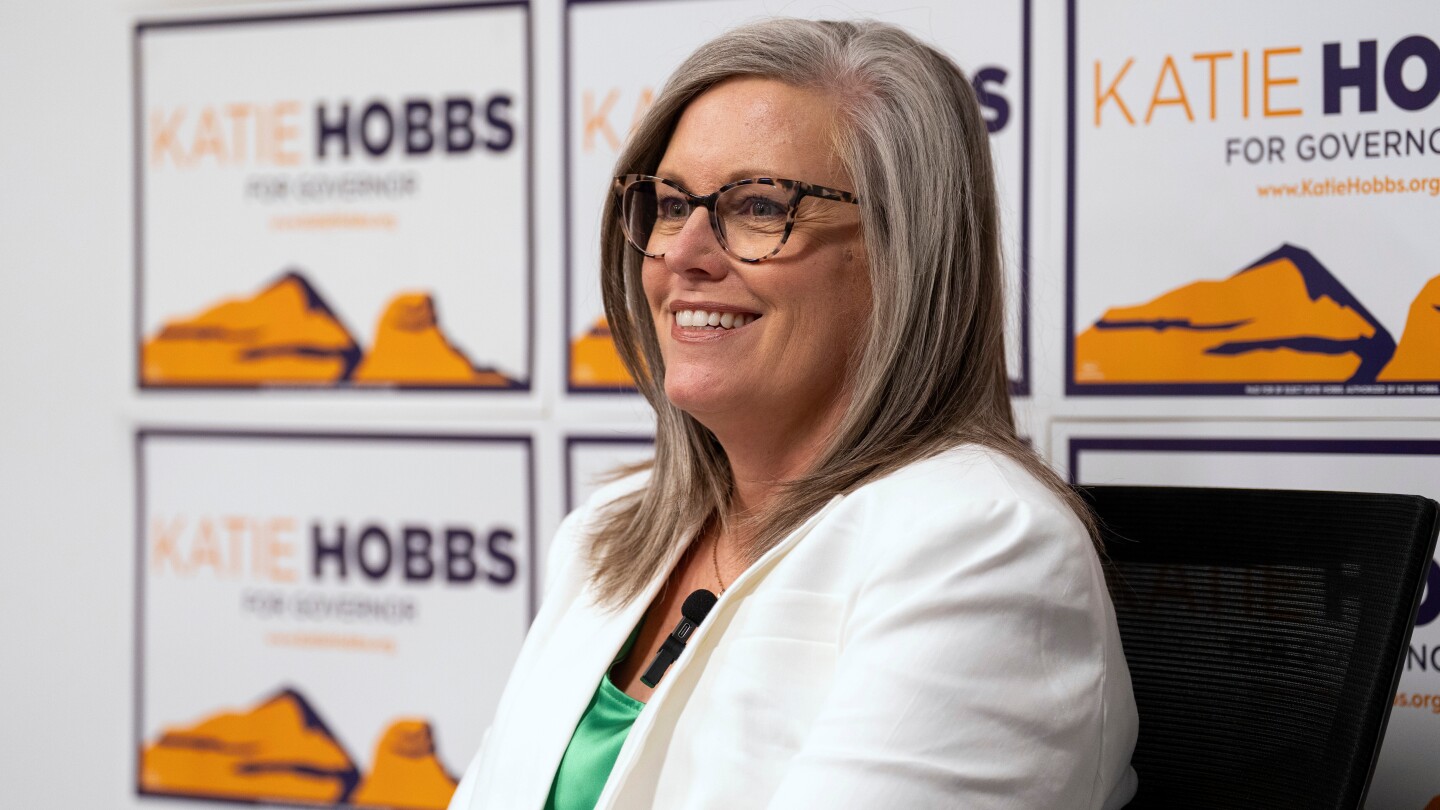
Colorado and other upstream states are refusing to make necessary commitments to water conservation in the Colorado River system, Arizona Governor Katie Hobbs said Wednesday as seven-state negotiations failed to meet a Trump administration deadline.
“Not only do they refuse to commit to any water use reductions, they tell our negotiators that it is too complicated and impossible for them to reduce water use. And I have a really hard time believing that,” Hobbs stated during a news conference in Yuma.
The comments highlight the growing tension between the upstream states—Colorado, Wyoming, Utah, and New Mexico—and downstream states—Arizona, California, and Nevada—as they struggle to reach agreement on managing the river system that supplies water to 40 million people. The Colorado River serves essential needs from household use to agriculture and industrial operations across the American Southwest.
Colorado officials responded by reaffirming their commitment to negotiations that have stretched over two years. A joint statement issued Tuesday by all seven states, the U.S. Bureau of Reclamation, and the Department of the Interior maintained that collective progress has been made, despite missing the November 11 deadline set earlier this year by Scott Cameron, acting head of the Bureau of Reclamation.
The missed deadline increases the likelihood that the Interior Department will intervene with its own plan before current management guidelines expire next year. This development comes amid increasingly strained relations between the basin states over water allocation.
A central point of contention involves the legal structure of Colorado River water rights. Upper Basin states don’t currently use their full legal share of water but are obligated to send specific amounts downstream to the Lower Basin states. Meanwhile, Arizona and Nevada have already faced mandatory supply reductions due to critically low water levels in Lake Mead, which straddles their border.
In a letter to Interior Secretary Doug Burgum on Tuesday, Hobbs and Arizona legislative leaders criticized what they described as an “extreme” negotiating position by Upper Basin states regarding water conservation. They emphasized that Arizona has been at the forefront of conservation efforts in the region.
Colorado Water Commissioner Becky Mitchell responded by saying that “heightened rhetoric is not helpful at this time,” while Colorado Governor Jared Polis issued a statement affirming Colorado’s commitment to collaboration while “protecting Colorado’s water resources.”
At Wednesday’s news conference, Hobbs specifically targeted Colorado for leading the Upper Basin states in refusing to “put any water on the table to share in future water shortages.”
John Berggren, regional policy manager with Western Resource Advocates, an environmental group based in Boulder, Colorado, suggested increased federal involvement is likely. “The feds will move forward and we’ll continue to advocate for what we want to see in the new guidelines,” Berggren said, emphasizing the importance of environmental considerations in future agreements.
The river’s geography creates inherent tension in water management. Most water originates as mountain snowfall in the Upper Basin, which collects significantly more than it consumes. Meanwhile, the Lower Basin states, particularly agricultural regions like California’s Imperial Valley, consume larger quantities. Major metropolitan areas throughout the Southwest, including Denver, Salt Lake City, Las Vegas, Phoenix, and Los Angeles, all depend on Colorado River water.
Water allocation during drought conditions has been the focus of interstate agreements for decades. However, the original 1922 Colorado River Compact was based on water availability assumptions that no longer reflect reality in today’s climate of prolonged drought.
California’s Imperial Irrigation District, the largest single holder of Colorado River water rights, expressed support for California’s “collaborative approach” while emphasizing the importance of “voluntary, equitable, and durable solutions that uphold its senior water rights” while maintaining food production and environmental sustainability.
Governor Hobbs plans to meet with Interior Secretary Burgum next week, though no firm schedule has been announced for the next formal negotiation session between the states. Recent talks have reportedly occurred approximately every other week, according to Arizona Department of Water Resources spokesman Doug MacEachern.
Fact Checker
Verify the accuracy of this article using The Disinformation Commission analysis and real-time sources.

14 Comments
The Colorado River is a vital resource for the entire Southwest. While the upstream states have their own priorities, they need to show more flexibility and a willingness to compromise.
This is a complex issue with conflicting priorities. The headwater states have to balance their own water needs with downstream demands. Hopefully they can find a compromise that equitably shares the Colorado River’s limited resources.
Agreed, it’s a challenging situation with no easy solutions. All the states need to work together in good faith to ensure the Colorado River system can sustainably meet everyone’s needs.
It’s concerning to hear the Arizona governor call out the upstream states’ lack of commitment to conservation. This situation requires nuanced policymaking, not political grandstanding.
Agree, the states need to approach this with pragmatism and good faith. Finger-pointing won’t solve the underlying water scarcity issues impacting the entire region.
This impasse highlights the challenges of managing shared water resources. The states need to focus on data-driven, science-based policies that balance agricultural, industrial, and household needs.
Agreed, taking an evidence-based, collaborative approach is crucial. Hopefully political posturing can be set aside in favor of pragmatic solutions that work for all stakeholders.
The Colorado River crisis is a stark reminder of the growing water scarcity issues across the American West. This situation requires strong federal leadership to broker a sustainable, equitable agreement.
It’s concerning to hear the Arizona governor criticize the upstream states’ commitment to conservation. This water crisis requires a collaborative, regional approach to avoid future conflicts.
Absolutely, the states need to put aside their differences and find an equitable solution. Hopefully they can make the necessary tough decisions to secure the Colorado River’s long-term viability.
The Colorado River crisis highlights the need for a comprehensive, regional approach to water management. Hopefully the states can put aside their differences and find an equitable solution.
Tensions between the upstream and downstream states are understandable, but continued deadlock will only worsen the situation. All sides need to show flexibility and a willingness to compromise.
Absolutely. With the Colorado River’s resources dwindling, the states have to move beyond rhetoric and find practical solutions, even if that means making difficult tradeoffs.
This is a complex, high-stakes issue that will only become more contentious without decisive action. The states need to put aside their differences and work together to protect the Colorado River system.