


Listen to the article
Mississippi’s Legislature Lacks Public Comment Opportunities, Limiting Citizen Voices
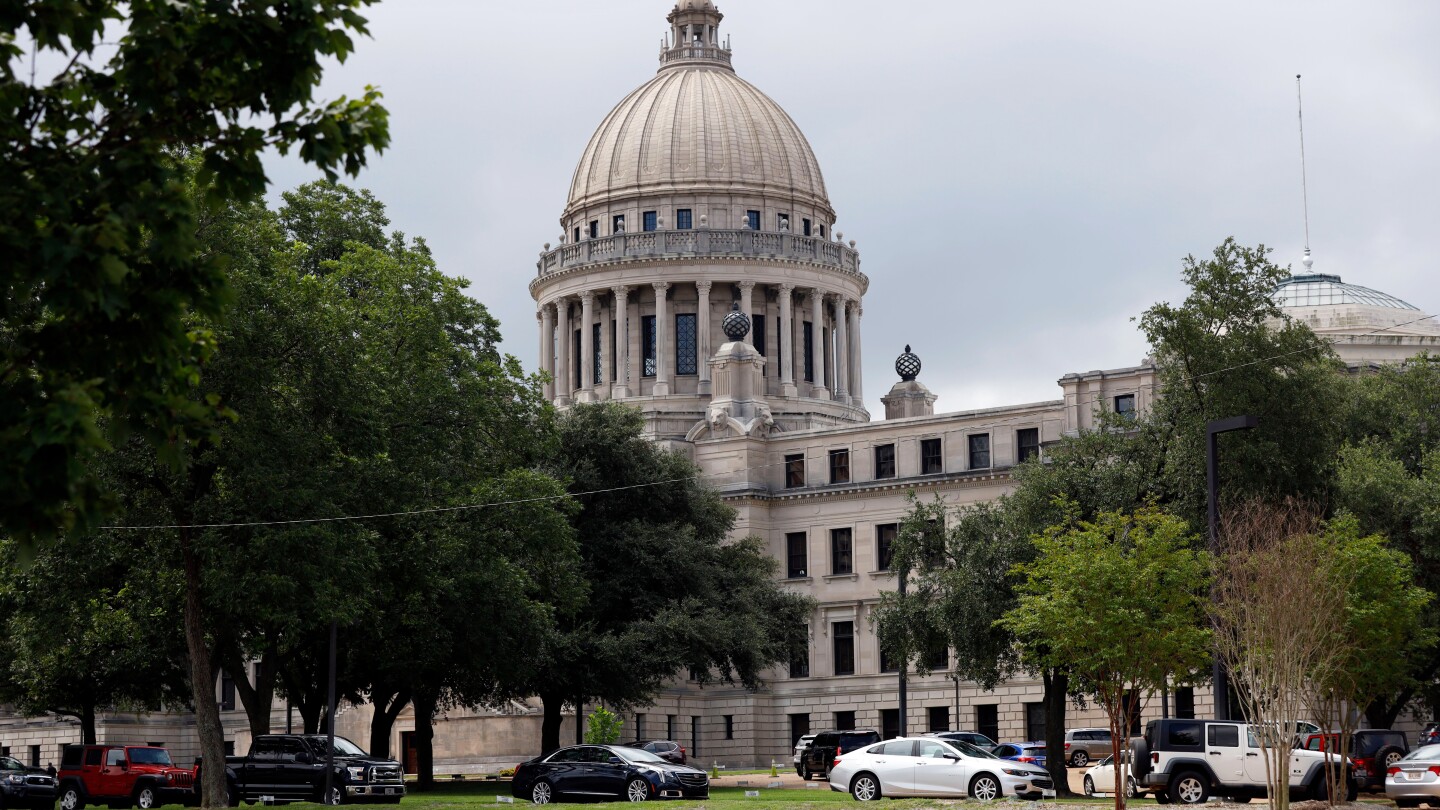
When the Mississippi Legislature reconvenes this month within the Capitol’s marbled halls, a critical voice will be noticeably absent: that of the state’s citizens.
Unlike many other state legislatures across the country, Mississippi provides no formal process for constituents to offer public comment or testimony during committee hearings. Citizens and advocacy groups occasionally receive invitations from lawmakers to speak, but no structured system exists for regular public input—either in person, remotely, or in writing.
“Constituents should have a voice when it comes to policy making,” said Sarah Moreland-Russell, an associate professor in the School of Public Health at Washington University in St. Louis who has studied testimony’s impact on lawmaking. “If you’re not hearing from the people that are actually being affected by a policy, then how do you know it’s truly going to be effective?”
Moreland-Russell expressed surprise at learning about Mississippi’s lack of public testimony opportunities, noting that her research shows legislators across political parties find constituent input influential in their decision-making process.
Mississippi stands in stark contrast to neighboring states. Louisiana’s House and Senate rules require that both supporters and opponents of bills have opportunities to speak on legislation. In Colorado, every bill receives a hearing with public comment, while Arizona maintains an online system enabling residents to register opinions and request to testify on bills from home. Alaska operates 22 offices statewide to facilitate legislative participation for citizens in remote areas.
The absence of public input in Mississippi often results in bills moving swiftly through committees with minimal discussion. A notable example was the Senate’s income tax phase-out bill—one of the most significant pieces of legislation in the 2023 session—which quickly advanced through committee with limited debate and no public commentary.
Senate Public Health Committee Chairman Hob Bryan, a Democrat who has served since 1984, noted a marked shift in the legislative process over his tenure. “Committee hearings used to involve frequent debate, amendments and discussion among subcommittees,” he said. “Everything now is just perfunctory.”
The COVID-19 pandemic prompted many state legislatures to implement new systems for remote public participation, but Mississippi has not followed suit. The House of Representatives doesn’t livestream or record committee meetings, though it does broadcast full chamber proceedings. The Senate, meanwhile, streams most committee meetings and all chamber sessions, which spokesperson Hannah Milliet attributed to Lt. Gov. Delbert Hosemann’s commitment to transparency.
House Speaker Jason White told Mississippi Today in 2024 that he had no objection to livestreaming committee hearings and indicated the Rules Committee would explore the policy. However, House Rules Chairman Fred Shanks reported in November that no discussions about implementing livestreaming had occurred.
Beyond the lack of testimony opportunities, basic transparency measures are also missing. The Senate maintains a webpage for publishing committee agendas, though they aren’t consistently posted. The House doesn’t publish agendas online at all, and committee hearings in both chambers sometimes occur with little advance notice.
Representative Jeramey Anderson, a Democrat from Escatawpa, has proposed a rule requiring House committees to post agendas 24 hours before meetings for seven consecutive years, but none of his proposals have advanced beyond committee.
“Mississippians deserve to know what bills are being taken up before they walk into a committee room—not five minutes before, and not after the decisions are already made,” Anderson said. “The refusal to provide even basic notice isn’t an accident. It’s a deliberate choice that keeps the public from testifying, keeps advocates from participating, and keeps voters from holding their elected officials accountable.”
Compounding these issues, the Mississippi Ethics Commission has repeatedly ruled that the Legislature is not bound by the state’s open meetings law—a decision affirmed by Hinds County Chancellor Dewayne Thomas in February. This exemption allows the House Republican Caucus, which holds a strong majority, to frequently meet behind closed doors before committee meetings, effectively shielding legislative discussions from public view.
Shanks defended current practices, saying no constituents have asked him about speaking at the Capitol, and noted the practical challenges involved. “As far as somebody making a public comment at a committee meeting, a lot of our committee meetings are pretty quick, and some of them are last-minute. They may have one right after session,” Shanks said. “It would be pretty hard to do.”
For organizations like One Voice, a Jackson-based civic engagement nonprofit, simple changes could significantly improve public participation. Safia Malin, the group’s interim policy director, suggested requiring committees to provide advance notice of hearings and publish agendas ahead of time would give constituents more opportunities to engage with the legislative process.
This story was originally published by Mississippi Today and distributed through a partnership with The Associated Press.
Fact Checker
Verify the accuracy of this article using The Disinformation Commission analysis and real-time sources.

8 Comments
While efficiency in government proceedings is important, denying constituents a voice seems antithetical to the principles of democracy. I’m curious to learn more about the rationale behind Mississippi’s approach and whether there are efforts underway to enhance citizen engagement.
That’s a fair point. There may be logistical or political factors at play that aren’t immediately clear. Still, finding ways to meaningfully incorporate public input should be a top priority for any legislature that aims to serve the people.
This is quite troubling. A healthy democracy requires robust citizen participation in the policymaking process. Excluding constituents from legislative hearings is a concerning oversight that deserves closer scrutiny and reform efforts.
This highlights the importance of citizens being able to participate in the policymaking process. Without that, how can legislators fully understand the real-world impacts of their decisions? I hope Mississippi takes steps to improve public access and transparency.
It’s troubling to hear that Mississippi’s legislature lacks formal avenues for public comment. Elected officials should make every effort to hear directly from the people they represent, not just special interests. This seems like a fundamental democratic deficit.
Absolutely. Lack of public input can lead to policies that fail to address real needs on the ground. I hope this issue gains more attention and spurs reforms to make the legislature more responsive to constituents.
This is quite concerning. Constituents should have a voice in the political process, especially when it comes to policies that directly impact them. Without structured public input, how can legislators truly understand the needs and concerns of their community?
Agreed. Transparent and accessible public hearings are crucial for effective, accountable governance. I hope Mississippi can learn from other states’ best practices to improve citizen engagement in the legislative process.