


Listen to the article
Iran Conflict Could Drive Global Condom Prices Higher by 30%
The ongoing conflict in Iran is set to impact consumers in an unexpected way—higher condom prices. Karex, the world’s largest condom manufacturer, has warned that prices could increase by as much as 30% as Middle East tensions strain global energy supplies and disrupt international shipping routes.
The Malaysian-based company, which produces more than 5 billion condoms annually for export to over 130 countries, told Reuters that mounting production costs and delivery delays are forcing them to consider significant price hikes. This development highlights how geopolitical tensions in the Middle East are creating far-reaching economic consequences that extend well beyond the energy sector.
At the heart of the issue is the Strait of Hormuz, a critical maritime passage surrounded by Iran, Oman, and the United Arab Emirates. This vital shipping lane, through which approximately one-fifth of the world’s oil passes, has seen sharp reductions in traffic as tensions in the region escalate. Ships carrying oil and other essential supplies are increasingly unable to traverse this contested waterway.
The shipping bottleneck has created a domino effect throughout global supply chains, driving up costs of petroleum-based products like plastics and rubber—key materials found in condoms and other medical supplies. According to Karex CEO Goh Miah Kiat, aluminum used in foil packaging has reached a four-year high, while silicone oil, essential for condom manufacturing, has surged approximately 30%. Shortages of synthetic rubber used in non-latex condoms are further compounding production challenges.
“We’re facing unprecedented pressure from multiple directions simultaneously—raw material costs, shipping delays, and increasing demand,” a company representative explained.
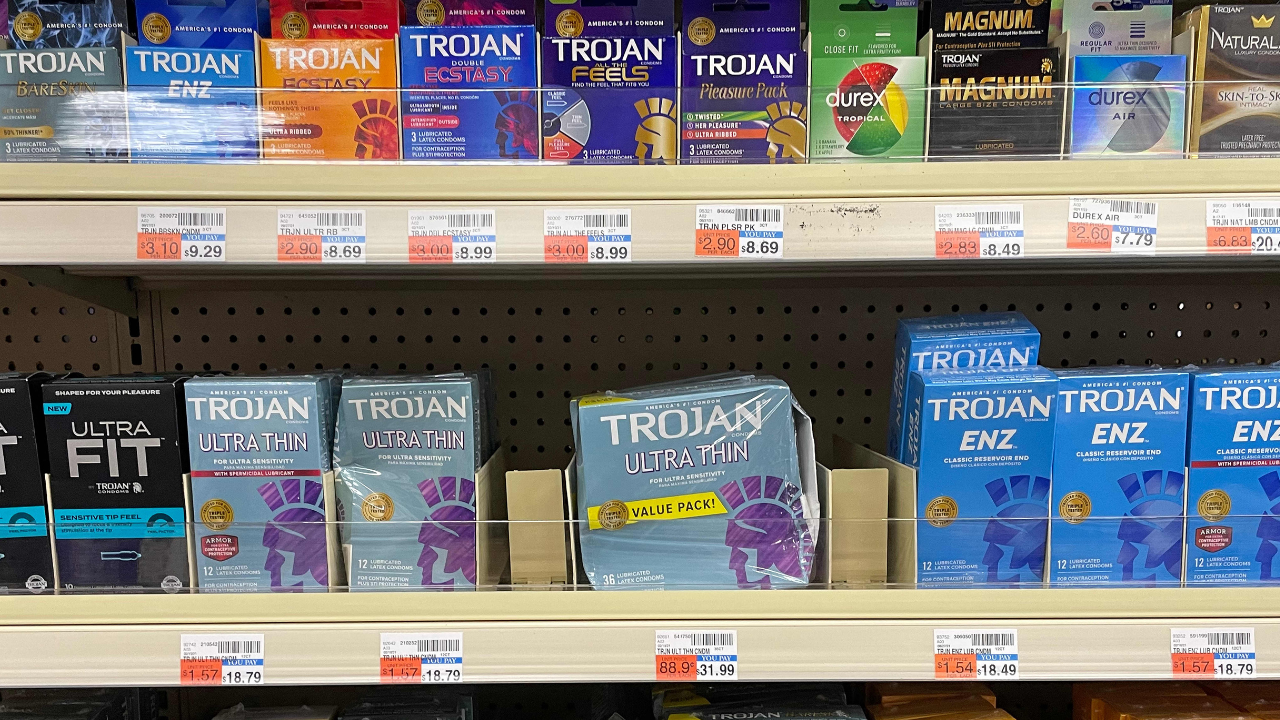
The supply chain disruptions are particularly concerning for Karex, which supplies major global brands including Trojan and Durex. Products destined for the United States and European markets now take up to two months to arrive, creating inventory shortages at retail locations. Developing countries, many already experiencing contraceptive shortages, face even longer delays.
Public health experts are raising alarms about the potential consequences. Reduced availability and higher prices for contraceptives could impact family planning initiatives and disease prevention programs in vulnerable regions. Karex’s role as a supplier to United Nations aid programs means these disruptions could affect some of the world’s most at-risk populations.
The economic ripple effects extend beyond just condoms. Karex also manufactures personal lubricants, catheters, probe covers, and medical gloves—all products that could see similar price increases as raw materials become more expensive and harder to source.
Industry analysts point out that this situation exemplifies how interconnected global supply chains have become, with regional conflicts creating widespread economic consequences. Even niche consumer products are not immune to the effects of geopolitical tensions.
For American consumers, the impact will likely be felt at retail locations within the coming months as existing inventory is depleted and replacements arrive at higher price points. Some retailers may absorb a portion of the increases initially, but industry experts expect the full 30% hike to eventually reach consumers.
The timing is particularly challenging as many economies are already grappling with broader inflationary pressures. Consumer advocacy groups have expressed concern that higher prices for essential health products could disproportionately impact lower-income individuals.
As the Iran conflict continues with no immediate resolution in sight, manufacturers and retailers across various industries are preparing for prolonged supply chain disruptions and elevated costs. For consumers, paying more for condoms may be just one of many price increases stemming from this latest global supply chain crisis.
Fact Checker
Verify the accuracy of this article using The Disinformation Commission analysis and real-time sources.

14 Comments
This is a stark reminder of how geopolitical events can have unexpected economic impacts. While the connection between Middle East tensions and condom prices may seem tenuous, it highlights the complexity of global supply chains. Careful monitoring and proactive planning will be essential to mitigate the effects.
Well said. Global interconnectedness means that seemingly isolated conflicts can have far-reaching ripple effects. Maintaining transparency and adaptability in supply chains will be crucial for companies and policymakers as they navigate these types of challenges.
I’m curious to see how condom manufacturers and distributors will respond to this potential price hike. Will they absorb the increased costs, or will they pass them on to consumers? And how might this affect family planning and public health initiatives in lower-income regions?
Those are all excellent questions. The impact on public health and family planning could be significant, especially in areas where access to affordable contraception is already limited. It will be important for stakeholders to work together to minimize disruptions.
This highlights how interconnected the global economy is. A conflict thousands of miles away can ripple through and affect the prices of everyday consumer goods. It will be important to monitor how this situation evolves and if it leads to any shortages.
Absolutely. Global supply chains are incredibly complex, and events that seem geographically distant can have surprisingly local impacts. It will be crucial for companies and consumers to stay informed.
Interesting that condom prices could be impacted by geopolitical tensions in the Middle East. I wonder how much this will affect consumers globally and if it will lead to increased demand for alternative contraceptive options.
You raise a good point. Disruptions to the supply chain for a product like condoms could have far-reaching effects, especially in developing countries where access to contraception is already challenging.
This is an unexpected consequence of the tensions in the Middle East. I wonder if there are any alternative manufacturing hubs or shipping routes that could help mitigate the impact on condom supplies and prices. Diversifying the supply chain may be crucial in situations like this.
That’s a good point. Identifying alternative sources and transportation options could help build more resilience into the condom supply chain. Proactive planning and collaboration between manufacturers, distributors, and policymakers will be key.
The potential 30% price increase for condoms is quite concerning, especially given their importance for family planning and public health initiatives. I hope manufacturers and distributors can find ways to minimize the impact on consumers, particularly in regions where access to affordable contraception is already limited.
Absolutely. Maintaining the affordability and availability of condoms is critical, as disruptions could have serious consequences for reproductive health and family planning, especially in developing countries. Collaborative efforts between all stakeholders will be essential to mitigate these types of supply chain challenges.
The potential 30% price hike for condoms is quite significant. I hope this doesn’t lead to decreased access or affordability, as that could have serious public health implications, especially in developing countries. Maintaining the availability of affordable contraception should be a priority.
I agree completely. Ensuring access to affordable contraception is a critical public health issue, and disruptions to the supply chain could have wide-ranging consequences. Stakeholders will need to work together to find solutions that protect vulnerable populations.