


Listen to the article
Haley Clashes with Trump Over Chinese Student Visa Plan
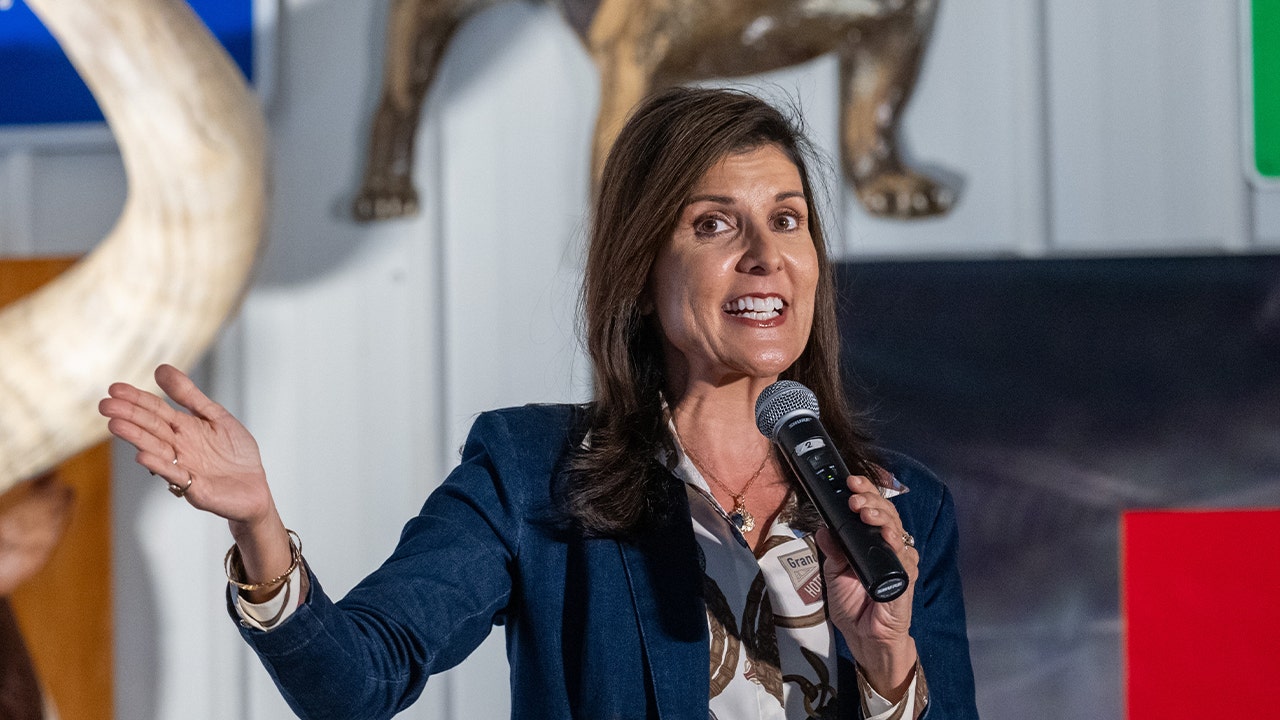
Former UN Ambassador Nikki Haley has publicly criticized President Donald Trump’s proposal regarding Chinese students in the United States, calling it a “massive mistake” that would represent “a huge gift to China and a threat to the United States.”
Haley’s unexpected critique, posted on social media platform X, surprised many conservative commentators who noted they hadn’t anticipated her taking a harder stance than Trump on issues related to China and immigration.
“I did not have Nikki Haley being to Trump’s right on immigration issues on my 2025 bingo card,” wrote S.A. McCarthy, an editor at The American Spectator magazine, reflecting the sentiment of many observers.
The controversy stems from Trump’s suggestion in August about allowing 600,000 Chinese students to study in American universities. This figure alarmed critics who have long expressed concerns about potential espionage and intellectual property theft. According to federal data, approximately 277,000 Chinese students studied in the U.S. during the 2023-2024 academic year.
The White House later clarified that the 600,000 figure represents visas over two years, essentially maintaining current admission levels rather than doubling them. Nevertheless, the policy has drawn significant pushback from within Trump’s own political base.
Economic arguments have featured prominently in the debate, with some questioning the wisdom of training foreign nationals when certain technical sectors face worker shortages. Others suggested that reducing foreign student enrollment could help lower domestic college costs through decreased demand.
“America has a shortage of workers in tech and we are training foreign nationals?” one social media user questioned, while another argued that reducing foreign student numbers could help make college more affordable for Americans.
Trump defended his position during a Fox News appearance, framing the issue in economic terms related to the sustainability of American higher education institutions.
“We do have a lot of people coming in from China. We always have — China and other countries,” Trump said. “If we were to cut that in half, which perhaps makes some people happy, you would have half the colleges in the United States go out of business. I view it as a business.”
The president added that he wants to “get along with the world” and doesn’t wish to damage America’s university system by drastically reducing international enrollment.
Fox News host Laura Ingraham challenged Trump’s position during the interview, pointing out China’s history of espionage and intellectual property theft in the United States. When Trump questioned whether French students might pose similar concerns, Ingraham firmly responded in the negative.
National security experts continue to highlight China’s 2017 National Intelligence Law, which requires all Chinese citizens and organizations to assist in intelligence gathering when requested. This legal framework has raised concerns that students and researchers could be compelled to collect sensitive information for the Chinese government while studying abroad.
The debate underscores the complex relationship between international education, economic interests, and national security considerations that the administration must navigate in its China policy. It also reveals growing tensions within the Republican party over how to approach these intersecting issues.
Fact Checker
Verify the accuracy of this article using The Disinformation Commission analysis and real-time sources.

8 Comments
This debate touches on broader tensions in US-China relations. It will be important for policymakers to carefully weigh the various strategic, economic, and academic considerations at play.
Agreed, this issue is deeply intertwined with the complex and evolving US-China relationship. Thoughtful, nuanced policies will be key.
Nikki Haley’s stance seems surprising given her generally conservative views. It will be worth watching how this issue evolves, especially with potential political implications for 2024 and beyond.
Yes, Haley’s critique of Trump on this issue is an interesting development. Curious to see if it signals a shift in her positions or just a tactical divergence on this specific policy.
Interesting debate on Chinese student visas. While national security is important, we should be careful not to overly restrict academic exchange and collaboration. A balanced approach is needed to maintain US competitiveness while addressing legitimate concerns.
Agree, this is a complex issue requiring nuanced policymaking. Overly restrictive measures could backfire and hurt US interests in the long run.
The potential for espionage and IP theft is a valid concern, but we should also consider the broader benefits of hosting international students. Finding the right balance will be crucial for the US to maintain its global leadership in science and technology.
As an alumnus of a US university, I understand the value international students bring to our campuses. However, the national security concerns raised also merit serious consideration. I hope a balanced solution can be found.