


Listen to the article
Catholic Legal Group Asks Supreme Court to Block California’s Transgender Notification Law
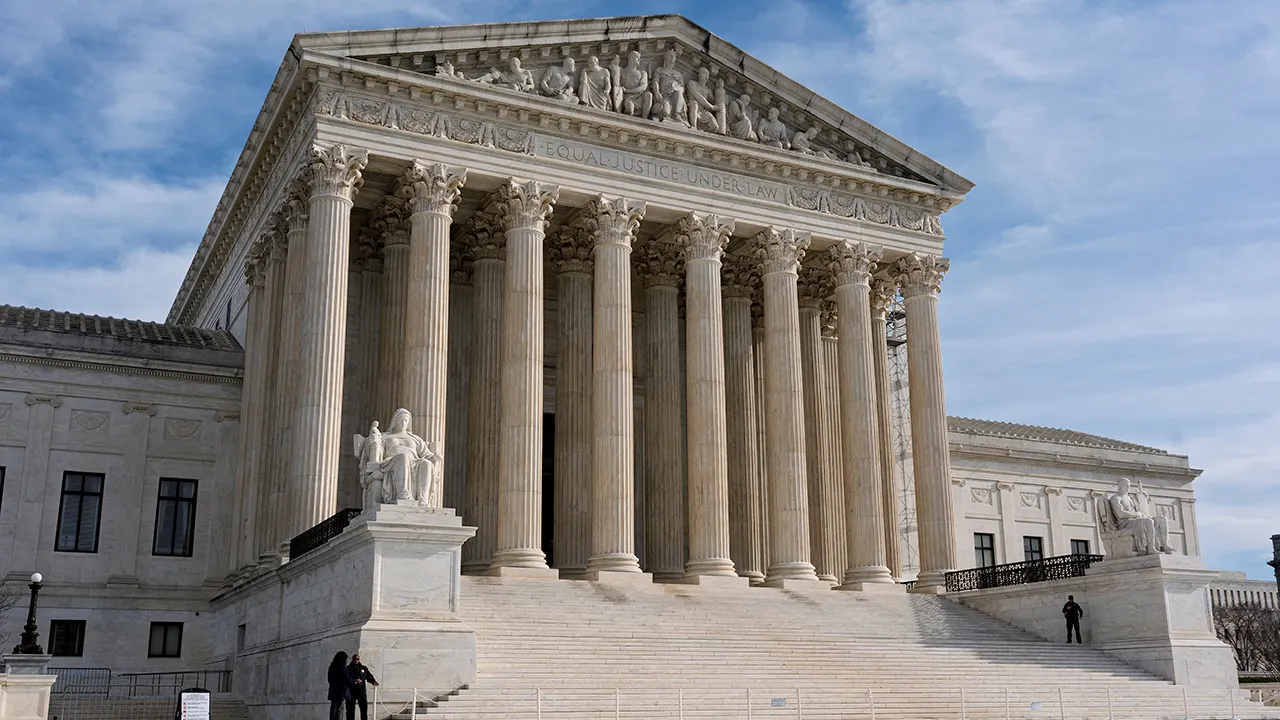
A Catholic legal group has asked the U.S. Supreme Court to block a California law that prevents public schools from notifying parents when their children identify as transgender at school.
The Thomas More Society filed an emergency appeal on Thursday seeking to reinstate a lower court ruling that had allowed parents with religious objections to opt out of the law’s restrictions. The challenged provisions specifically prohibit teachers from informing parents if a student wishes to change their pronouns or gender identity.
“Parents only relinquish authority needed for the school to carry out its ‘educational mission’… they do not delegate the authority to make decisions regarding whether their child is a boy or a girl,” attorneys for the Thomas More Society argued in their appeal.
The law, signed by California Governor Gavin Newsom in 2024 and in effect for the past year, also bars teachers from disclosing a student’s sexual orientation to parents without consent, though this provision is not the primary focus of the current legal challenge.
California implemented the measure after several school districts in the state adopted policies requiring teachers to contact parents if students wanted to change their name, pronouns, or gender identity. Critics of those district policies characterized them as “forced outing” that could put vulnerable students at risk.
The state law does include provisions allowing disclosure of a student’s gender identity in “compelling” circumstances, but opponents argue this standard is vague and insufficient to protect parental rights.
Last month, U.S. District Judge Roger Benitez issued a permanent injunction blocking key parts of the law. Benitez sided with two Escondido Union School District teachers—Elizabeth Mirabelli and Lori Ann West—who argued their district’s policies violated their constitutional and religious rights.
“Parents have a right to receive gender information and teachers have a right to provide to parents accurate information about a child’s gender identity,” Benitez wrote in his ruling. “Parents and guardians have a federal constitutional right to be informed if their public school student child expresses gender incongruence.”
However, the Ninth Circuit Court of Appeals subsequently paused Benitez’s ruling while California appeals the decision, effectively keeping the law in place for now.
In addition to seeking emergency relief from the Supreme Court, lawyers challenging the law said they plan to ask a larger panel of Ninth Circuit judges to allow Benitez’s injunction to take effect.
California Attorney General Rob Bonta’s office has indicated it will continue defending the law. “We look forward to continuing to make our case in court,” a spokesperson for Bonta’s office told POLITICO.
The case highlights the ongoing national debate over parental rights, student privacy, and gender identity issues in schools. Advocates for LGBTQ+ youth argue that such notification requirements can expose students to rejection, abuse, or homelessness if they come from unsupportive homes. Meanwhile, parental rights advocates contend that schools shouldn’t withhold significant information about children from their parents.
The dispute also occurs amid broader scrutiny of California’s education policies. In March, the Trump administration announced that the Education Department had launched an investigation into the state’s enforcement of the law, signaling federal interest in the issue.
As the case moves through the courts, it could potentially establish important precedents regarding the balance between parental authority, student privacy, and school responsibilities in handling sensitive matters related to gender identity.
Fact Checker
Verify the accuracy of this article using The Disinformation Commission analysis and real-time sources.

10 Comments
This is a complex and sensitive issue. While I understand the desire to protect student privacy, I’m not sure that blocking parental notification is the right approach. Parents have a fundamental right to be involved in their children’s upbringing.
The crux of this case seems to be where to draw the line between student privacy and parental rights. It’s a challenging question without an easy answer. I’ll be interested to see the Court’s reasoning and ultimate decision.
The Catholic group’s appeal raises some valid points about parental rights. However, the law also aims to protect vulnerable students. Hopefully the Supreme Court can find a reasonable compromise that balances these competing interests.
This is a complex and contentious issue that pits student privacy against parental rights. I’m curious to see how the Supreme Court navigates this delicate situation and provides guidance for schools and families going forward.
I’m curious to see how the Supreme Court rules on this case. There are important principles of privacy, parental rights, and student welfare at stake. It will be interesting to see how the justices weigh these competing interests.
The Catholic group’s appeal highlights the difficult tradeoffs involved. While student privacy is critical, parents also have a legitimate interest in being informed about their child’s gender identity. I’m curious to see how the court navigates this delicate issue.
The Catholic group’s appeal raises some valid concerns about parental rights. However, the law also aims to protect vulnerable students. There may be a balance to be struck that respects both parental and student interests.
This is a challenging issue without easy answers. On one hand, students should feel safe and supported at school. On the other, parents have a right to be informed about major decisions involving their children. I hope the court can find a reasonable compromise.
This is a contentious and emotionally-charged topic. I hope the Supreme Court can provide clarity and a balanced solution that respects the rights and needs of both students and parents.
This is a sensitive and politically-charged topic. I hope the Supreme Court can provide a thoughtful, principled ruling that respects the concerns of all stakeholders – students, parents, and schools.