


Listen to the article
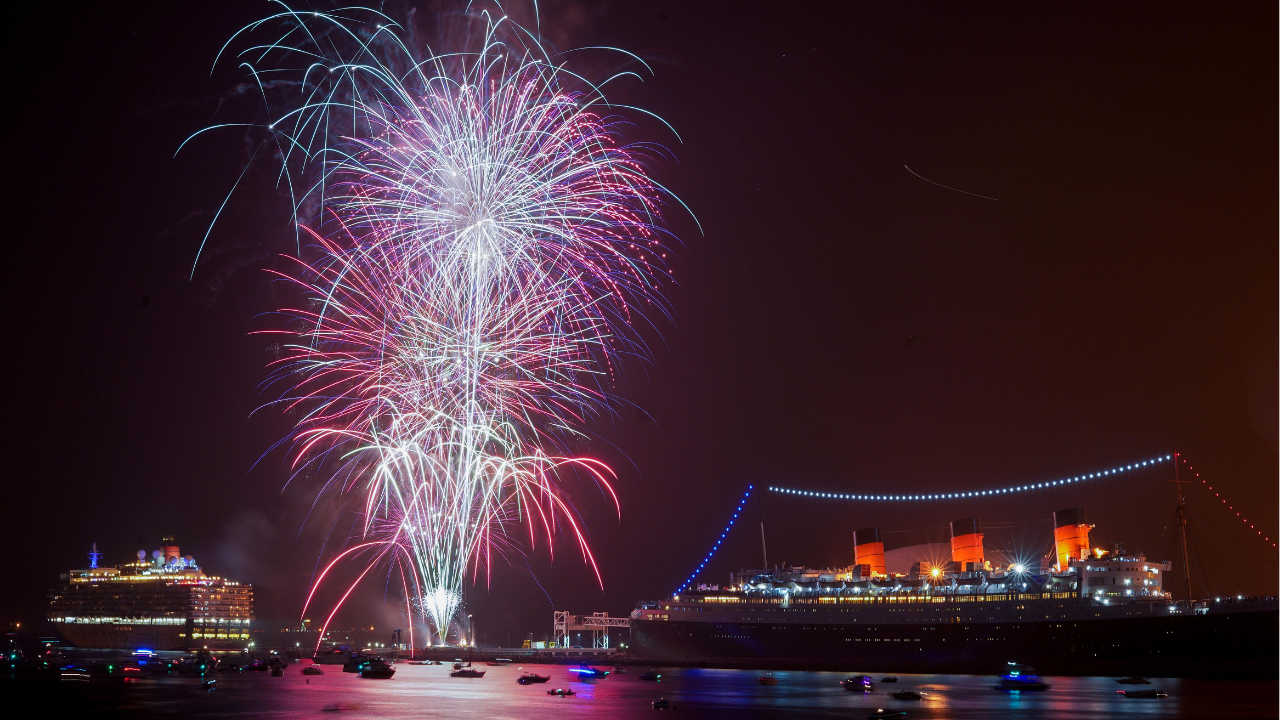
A decades-old Fourth of July tradition that has raised millions for children’s programs in Long Beach, California has been canceled after the California Coastal Commission rejected final appeals to keep it alive, citing environmental concerns for the bay.
John Morris, a 78-year-old Long Beach resident and business owner who organizes the annual July 3rd fireworks display, had planned an enhanced celebration this year to commemorate America’s 250th Independence Day. Instead, the community faces disappointment as regulators stood firm in their decision to deny the permit.
“We’ve raised over the past 14 years $2 million for kids programs here in Long Beach,” Morris told reporters, emphasizing that the event is funded entirely by the local community. “This community pays for everything — everything. City fees, and the city doesn’t give us a break. We pay $20,000 to the city for police and fire, which I’m fine with, because there’s 100,000 people enjoying the fireworks.”
The Coastal Commission had warned Morris last year that 2025 would likely be the final year for fireworks at the event, urging a switch to drone shows they consider more environmentally friendly. However, the commission’s January staff rejection and unanimous vote last week to uphold that decision despite appeals from local, state, and federal officials came as a surprise to organizers.
Morris expressed frustration at what he sees as inconsistent application of environmental standards. He pointed out that the same commission granted SeaWorld a permit allowing up to 40 nights of fireworks in Mission Bay.
“They get 40 nights in Mission Bay. All I’m asking for is 20 minutes — it doesn’t make any sense,” Morris said.
The organizer, who owns the Boathouse on the Bay restaurant, challenged the environmental concerns cited by regulators. “We’ve had 10 years of environmental studies,” Morris explained. “We test the water before and after the fireworks and send a robotic camera into the bay to check for debris — there’s never been any. It’s been spotless.”
Morris added that the event has conducted eight years of bird monitoring to ensure wildlife protection. “We’ve never had an issue. We’ve never been written up one time. So what is it really about?”
Joshua Smith, a California Coastal Commission spokesman, defended the decision, telling reporters that permits are determined case by case, citing environmental concerns to “protect the bay.” Smith confirmed that Morris was approved for a permit to hold a drone show instead of fireworks.
However, Morris noted that a drone show would cost approximately $200,000 — about four times the cost of traditional fireworks — making it financially unfeasible for the community-funded event. When questioned about the apparent inconsistency between the Long Beach decision and SeaWorld’s approval, Smith reiterated that decisions are made individually but declined to elaborate further.
The cancellation comes as municipalities across California face increasing environmental restrictions on traditional celebrations. Several coastal communities have moved toward drone shows, which produce no smoke, debris, or loud noises that can disturb wildlife and marine environments. Environmental advocates have long pointed to concerns about chemical residues from fireworks polluting waterways and air quality issues from the resulting smoke.
The decision has sparked debate within the Long Beach community about balancing environmental protection with cherished traditions. Local business owners who benefit from the influx of visitors during the celebration are particularly concerned about potential economic impacts.
Morris emphasized that the loss extends beyond the visual spectacle. “This event brings the community together and directly funds programs that benefit local children,” he said. “Families have made this an annual tradition for generations.”
As the nation prepares to celebrate its milestone 250th Independence Day, the Long Beach case highlights the evolving tensions between traditional celebrations and growing environmental concerns in coastal communities across America.
Fact Checker
Verify the accuracy of this article using The Disinformation Commission analysis and real-time sources.

6 Comments
Wow, this is really surprising. I would have thought there could be a way to accommodate this longstanding July 4th celebration, especially since it’s a charity event that has raised millions for kids’ programs. The environmental concerns are understandable, but it seems like a shame to completely shut it down.
I can understand the Coastal Commission’s desire to be environmentally responsible, but this seems like a heavy-handed decision that denies the community a chance to celebrate the 250th anniversary of America’s independence. Hopefully they can find a solution that balances those concerns with the public’s interests.
This is an unfortunate decision by the California Coastal Commission. Fireworks displays have been a cherished tradition for communities across America. I hope they can find a compromise solution that balances environmental concerns with the public’s desire to celebrate patriotic events.
It’s a shame the regulators couldn’t find a way to accommodate this long-running charity event that has raised millions for children’s programs. I understand the environmental worries, but it seems like they could have worked with the organizers on adjustments rather than outright banning the fireworks.
While I respect the Coastal Commission’s focus on environmental protection, this decision seems overly restrictive. Fireworks displays can be managed responsibly, and this event raises significant funds for important community programs. I hope they reconsider for the 250th anniversary celebration.
The regulators’ decision is disappointing. This fireworks show has been an annual tradition that brings the community together and supports valuable local charities. I’m curious to hear more about the Commission’s reasoning and whether any compromise solutions were explored.