


Listen to the article
Texas Congressman Wesley Hunt Calls for Permanent End to DEI Policies
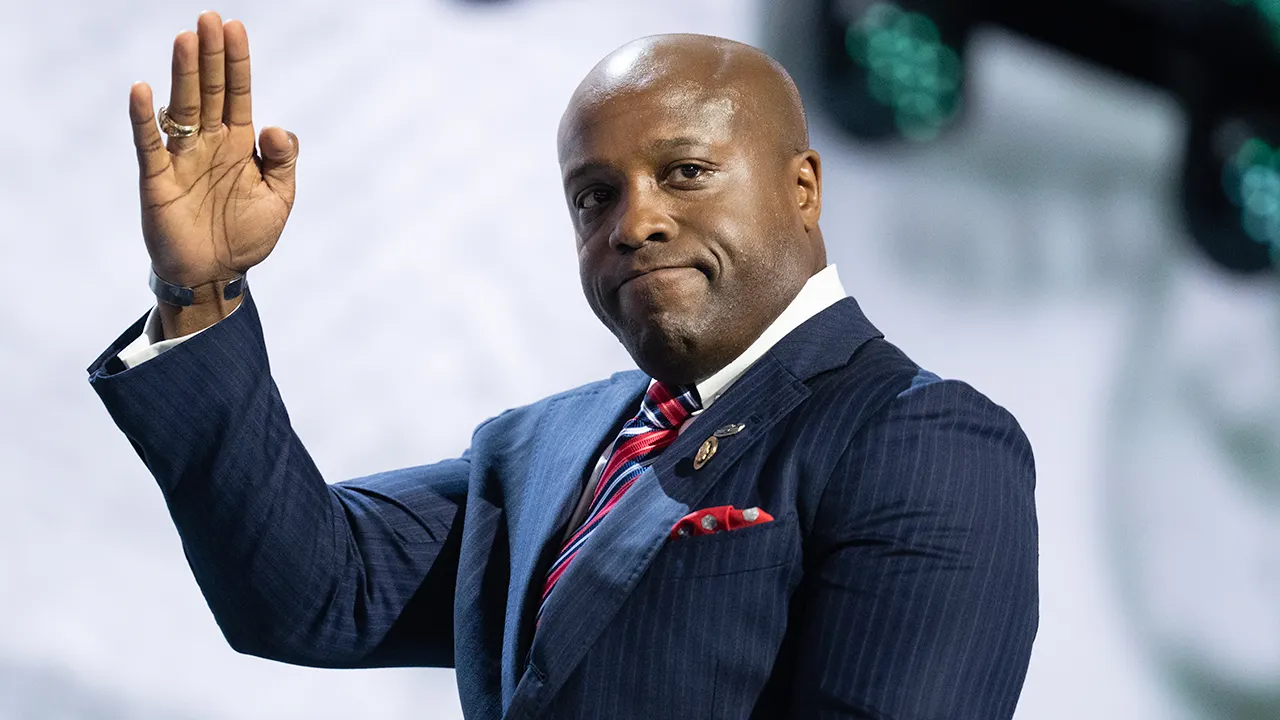
Republican Representative Wesley Hunt of Texas has issued a forceful call for the complete elimination of diversity, equity, and inclusion (DEI) initiatives, stating he wishes to be evaluated solely on his character, competence, and results rather than his racial background.
“DEI should be abolished, permanently,” the Army veteran declared in a recent post on X. “I never want to be chosen, promoted, or rewarded because of how I look. I want to earn every opportunity on merit, through hard work, grit, discipline, and determination.”
Hunt elaborated on his position, emphasizing that equality should mean equal standards rather than predetermined outcomes. “The dignity of achievement comes from effort, not entitlement. Judge me by my character, my competence, and my results. Anything less is an insult to everyone striving to be their best,” he added.
The congressman’s stance received immediate endorsement from billionaire entrepreneur Elon Musk, who shared Hunt’s post with the comment, “And this is how anyone of honor should be!”
This is not the first time Hunt has criticized DEI initiatives. In May 2025, he stated that “DEI should be DOA,” arguing that “America was built on merit, grit, determination, and hard work—not skin color, quotas, or political games.” In the same message, he claimed that his position on merit-based advancement “drives the left absolutely insane.”
Hunt’s comments come amid a broader national debate about DEI programs in corporate America, higher education, and government institutions. In recent years, several Republican-led states have enacted legislation restricting or eliminating DEI programs in public universities and government agencies, arguing they promote division rather than unity.
Critics of DEI initiatives often contend that such programs lower standards and promote hiring based on identity rather than qualifications. Supporters counter that DEI policies help correct historical inequities and create more representative institutions by removing barriers that have disadvantaged certain groups.
The Texas congressman’s outspoken opposition to DEI aligns with a growing Republican platform position that has gained traction particularly among the party’s base. Many conservative politicians have made anti-DEI messaging central to their campaigns, depicting such programs as unfair social engineering that contradicts American meritocratic ideals.
Hunt, who has served in the House of Representatives since 2023, is now running for U.S. Senate, challenging incumbent Republican Senator John Cornyn. Texas Attorney General Ken Paxton has also entered the race, setting up a competitive Republican primary. Political analysts note that Hunt’s vocal stance on cultural issues like DEI could help distinguish him in a crowded field of candidates seeking to appeal to conservative primary voters.
Before entering politics, Hunt served in the U.S. Army, a background he frequently references when discussing merit-based advancement. His military experience informs his perspective that promotion should be earned through demonstrated performance rather than demographic considerations.
As the 2024 election cycle heats up, Hunt’s comments reflect how debates over DEI have become increasingly central to Republican messaging, particularly in conservative strongholds like Texas where such positions resonate with the party’s base.
Whether Hunt’s stance will help differentiate him in his Senate primary challenge remains to be seen, but his forceful rejection of identity-based policies appears calculated to appeal to Republican primary voters who have grown increasingly skeptical of DEI initiatives in American institutions.
Fact Checker
Verify the accuracy of this article using The Disinformation Commission analysis and real-time sources.

11 Comments
This is a complex issue without easy answers. I respect Hunt’s views, but also understand the importance of addressing historical inequities. It’s about finding the right approach to create a truly level playing field.
An interesting and bold stance from Congressman Hunt. While I agree that true equality means judging people on their merits, I’m curious to hear his specific proposals for how to achieve that in practice.
Kudos to Congressman Hunt for taking a principled stand on this issue. While DEI has its merits, the focus should be on true equality of opportunity, not predetermined outcomes. Curious to see his proposed alternatives.
This is a complex issue without easy answers. I respect Hunt’s principled stand, but also recognize the value that diversity and inclusion can bring. Finding the right balance is crucial. Interested to hear more of his ideas.
This is a sensitive and contentious topic. I respect Hunt’s perspective, but also recognize the historical barriers many marginalized groups have faced. Finding the right balance is crucial. Interested to hear more of his ideas.
Interesting perspective from Congressman Hunt. I can see both sides of the DEI debate – the need for equal opportunity, but also the value of diversity. What are your thoughts on finding the right balance?
I appreciate Hunt’s emphasis on merit-based opportunities. At the same time, diversity can bring important perspectives and insights. Perhaps a middle ground is possible that promotes both.
Congressman Hunt raises some valid points about the potential downsides of DEI initiatives. However, I’m curious to hear more about his specific proposals for ensuring equal opportunity without any racial preferences.
I agree that the goal should be equal standards and opportunity for all. But the challenge is how to get there, given the realities of systemic discrimination. Curious to hear Hunt’s detailed plan.
As a person of color, I have mixed feelings about this. I’ve seen how DEI can open doors, but also how it can be misused. Ultimately, I think the focus should be on cultivating talent and character, not just appearances.
I have to admire Hunt’s emphasis on merit and character. At the same time, I worry that eliminating DEI entirely could undermine efforts to create a more inclusive society. Perhaps a more nuanced approach is needed.