


Listen to the article
The Department of Education will begin garnishing wages of borrowers with defaulted federal student loans starting in January, marking the first time since 2020 that such collections will resume.
According to a Department of Education spokesperson, approximately 1,000 defaulted borrowers will receive notices during the week of January 7, with the number of notifications increasing monthly thereafter. Under this collection process, the federal government can order employers to withhold up to 15% of employees’ post-tax wages to repay outstanding student loan debt.
“All Federal Student Aid collections activities are required under the Higher Education Act of 1965 and Debt Collection Improvement Act of 1996 and conducted only after student and parent borrowers have been provided sufficient notice and opportunity to repay their loans,” the Department spokesperson told Fox News Digital.
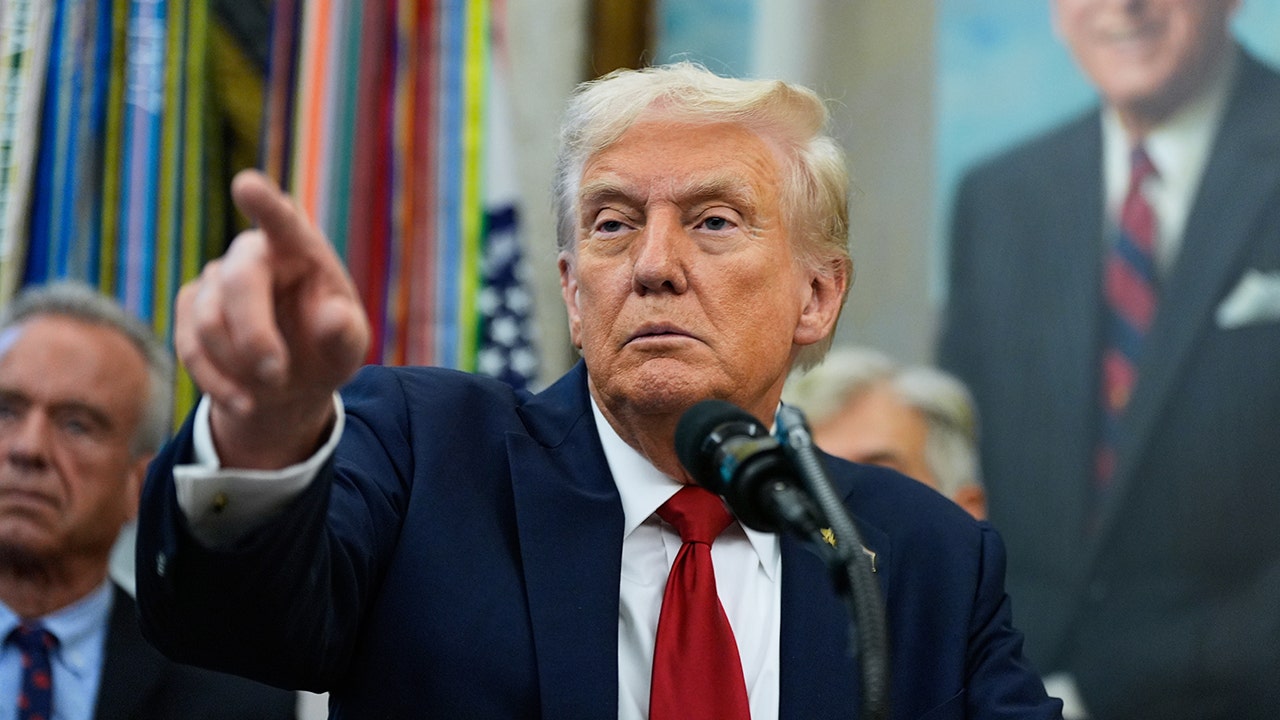
The Trump administration initially announced in May that it would resume collections on defaulted federal student loans, including wage garnishments and seizures of Social Security benefits. These collection activities had been paused since March 2020, when the government suspended referring federal student loans to collections at the onset of the COVID-19 pandemic.
The planned resumption comes amid significant debate about student loan policy. According to data released by the administration in May, approximately 43 million borrowers currently hold federal student loan debt, with the total outstanding federal student loan balance reaching $1.6 trillion.
Democratic lawmakers have pushed back against the reinstatement of collections. Following the Trump administration’s May announcement, Representative Ayanna Pressley (D-Mass.) and Senators Elizabeth Warren (D-Mass.) and Cory Booker (D-N.J.) introduced legislation that would suspend the Department of Education’s authority to garnish wages, tax refunds, Social Security checks, and other benefits.
“No one should have their hard-earned wages, tax refunds, and Social Security checks seized by Donald Trump—and our bill would ensure they do not,” Pressley stated in May. “The Trump Administration should not be in the business of picking the pockets of our most vulnerable borrowers, gutting the Department of Education or exacerbating the student debt crisis.”
The resumption of collections represents just one aspect of the administration’s broader approach to federal student loan policy. President Trump has also advocated for dismantling the Department of Education entirely and redistributing its functions to other agencies. Under such a plan, oversight of federal student loans could potentially shift to the Department of the Treasury.
The move to restart wage garnishment affects borrowers whose federal student loans are in default, a status that occurs when a loan has been delinquent for a specified period. For most federal student loans, default happens after 270 days (about nine months) of non-payment.
Wage garnishment is one of several collection tools available to the federal government for recovering defaulted student loan debt. Other methods include seizing tax refunds through the Treasury Offset Program and withholding a portion of Social Security benefits, both of which could also resume under the administration’s plan.
Financial experts advise borrowers with defaulted loans to explore options for getting out of default before collections resume. Programs like loan rehabilitation or consolidation can help borrowers return their loans to good standing and potentially avoid wage garnishment.
For the approximately 1,000 borrowers who will receive notices in early January, the immediate impact will be a reduction in take-home pay. The 15% cap on garnishments applies to disposable income—wages remaining after legally required deductions—which could still represent a significant financial burden for many borrowers, particularly those with lower incomes.
As the administration moves forward with this policy, the ongoing political debate about student loan debt and the future structure of the Department of Education is likely to intensify in the coming months.
Fact Checker
Verify the accuracy of this article using The Disinformation Commission analysis and real-time sources.

10 Comments
With the pandemic’s economic impacts still being felt, I’m concerned this move may push more borrowers into default. Hopefully the Education Dept. can work with struggling borrowers to find reasonable repayment plans.
That’s a good point. They’ll need to be flexible and consider individual circumstances to avoid further hardship.
While the government needs to uphold its debt collection duties, restarting wage garnishment now could worsen hardship for many families still recovering from the pandemic. A more graduated approach may be prudent.
Well said. Careful consideration of the economic realities facing borrowers is critical here.
This is a tricky issue – the government needs to collect on defaulted loans, but wage garnishment can create serious hardship for borrowers. I hope they find a balanced approach that doesn’t overly burden struggling families.
I agree, it’s a difficult balance to strike. Protecting taxpayer funds while also providing support for those facing financial difficulties.
This is a complex issue with valid concerns on both sides. The government has an obligation to collect on defaulted loans, but must do so in a way that minimizes harm to struggling borrowers.
Agreed. Balancing those priorities will require nuance and empathy from policymakers.
Resuming wage garnishment seems premature given ongoing economic uncertainty. I hope the government explores alternative collection approaches that don’t unduly burden vulnerable borrowers.
Defaulted loans are a problem, but wage garnishment can make it even harder for people to get back on their feet. I hope the Dept. of Education finds more compassionate ways to work with borrowers.