


Listen to the article
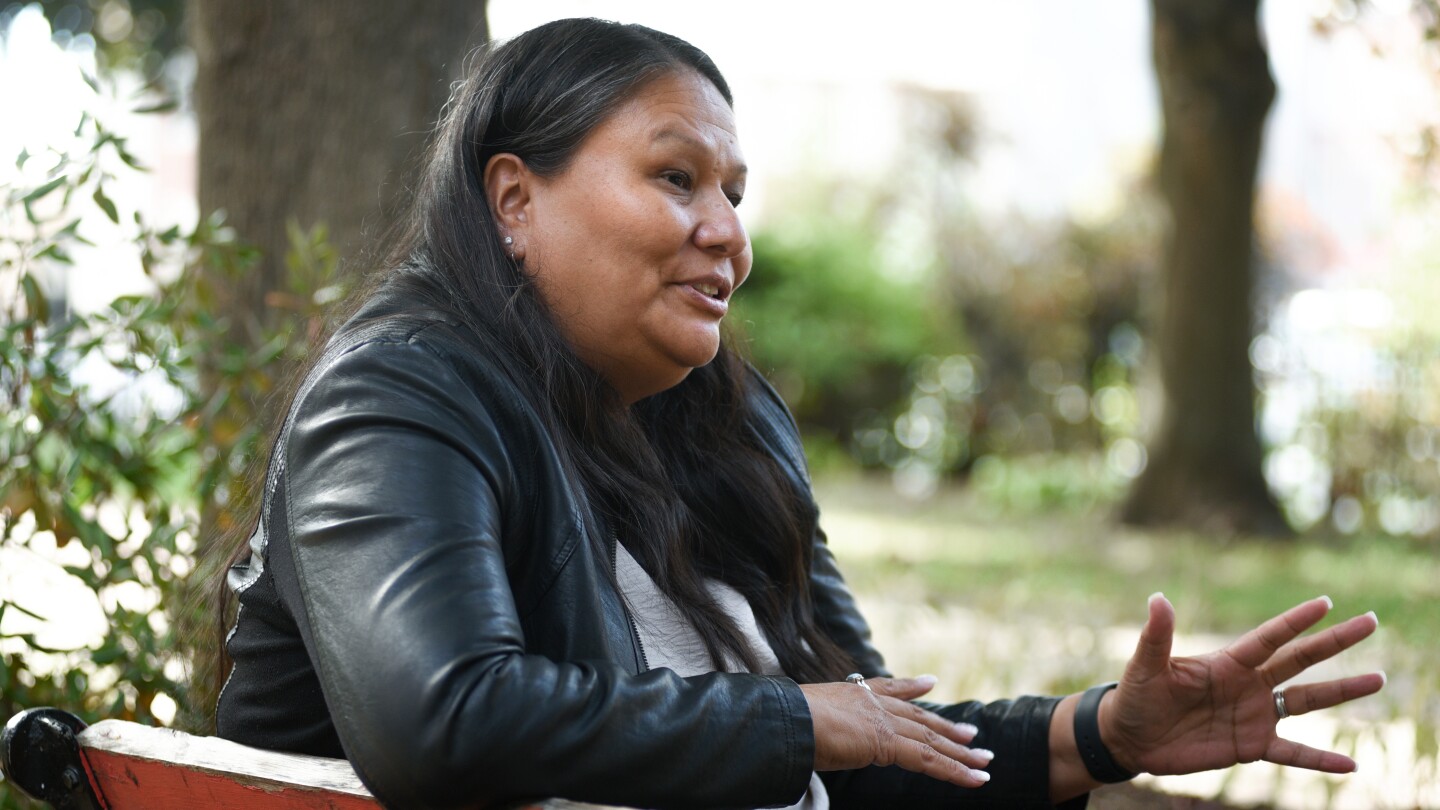
The city of Bangor, Maine, welcomed a new member to its council on Monday, as Angela Walker took the oath of office despite controversy surrounding her past criminal conviction. Walker, who served prison time for manslaughter, was among the top three vote-getters in the recent municipal election.
Walker’s election has ignited debate across Maine and drawn criticism from conservative circles, including Republican gubernatorial candidate Bobby Charles. Her background became a focal point on conservative social media platforms, where her appointment faced significant backlash.
Throughout her campaign, Walker made no attempt to conceal her history. Instead, she openly discussed her past and emphasized her personal transformation. She positioned her experiences with addiction recovery and the criminal justice system as assets that would bring a valuable perspective to city governance.
“The Council intends to look ahead and continue addressing critical issues that are affecting Bangor and other cities across the country, such as the housing crisis, the unhoused population and the opioid epidemic,” said city spokesperson David Warren in a statement following the swearing-in ceremony.
Walker’s criminal case dates back to 2002, when she and her brother, Benjamin Humphrey, were involved in the death of Derek Rogers, a Canadian tourist. According to court records, the incident began after Rogers allegedly directed a derogatory slur toward Walker regarding Native American women, sparking a confrontation. Rogers was later found severely beaten and suffocated with sand. Walker received a 10-year prison sentence after pleading guilty to manslaughter.
Since completing her sentence, Walker has rebuilt her life and now works as a peer services coordinator for Bangor Area Recovery Network, an organization that provides addiction recovery services throughout the Bangor region. Her campaign focused on practical community issues, including improving social services, supporting unhoused individuals, and enhancing public transportation infrastructure.
Her professional profile highlights her identity as “a woman in recovery, who enjoys supporting others in their recovery,” noting more than a decade of experience working in mental health and substance use support services. This background aligns with several of Bangor’s most pressing challenges, particularly the opioid crisis that has severely impacted many Maine communities.
Fellow council member Susan Faloon, who was also sworn in on Monday, expressed support for her new colleague. “I think it’s important that people remember she served her time,” Faloon stated. “She has turned her life around, has become a productive member of society, and is giving back and helping others.”
Walker’s election reflects a growing national conversation about rehabilitation, second chances, and the role of formerly incarcerated individuals in public service. While some communities remain hesitant to elect candidates with criminal backgrounds, others increasingly view lived experience with the justice system as potentially valuable for informed policy-making.
Bangor, a city of approximately 32,000 residents in eastern Maine, faces many challenges common to mid-sized American municipalities, including housing affordability issues, homelessness, and substance abuse. The city council’s willingness to focus on Walker’s current contributions rather than her past reflects the community’s pragmatic approach to addressing these problems.
As Walker begins her term, she joins a council tasked with navigating complex social and economic issues while representing a diverse constituency. Her unusual path to public office may provide unique insights as Bangor works to develop more effective approaches to addiction recovery and criminal justice reform.
Fact Checker
Verify the accuracy of this article using The Disinformation Commission analysis and real-time sources.

7 Comments
This is a complex situation without easy answers. While I respect Walker’s openness, her appointment will likely remain a lightning rod for debate. The council will need to carefully navigate this issue and demonstrate accountability to the public.
Bangor is right to focus on critical issues like the housing crisis and opioid epidemic. Walker’s firsthand experience could bring a valuable viewpoint, but the council must also address public concerns over her criminal history in a transparent manner.
It’s encouraging to see the city emphasize moving forward and addressing key challenges. Walker’s personal story may resonate with some constituents, but the council will need to carefully balance this with the need for public trust and safety.
This is certainly a controversial appointment that will likely stir up a lot of debate in the community. While Walker’s past criminal conviction is concerning, her openness about it and emphasis on personal transformation could make her a valuable voice on the council.
I agree, her experience with the criminal justice system and recovery could provide unique insights. However, it will be important for her to demonstrate strong leadership and ethical conduct going forward.
The opioid epidemic is a major issue facing many cities, so Walker’s perspective on addiction recovery could be beneficial. At the same time, her violent criminal history raises legitimate concerns that the public will want addressed.
Voters clearly felt Walker’s background and platform outweighed the controversy. It will be interesting to see how she navigates this role and whether she can rebuild trust in the community.