


Listen to the article
Bahrain Revokes Citizenship of 69 People Over Pro-Iran Activities
Bahrain has stripped 69 people of their citizenship, accusing them of promoting pro-Iranian sentiment online and maintaining ties with foreign entities. The move represents the latest application of the kingdom’s controversial nationality law that permits authorities to revoke citizenship on security grounds.
The interior ministry stated that those affected, including some family members of the accused, had allegedly “glorified” hostile Iranian actions. Officials specified that the individuals targeted were all of “non-Bahraini origin,” typically referring to naturalized rather than native-born citizens.
The citizenship revocations follow a recent directive from Bahrain’s King Hamad bin Isa Al Khalifa ordering officials to act against those who “betrayed the nation” or undermined its security and stability. The directive specifically called for reviewing whether certain individuals should retain their Bahraini nationality.
In a separate but related development, Bahraini courts handed down severe sentences in cases involving alleged Iranian espionage. Five people received life imprisonment while 25 others were sentenced to 10 years each on spying charges. An additional 25 individuals received decade-long sentences for allegedly supporting Iran’s “terrorist acts” in Bahrain.
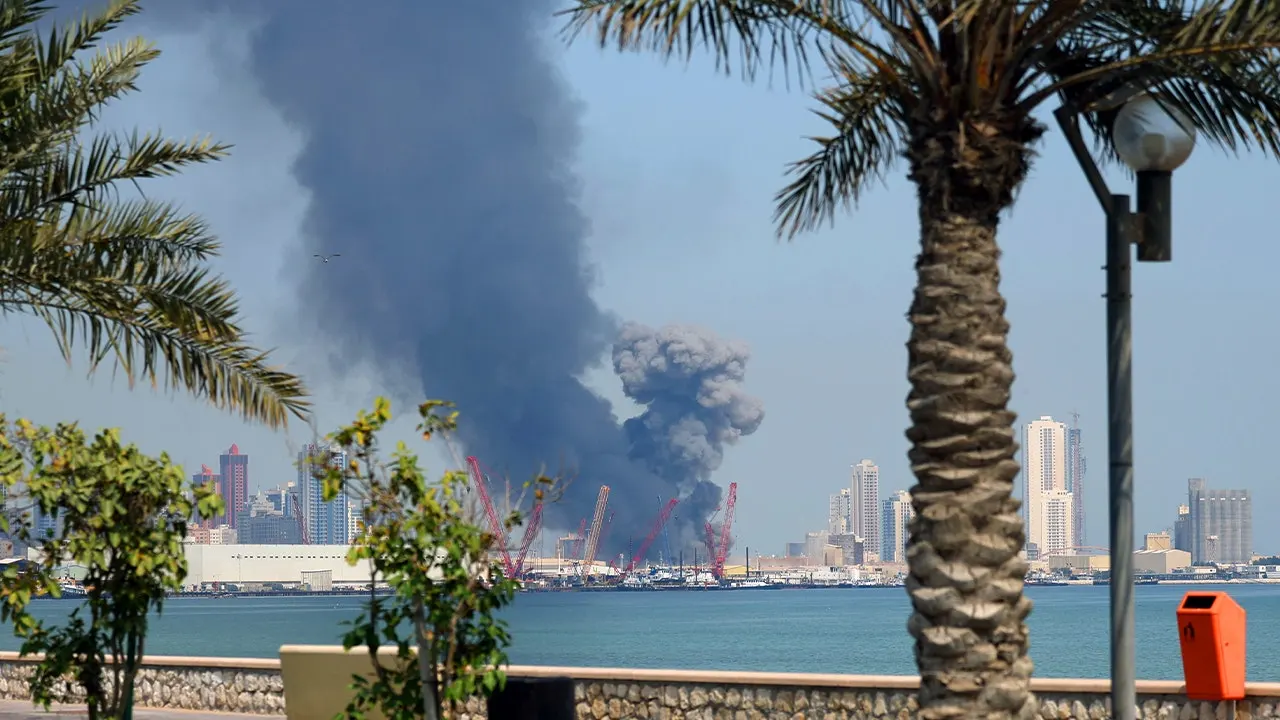
These measures come at a time of heightened regional tensions, as Bahrain deals with the aftermath of recent Iranian missile and drone strikes across the Gulf, including attacks targeting U.S. military assets stationed in the kingdom. Bahrain hosts the U.S. Navy’s Fifth Fleet, placing it on the frontlines of current regional confrontations.
Relations between Bahrain and Iran have long been strained, with the two countries severing diplomatic ties in 2016. Bahraini authorities regularly accuse Iran of backing militant networks and fomenting unrest within the small island kingdom. The country is home to a significant community of citizens of Iranian descent, known locally as the Ajam, estimated to number in the hundreds of thousands.
The citizenship revocations are part of a broader crackdown on what Bahraini officials describe as Iranian influence operations. Authorities have arrested individuals accused of sharing videos of Iranian strikes, posting pro-Iran content on social media, or communicating with foreign groups. Bahrain has also reported uncovering cells allegedly linked to Iran’s Islamic Revolutionary Guard Corps, which officials claim were tasked with gathering intelligence on sensitive sites within the kingdom.
The legal basis for the revocations comes from Article 10(3) of Bahrain’s nationality law, which allows authorities to strip citizenship from individuals deemed to have harmed the kingdom’s interests or violated their duty of loyalty. Critics have argued that such laws are applied with limited legal safeguards or rights to appeal.
Similar security measures have been implemented across the Gulf region since the escalation of regional conflicts. Hundreds of people have reportedly been arrested in countries including the United Arab Emirates for posting videos, images, or commentary about Iranian attacks. Authorities have cited national security concerns, warning that even sharing footage of strikes could expose sensitive information or fuel domestic unrest.
The citizenship revocations reflect a broader trend across Gulf states of governments tightening nationality rules citing security grounds. Kuwait, for example, has reportedly revoked citizenship from more than 70,000 people since 2024, with officials there stating the program aims to address fraudulent citizenship claims.
Human rights organizations have voiced concerns about these practices. The Bahrain Institute for Rights and Democracy has criticized the move, with advocacy director Sayed Ahmed Alwadaei calling it “the beginning of a dangerous era of repression” and noting that such decisions were being imposed without adequate legal protections or appeal mechanisms.
As regional tensions continue, these citizenship revocations highlight the complex interplay between national security concerns, ethnic demographics, and citizenship rights in the Gulf states.
Fact Checker
Verify the accuracy of this article using The Disinformation Commission analysis and real-time sources.

11 Comments
This crackdown by Bahrain on alleged pro-Iranian activities seems like a concerning move, though the details are unclear. Revoking citizenship is a very serious action that can leave people stateless. I hope the process is fair and transparent.
Agreed, citizenship revocation is a heavy-handed tactic that can have severe consequences for individuals. More context on the specific allegations would be helpful to assess the legitimacy of these actions.
This crackdown by Bahrain raises serious human rights concerns. Revoking citizenship is an extremely serious step that can leave individuals stateless. While national security is important, the lack of transparency around the specific allegations is worrying. I hope Bahrain is proceeding cautiously and respecting due process.
The details around these citizenship revocations are still murky. Bahrain claims the individuals were promoting pro-Iranian sentiment, but the specifics are unclear. I’d like to see more transparency from the government on the evidence and due process involved.
Tensions between Bahrain and Iran have been high for some time. While national security is important, this citizenship crackdown raises human rights questions. I wonder if there are alternative ways to address concerns around foreign influence without resorting to such punitive measures.
That’s a fair point. Balancing national security and individual rights can be tricky, but citizenship revocation should be an absolute last resort. Hopefully Bahrain is pursuing all other options before taking such a drastic step.
Citizenship revocation is an extreme measure that can leave people stateless. While Bahrain cites national security concerns, the lack of transparency around the specific allegations is troubling. I hope the authorities are proceeding carefully and respecting fundamental human rights.
Agreed, the lack of transparency is a major issue here. Citizenship is a fundamental right, and revoking it should only be done in the most extreme circumstances with robust due process. More information is needed to assess the legitimacy of Bahrain’s actions.
This seems like a concerning development in Bahrain’s crackdown on perceived Iranian influence. Revoking citizenship is a very serious measure that can leave people stateless. I hope the Bahraini authorities are proceeding cautiously and respecting human rights.
Agreed, this is a heavy-handed tactic that should be used sparingly, if at all. The lack of transparency around the specific allegations is worrying. Citizenship is a fundamental right that should not be stripped away lightly.
Bahrain’s move to revoke the citizenship of 69 people over alleged pro-Iranian activities raises significant human rights concerns. While national security is important, stripping individuals of their citizenship can have devastating consequences. More information is needed on the due process and evidence involved.