


Listen to the article
New York Mayor-elect Calls for Starbucks Boycott Amid Major Union Strike
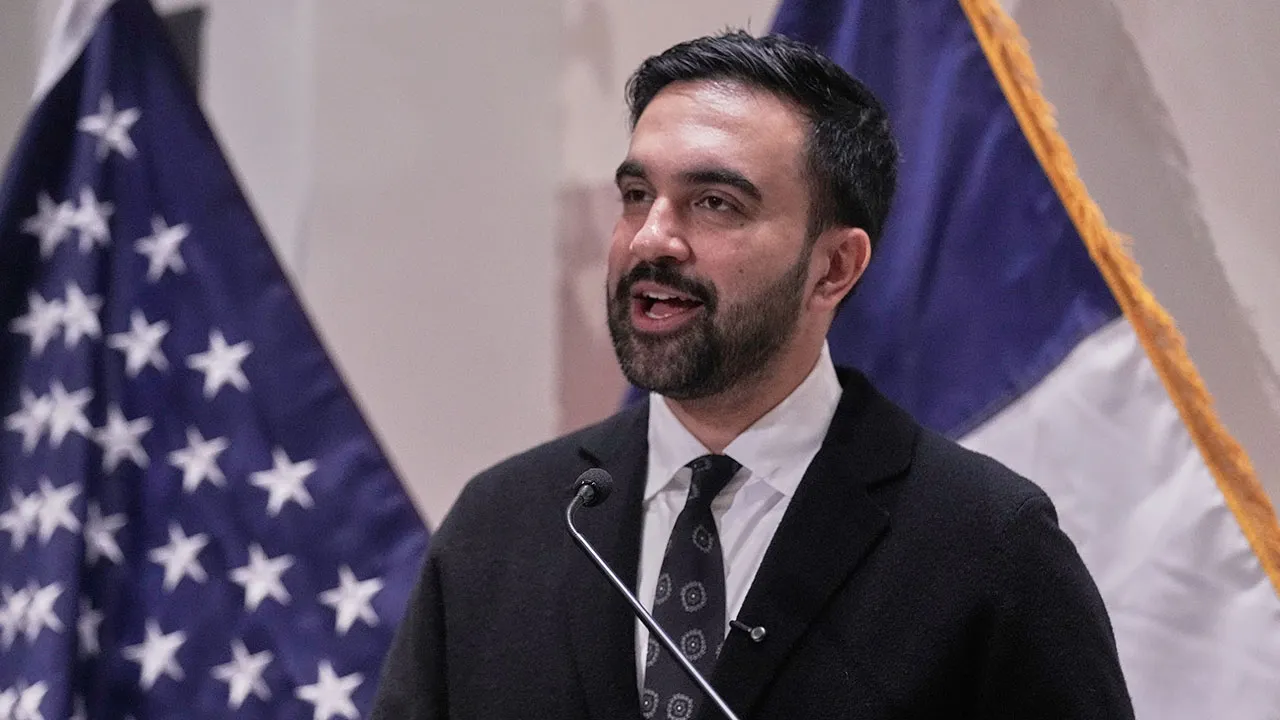
New York Mayor-elect Zohran Mamdani has urged his more than one million X followers to boycott Starbucks in support of striking workers across the country.
“Starbucks workers across the country are on an Unfair Labor Practices strike, fighting for a fair contract,” Mamdani wrote on Thursday. “While workers are on strike, I won’t be buying any Starbucks, and I’m asking you to join us. Together, we can send a powerful message: No contract, no coffee.”
The 34-year-old mayor-elect’s call for action coincided with Starbucks Workers United announcing an open-ended strike dubbed the “Red Cup Rebellion.” The labor action strategically began on Starbucks’ popular Red Cup Day, when customers typically line up for free reusable holiday cups, making it one of the company’s busiest days of the year.
“As of today, Starbucks workers across the country are officially ON STRIKE,” the union declared on social media. “And we’re prepared for this to become the biggest and longest ULP strike in Starbucks history.”
The union is encouraging consumers to support their cause with the hashtag #NoContractNoCoffee and asking the public not to purchase Starbucks products for the duration of the strike.
Labor experts note this strike represents a significant escalation in the ongoing conflict between Starbucks and its unionized workforce. Since late 2021, workers at more than 400 Starbucks locations have voted to unionize, but negotiations for first contracts have been contentious and prolonged.
The labor action comes at a critical time for the Seattle-based coffee giant. Starbucks has recently faced challenges including slowing sales growth, particularly in the U.S. market where same-store sales fell 2% in the most recent quarter. The company has also been navigating leadership changes, with CEO Laxman Narasimhan implementing new policies that some workers claim have increased pressure on staff.
One Chicago barista recently made headlines by claiming Starbucks workers are being “verbally abused” under new corporate policies, highlighting the tension between management directives and frontline employee experiences.
Mamdani’s support for the strike aligns with his progressive political background. The Democratic socialist secured a surprising victory in New York’s mayoral race earlier this month, defeating former New York Governor Andrew Cuomo, who ran as an Independent in the general election. Mamdani first shocked the political establishment with his unexpected win in the Democratic primary last June.
His public stance on the labor dispute signals the kind of pro-worker positions many expect from his administration, which will take office in January. The mayor-elect’s involvement also elevates the national profile of the strike, potentially increasing pressure on Starbucks executives to reach an agreement with the union.
According to industry analysts, prolonged labor actions could significantly impact Starbucks’ holiday season performance, traditionally a crucial period for the company’s annual revenue. The fourth quarter typically accounts for approximately 30% of Starbucks’ yearly sales, with specialty holiday beverages and merchandise driving significant consumer traffic.
Neither Mamdani’s office nor Starbucks immediately responded to requests for comment on the boycott call or the status of contract negotiations.
The strike highlights broader trends in the service industry, where workers have increasingly sought unionization following the COVID-19 pandemic. Labor organizing at major corporations like Starbucks and Amazon represents a significant shift in a sector that has historically seen limited union presence.
As the strike continues, both sides face mounting pressure to find resolution before the critical holiday shopping season reaches its peak.
Fact Checker
Verify the accuracy of this article using The Disinformation Commission analysis and real-time sources.

14 Comments
The Starbucks labor dispute highlights the challenges facing the retail and service sectors. Employees are seeking better working conditions, while companies are focused on profitability. Hopefully this can be resolved through good-faith negotiations.
The Starbucks strike is part of a larger trend of labor unrest in the service industry. Workers are demanding better pay and benefits, which is understandable given the challenges of the pandemic. I hope both sides can find a compromise solution.
A high-profile boycott could significantly impact Starbucks’ operations, especially during the busy holiday season. The union will need to maintain momentum to achieve their goals.
As a shareholder, I’m concerned about the potential financial impact of this strike on Starbucks. However, I also believe workers deserve fair treatment and the right to organize. I hope the company and union can find a mutually agreeable solution.
This strike seems to be gaining momentum, with the mayor-elect’s high-profile call for a boycott. I’ll be curious to see if it leads to any concessions from Starbucks or escalates the conflict further.
The holiday season is a critical time for Starbucks, so a prolonged strike could put significant pressure on the company to reach an agreement with the union.
While I understand the workers’ desire for better pay and benefits, I’m hesitant to fully endorse a boycott. Starbucks is a major employer, and a prolonged work stoppage could have negative consequences for the local economy. I hope both sides can find a compromise.
The Starbucks labor dispute is a complex issue with valid arguments on both sides. I’m curious to see how this plays out and whether it leads to any broader changes in the industry.
A high-profile boycott could draw more attention to the workers’ demands, but it’s important to consider the potential consequences for the local community as well.
As a coffee lover, I’m conflicted about this situation. I want to support worker rights, but also don’t want to inconvenience myself. Perhaps a middle ground would be to patronize locally-owned coffee shops during the strike. That could help both workers and small businesses.
Interesting development in the Starbucks labor dispute. Strikes can be an effective way for workers to advocate for better conditions, but a consumer boycott could also send a strong message to the company. I’m curious to see how this plays out.
The mayor-elect’s call for a boycott puts added pressure on Starbucks. It will be important to see if the strike gains broader public support.
The Starbucks strike is part of a broader labor movement, with workers across industries demanding better conditions. It will be interesting to see if this high-profile action leads to any policy changes or shifts in corporate culture.
A successful boycott could set a precedent for future labor actions. However, the impact on workers and the local community needs to be carefully considered.