


Listen to the article
The Trump administration secured a legal victory Tuesday when a federal appeals court ruled it can continue withholding Medicaid funding from Planned Parenthood and other abortion providers while ongoing challenges from Democratic-led states proceed through the courts.
The decision stems from legislation signed by President Donald Trump in July that eliminated Medicaid reimbursements for abortion providers that received more than $800,000 in 2023. The funding cuts affect healthcare services beyond abortions, which were already excluded from Medicaid coverage.
The ruling represents a significant setback for a coalition of 21 states and the District of Columbia, as well as Planned Parenthood, who have filed lawsuits challenging the funding cuts. The legal battles have unfolded across multiple jurisdictions, with cases initiated in Massachusetts and Maine.
In Massachusetts, a federal judge had initially sided with the plaintiffs, issuing preliminary injunctions in July and December that temporarily blocked the funding cuts. However, the appeals court has now reversed course, overturning the first order on December 12 and putting the second on hold Tuesday.
California Attorney General Rob Bonta expressed disappointment with the court’s decision but reaffirmed his commitment to protecting healthcare access. “We remain committed to holding the federal administration accountable and ensuring vulnerable Californians can access the health care they need,” his office said in a statement.
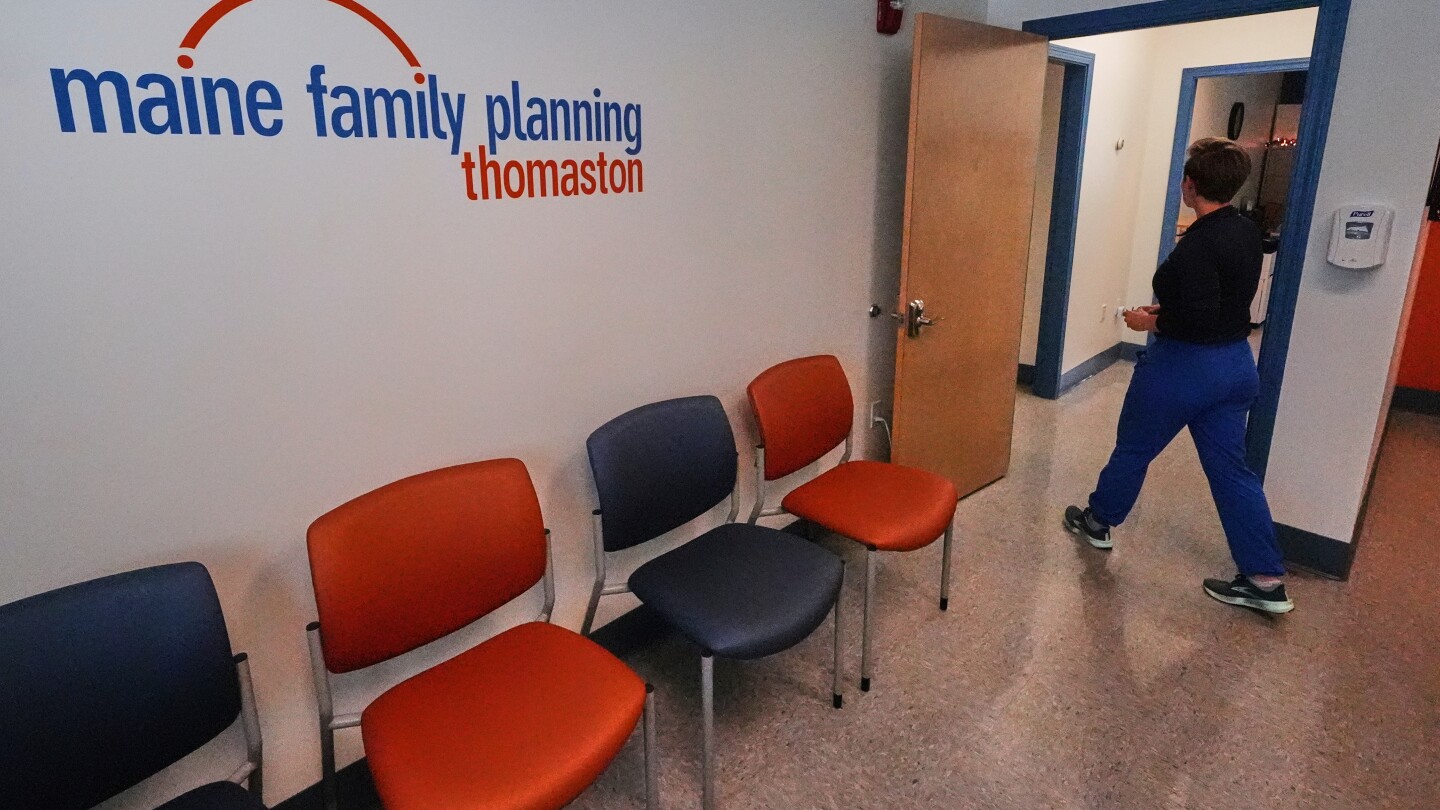
The impact of these funding cuts has already been felt in rural and low-income communities. In Maine, where a separate lawsuit was recently dismissed at the request of the clinics involved, Maine Family Planning has been forced to shut down its primary care operations in October due to the loss of funding. The network operates 18 clinics primarily serving poor and rural areas of the state.
George Hill, CEO of Maine Family Planning, explained the organization’s decision to end its legal challenge: “Though our lawsuit will not continue, we are not wavering in our commitment to our patients and to advocating for the health care system that Mainers need and deserve.”
The Center for Reproductive Rights, which represented Maine Family Planning, noted that clinic leaders chose to focus their limited resources on patient care rather than continuing the legal battle. The organization criticized the administration’s approach, saying it “has no regard for patients or how the ‘big beautiful bill’ has made healthcare even harder to access in this country.”
Planned Parenthood has previously stated that nearly half its patients rely on Medicaid for health services unrelated to abortions, including cancer screenings, birth control, and testing and treatment for sexually transmitted infections. The organization did not respond to requests for comment on the latest court decision.
In response to the federal funding cuts, at least eight states have allocated state funds to compensate Planned Parenthood for the lost revenue. Connecticut recently announced $8.5 million for Planned Parenthood of Southern New England.
Connecticut Attorney General William Wong called Tuesday’s ruling a “disappointing setback” but emphasized that the legal process is far from over. “This defunds essential, preventive healthcare,” Wong stated. “We will keep fighting to protect access to essential healthcare and to keep partisan politics out of doctors’ offices.”
The Department of Health and Human Services declined to comment specifically on the litigation. However, press secretary Emily Hilliard stated, “We remain committed to protecting the integrity of Medicaid programs to ensure full compliance with the law.”
The ruling comes amid heightened tensions over reproductive healthcare access in the United States, with advocates concerned that reduced funding for organizations like Planned Parenthood disproportionately affects low-income communities that rely on these clinics for a range of health services beyond abortion care.
As the legal challenges continue, healthcare providers across the country are scrambling to adapt to the funding cuts, with some forced to reduce services or close facilities altogether, creating potential healthcare gaps in underserved areas.
Fact Checker
Verify the accuracy of this article using The Disinformation Commission analysis and real-time sources.

6 Comments
While abortion is a divisive political issue, the potential disruption to essential healthcare services is concerning. I hope the courts carefully weigh the full consequences of these funding cuts.
The funding cuts go beyond just abortion services, which raises questions about the broader effects on Medicaid recipients. I’m curious to hear more perspectives on the potential ripple effects.
That’s a good point. The wider impact on healthcare access will be an important factor as this plays out in the courts.
The back-and-forth between the lower court and appeals court rulings highlights the complexity and high stakes of this legal battle. I’m interested to see how the various state-level lawsuits unfold.
This ruling seems to represent a shift in the legal landscape surrounding Planned Parenthood’s Medicaid funding. It will be crucial to monitor how this evolves and what it means for reproductive healthcare access nationwide.
This is a complex legal issue with major implications for healthcare access. It will be interesting to see how the court battles progress and what the ultimate impact is on Planned Parenthood services.