


Listen to the article
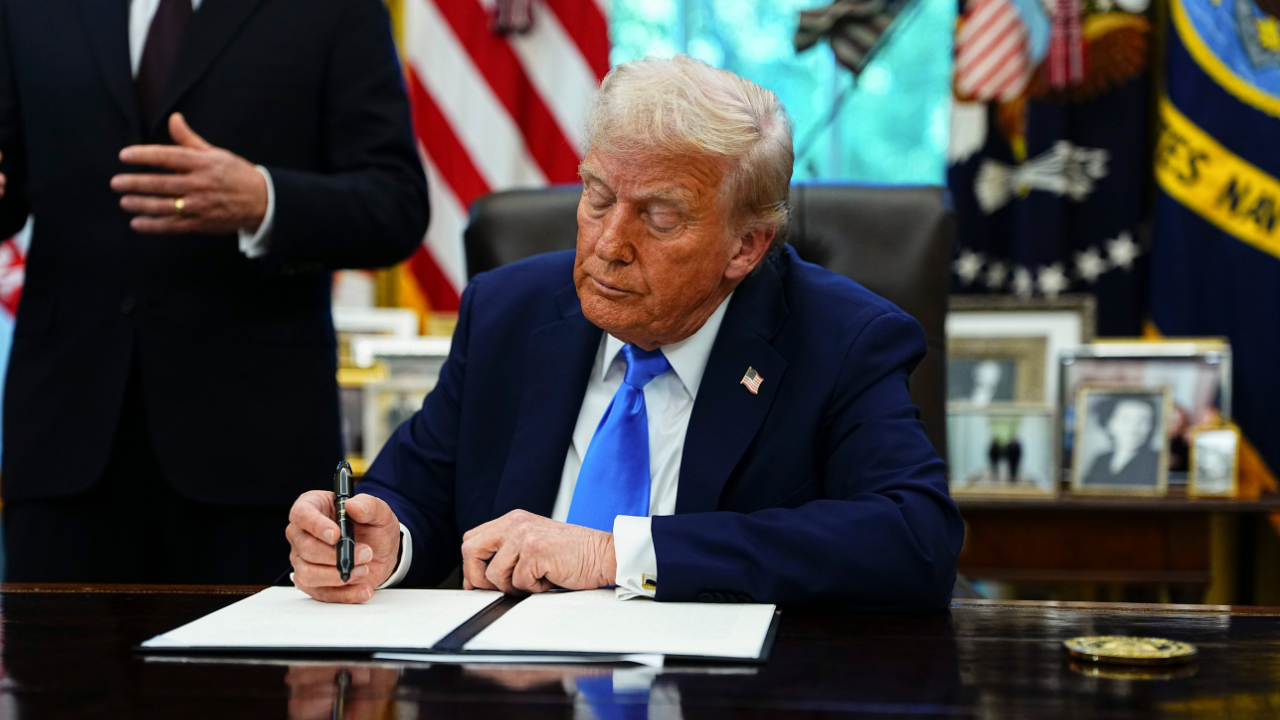
In a significant move that has sparked widespread debate, President Donald Trump issued a proclamation in September targeting what he described as “systemic abuse” of the H-1B visa program. The presidential order established a $100,000 fee for companies seeking these visas, claiming the program fuels the “large-scale replacement of American workers” and undermines “both our economic and national security.”
The controversial policy has divided business leaders, politicians, and the American public, with particularly strong pushback from the technology sector, which relies heavily on these specialized foreign workers.
H-1B visas are non-immigrant work permits that allow U.S. companies to employ highly-skilled foreign workers in specialty occupations. These three-year visas, extendable to six years, are designed for individuals with “exceptional merit and ability” who hold at least a bachelor’s degree in a relevant field.
The tech industry dominates H-1B usage, accounting for approximately 60-70% of new applications in recent years. Other significant sectors include consulting and professional services, engineering and manufacturing, healthcare and medical research, and higher education.
While there’s no official count of current H-1B visa holders, the program caps standard visas at 65,000 annually, with an additional 20,000 slots for those with advanced degrees. Universities and non-profit research organizations are exempt from these caps, further expanding the total number. The Pew Research Center estimated that approximately 400,000 H-1B visa applications received approval last year under the Biden administration.
The demographic profile of visa holders is notably concentrated, with nearly three-quarters (73%) coming from India, according to Pew data. China accounts for the second-largest group at 12%, with no other single country exceeding 2% of the total.
Opposition to the H-1B program crosses traditional political lines. Critics including Trump and independent Senator Bernie Sanders of Vermont argue that the program has strayed from its original purpose of attracting exceptional talent. Instead, they contend, employers use it to import cheaper foreign labor, depress wages, and displace American workers.
Bipartisan reform efforts have emerged in response to these concerns. Senate Democratic Whip Dick Durbin of Illinois and Senate Judiciary Chair Chuck Grassley, an Iowa Republican, reintroduced legislation in September targeting loopholes in the program. At the state level, Florida Governor Ron DeSantis issued October guidance directing state universities to prioritize American graduates over foreign workers.
Supporters of the program, however, argue it remains essential for American competitiveness. Elon Musk, who has benefited from the program personally, pledged to “go to war” to defend H-1B visas while acknowledging the need for reform. He suggested significantly raising the minimum salary and adding annual maintenance costs to make hiring from overseas more expensive than hiring domestically.
Business leaders also point to international competition, noting that China recently launched its own K-visa program to attract global talent. The U.S. Chamber of Commerce has consistently backed the H-1B program as vital to American economic interests.
Trump’s recent proclamation, titled “Restriction on Entry of Certain Nonimmigrant Workers,” contends the program is being “deliberately exploited” to replace American workers with “lower-paid, lower-skilled labor.” He argues this abuse artificially suppresses wages and creates disadvantages for American citizens, particularly in critical STEM fields.
The $100,000 fee took effect September 21 and will expire after one year. Additionally, the administration directed officials to prioritize “high-skilled and high-paid aliens” and initiated rulemaking to narrow the definition of “specialty occupation,” increase worksite compliance inspections, and require direct employer applications.
In response, the U.S. Chamber of Commerce has sued the Trump administration, arguing the new fee is “cost-prohibitive” especially for startups and smaller businesses. Their lawsuit claims the fee violates the Immigration and Nationality Act, which requires visa fees to be based on actual government processing costs.
The Chamber previously warned that H-1B restrictions could “inflict serious harm upon many American companies.” As the case proceeds through the courts, the question remains whether Congress will eventually step in to address the contentious issue through legislation.
Fact Checker
Verify the accuracy of this article using The Disinformation Commission analysis and real-time sources.

20 Comments
If AISC keeps dropping, this becomes investable for me.
If AISC keeps dropping, this becomes investable for me.
Good point. Watching costs and grades closely.
Uranium names keep pushing higher—supply still tight into 2026.
Good point. Watching costs and grades closely.
Good point. Watching costs and grades closely.
Uranium names keep pushing higher—supply still tight into 2026.
If AISC keeps dropping, this becomes investable for me.
Good point. Watching costs and grades closely.
Good point. Watching costs and grades closely.
Uranium names keep pushing higher—supply still tight into 2026.
Good point. Watching costs and grades closely.
Good point. Watching costs and grades closely.
Nice to see insider buying—usually a good signal in this space.
The cost guidance is better than expected. If they deliver, the stock could rerate.
Uranium names keep pushing higher—supply still tight into 2026.
Good point. Watching costs and grades closely.
Interesting update on American Workers and H-1B Visas: Examining the Replacement Controversy. Curious how the grades will trend next quarter.
Good point. Watching costs and grades closely.
Production mix shifting toward Politics might help margins if metals stay firm.