


Listen to the article
A Virginia boater has filed a class action lawsuit against Washington’s water utility, alleging negligence in a significant pipe collapse that released millions of gallons of raw sewage into the Potomac River earlier this year.
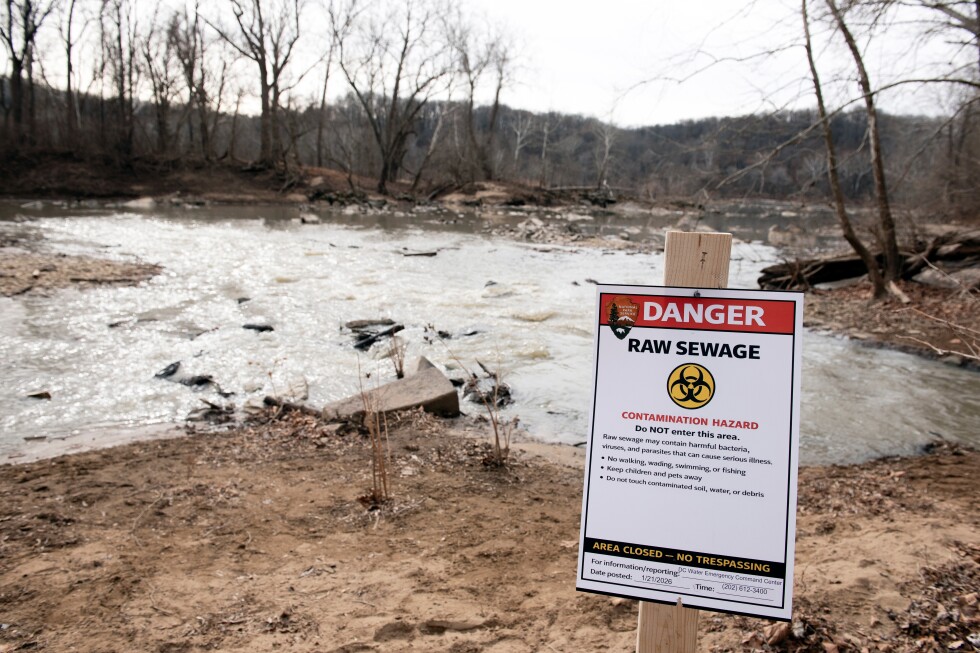
The lawsuit, filed Friday in U.S. District Court in Greenbelt, Maryland, comes in response to a January incident where a sewage pipe collapsed just north of Washington, D.C., causing wastewater to shoot from the ground directly into the river. The environmental disaster quickly became politically charged, sparking tensions between the Trump administration and Maryland’s Democratic leadership.
Dr. Nicholas Lailas, a Virginia resident who regularly boats on the Potomac, is seeking compensation for individuals whose “property interests in and use and enjoyment of the Potomac River have been impaired by Defendant’s conduct.” His suit alleges that DC Water failed in its obligation to maintain the ruptured pipe, known as the Potomac Interceptor, in “reasonably safe condition” and to prevent foreseeable harm.
According to preliminary data cited in the lawsuit, thousands of property and vessel owners in the affected areas of the Potomac could potentially join the class action. The suit does not specify a specific damage amount.
Andrew Levetown, representing the plaintiff, explained that determining the full scope of affected parties will take time. “You’re going to have businesses who lose business because instead of sitting next to the Potomac, their clients are sitting next to the open sewer,” he noted in an interview Monday.
The environmental impact of the spill has been substantial. In its early stages, the leak dumped approximately 250 million gallons of raw sewage into the Potomac, a waterway that serves as both a vital ecosystem and recreational resource for the Washington metropolitan area.
The severity of the situation prompted Washington Mayor Muriel Bowser to declare an emergency on February 18, requesting federal assistance from President Trump. The president subsequently approved emergency resources to help address the crisis.
DC Water acknowledged that they were aware of the deteriorating condition of the pipe, which was originally installed in the 1960s. Rehabilitation work had recently been completed on a section approximately a quarter-mile from the break, and the section that ultimately ruptured had been scheduled for repair this summer.
John Lisle, spokesperson for DC Water, declined to comment specifically on the lawsuit but acknowledged the severity of the incident. “The collapse of the Potomac Interceptor was a serious and unexpected event, and our teams remain focused on the response, environmental protection, and restoration efforts,” he said in a statement.
According to recent updates from the utility, emergency repairs are more than halfway complete, and sewage is no longer flowing into the river. However, the full environmental impact assessment and cleanup efforts are ongoing.
At a public briefing last week, DC Water officials indicated they are still investigating the cause of the rupture, including whether the original construction methods contributed to the failure. David Gadis, CEO of DC Water, suggested that preliminary findings indicate “this incident may have been highly unusual,” though he cautioned it was too early to draw definitive conclusions.
The lawsuit highlights growing concerns about aging infrastructure throughout the United States, particularly in older metropolitan areas where underground systems can date back many decades. Water and sewage systems in particular have become flashpoints for public concern as high-profile failures impact public health and environmental quality.
For residents and businesses along the Potomac, the legal action represents not only potential financial compensation but also accountability for what many see as a preventable environmental disaster in one of the nation’s most iconic waterways.
Fact Checker
Verify the accuracy of this article using The Disinformation Commission analysis and real-time sources.

20 Comments
The lawsuit seems justified given the scale of the sewage spill and its potential impact on property owners and recreational users of the Potomac. I’m curious to learn more about the utility’s maintenance practices and whether this incident could have been avoided.
Good point. Transparency around the utility’s operations and accountability for failures will be important in this case.
Sewage spills can have widespread impacts on ecosystems and public health. While lawsuits may help seek compensation, I’d also like to see proactive efforts by the utility and government agencies to upgrade infrastructure and strengthen preventive measures.
Good observation. A comprehensive, multi-stakeholder approach is needed to address the root causes and ensure the Potomac River remains a safe, clean resource.
A sewage spill of this magnitude is unacceptable and the utility should be held accountable. I’m curious to see if the lawsuit uncovers systemic issues that need to be addressed to prevent future incidents.
Good point. Identifying and fixing the underlying problems is crucial to ensure the safety and cleanliness of the Potomac River going forward.
This is a concerning situation for boaters and residents who rely on the Potomac River. I hope the lawsuit leads to meaningful changes that improve water quality and prevent similar environmental disasters in the future.
Absolutely. The health of our waterways is critical, and utilities must be held to high standards of maintenance and environmental stewardship.
This is a concerning incident that highlights the importance of maintaining critical water infrastructure. I hope the lawsuit leads to positive changes that protect the Potomac River and its users in the long run.
Me too. Responsible stewardship of our shared natural resources should be a top priority for all parties involved.
This is a serious environmental incident that has impacted the Potomac River and surrounding areas. While lawsuits can be a means to seek accountability, I hope the parties involved can also work collaboratively to address the root causes and prevent future spills.
Agreed. Protecting our waterways should be a top priority, and all stakeholders need to participate in finding solutions.
Sewage spills can have far-reaching consequences for public health and the local ecosystem. While lawsuits may provide some recourse, I hope this incident leads to broader discussions about modernizing water infrastructure and improving emergency response capabilities.
Well said. A comprehensive, forward-looking strategy is needed to address the systemic challenges and ensure the long-term resilience of our water systems.
This is a concerning incident that highlights the importance of responsible oversight and maintenance of critical water infrastructure. I’m curious to see if the lawsuit leads to any policy changes or increased investment in upgrades to prevent future spills.
Absolutely. Proactive measures to strengthen the reliability and environmental safeguards of our water systems should be a top priority for utilities and policymakers.
This is a significant environmental issue that merits a thorough investigation and accountability. I’m curious to learn more about the utility’s maintenance practices and what steps can be taken to upgrade aging infrastructure and strengthen safeguards.
Agreed. Proactive investment in infrastructure upgrades and robust safety protocols should be a priority to protect our waterways.
While lawsuits can be a way to seek justice, I hope the focus remains on practical solutions to improve water quality and prevent similar environmental disasters. Collaborative efforts between the utility, regulators, and community stakeholders may be more effective.
That’s a thoughtful perspective. A multi-faceted approach involving all stakeholders could lead to more sustainable, long-term improvements.