


Listen to the article
The longest government shutdown in U.S. history appears poised to end after 43 days, leaving virtually no stakeholders satisfied with the outcome. The potential resolution comes after weeks of political deadlock that has affected millions of Americans and damaged the economy.
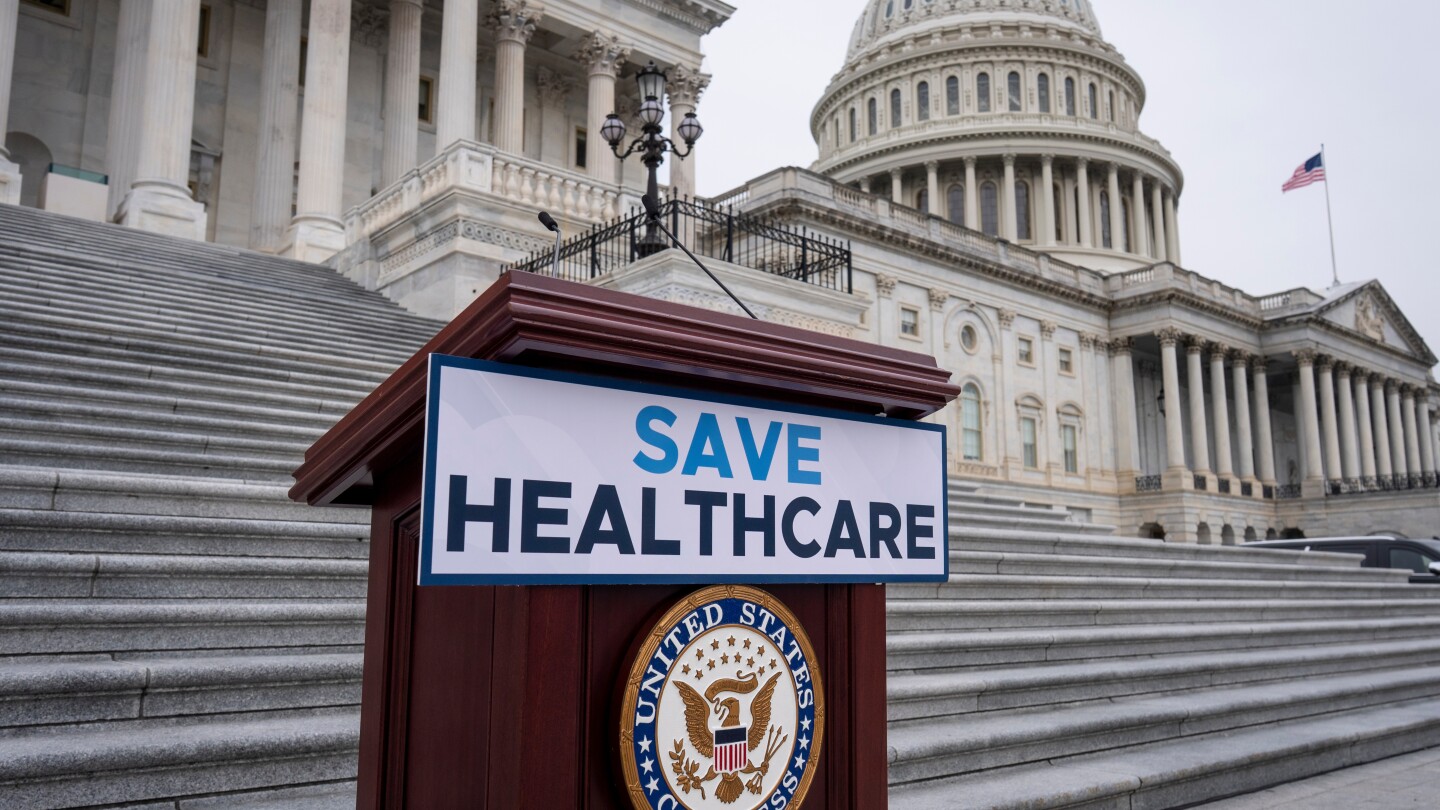
Democrats failed to secure the healthcare provisions they sought in the spending deal, specifically an extension of enhanced tax credits that lower costs for Americans purchasing coverage through Affordable Care Act marketplaces. Without these extensions, premiums will more than double for millions of Americans when they expire at the end of December, with the Congressional Budget Office projecting that over 2 million people could lose health insurance coverage entirely next year.
“Never have American families faced a situation where their health care costs are set to double — double in the blink of an eye,” said Senate Democratic leader Chuck Schumer of New York during the standoff.
Republicans, despite controlling key levers of power in Washington, have not escaped blame for the shutdown. Polling data shows approximately 60% of Americans attribute “a great deal” or “quite a bit” of responsibility to Trump and congressional Republicans for the impasse, while 54% say the same about congressional Democrats, according to the Associated Press-NORC Center for Public Affairs Research.
The tentative agreement includes bipartisan funding bills previously developed by the Senate Appropriations Committee covering food aid, veterans programs, and the legislative branch. All remaining government functions would receive extended funding until late January, providing lawmakers an additional two months to finalize spending bills.
Senate Majority Leader John Thune eventually offered Democrats a December vote on extending the healthcare tax credits, but many Democrats demanded a guaranteed solution rather than a vote likely to fail. This mirrors the 2013 shutdown dynamics when Republicans unsuccessfully sought to roll back parts of the Affordable Care Act in exchange for government funding.
The political pressure has been intense on Democratic leadership. Since the beginning of President Trump’s second term, more than 200,000 federal workers have reportedly left their positions through firings, forced relocations, or the administration’s deferred resignation program, according to the Partnership for Public Service. Democrats have struggled to counter the administration’s agenda through legislation, instead relying heavily on court challenges.
Schumer faced significant backlash from progressives after announcing in March his support for moving ahead with a funding bill for the 2025 budget year. This internal party pressure likely contributed to his firm stance during the current shutdown, demanding Republicans negotiate with Democrats to secure the necessary 60 votes in the Senate to advance spending legislation.
Republicans bypassed Schumer by working with a small group of eight Democratic senators to develop a short-term funding bill at current levels, while accusing the Democratic leader of catering to his party’s left wing by refusing to support it.
“The Senate Democrats are afraid that the radicals in their party will say that they caved,” House Speaker Mike Johnson of Louisiana claimed during one of his daily press briefings.
The economic and human costs of the shutdown have been substantial. The Congressional Budget Office estimates a permanent economic loss of approximately $11 billion for a six-week shutdown, even after most negative impacts are eventually recovered. The real-world consequences have been far-reaching: federal workers missed paychecks, causing financial strain; air travelers faced delays and cancellations; and Americans who rely on safety net programs like SNAP (Supplemental Nutrition Assistance Program) saw their benefits interrupted, leading to increased demand at food banks nationwide.
Senator Jerry Moran, a Kansas Republican, highlighted the broader implications: “This dysfunction is damaging enough to our constituents and economy here at home, but it also sends a dangerous message to the watching world. It demonstrates to our allies that we are an unreliable partner, and it signals to our adversaries that we can’t work together to meet even the most fundamental responsibilities of Congress.”
The November 4 elections in Virginia, New Jersey, and other states became something of a referendum on the shutdown, with Democrats taking comfort in their victories. Former President Trump acknowledged the shutdown was a “big factor, negative” for Republicans, though this recognition did not shift the party’s negotiating stance.
As the shutdown appears to reach its conclusion, the damage to public trust in government institutions and the real economic losses already sustained remain significant concerns for lawmakers on both sides of the aisle.
Fact Checker
Verify the accuracy of this article using The Disinformation Commission analysis and real-time sources.

14 Comments
This is a really troubling situation. The potential healthcare cost increases and coverage losses that could result from the shutdown are extremely concerning. It’s disappointing to see how political divisions have prevented a resolution that protects the wellbeing of citizens. Our elected officials need to do better at putting people over politics.
I agree wholeheartedly. This situation is a stark reminder of the consequences of partisan gridlock. Hopefully it will serve as a wake-up call for our leaders to start working together in a more constructive and responsible way. The American people deserve better.
This is a complex issue with no easy answers. I can understand the frustration on both sides, but the real losers here seem to be the American people who are facing potential healthcare cost hikes and coverage losses. It’s a shame that politics has gotten in the way of finding a reasonable solution.
Agreed. At the end of the day, our elected officials need to put partisan interests aside and focus on doing what’s best for their constituents. Hopefully this experience will encourage them to be more responsive to the real needs of the public.
This is a really troubling situation. The fact that the shutdown has dragged on for over a month and is still not resolved is very concerning. The potential healthcare impacts are especially worrying, as rising costs and coverage losses could have serious consequences for millions of Americans. I hope the politicians can put aside their differences and find a way to protect people’s access to affordable healthcare.
I share your concerns. The partisan gridlock in Washington is really disheartening. Elected officials need to start putting the needs of their constituents first, rather than engaging in political posturing. Hopefully this experience will spur them to work together more effectively going forward.
The political deadlock over the government shutdown is really concerning. It’s disappointing to see how partisan divisions have prevented a resolution that addresses the needs of citizens. Bipartisanship and pragmatism seem to be lacking in Washington these days.
You’re right, it’s disheartening to see how political posturing has taken priority over serving the public interest. Hopefully this experience will push lawmakers to work more collaboratively going forward.
The government shutdown has been a mess, with no clear winners. It’s really concerning to hear about the potential healthcare impacts, with costs potentially doubling for millions of Americans. This kind of political dysfunction is unacceptable and has real consequences for people’s lives. I hope the lawmakers can find a way to compromise and protect access to affordable healthcare.
Absolutely. This situation highlights the urgent need for our political leaders to put partisan interests aside and focus on solving real problems that impact everyday Americans. Hopefully this experience will encourage them to be more responsive and accountable to the public they serve.
The government shutdown has been a real mess, with no clear winners. It’s concerning to hear about the potential impacts on healthcare costs and coverage. I hope the politicians can find a way to compromise and find a solution that protects Americans’ access to affordable healthcare.
You’re absolutely right. This situation highlights the dysfunction and partisanship in Washington. Hopefully this serves as a wake-up call for our leaders to start working together in a more constructive manner.
This is a frustrating situation all around. No one seems to be happy with the outcome of the shutdown, which has had real impacts on millions of Americans. It’s concerning to hear about the potential healthcare cost increases and coverage losses if the tax credits aren’t extended.
I agree, this seems like a lose-lose situation. Hopefully the politicians can find a way to compromise and find a solution that benefits the American people.