


Listen to the article
West Virginia Residents Misled by Viral Social Media Post About Vehicle Tax Elimination
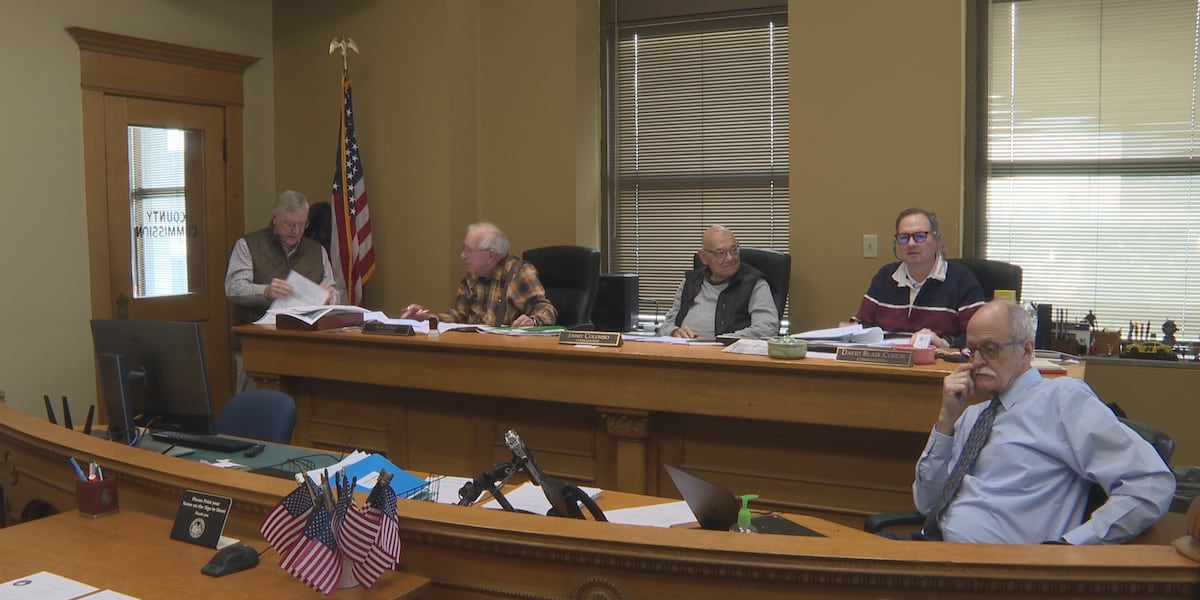
Wood County Assessor John Kelly has raised concerns about widespread misinformation regarding property tax that has rapidly circulated on social media platforms. During Thursday’s meeting with Wood County Commissioners, Kelly highlighted a Facebook post falsely claiming that West Virginia has eliminated personal property tax on vehicles.
The misleading post, which has been shared over a thousand times, references House Bill 2601, legislation that was introduced during the 2025 legislative session. Kelly clarified that the bill never became law, as it died in committee without receiving a vote from the legislature or the governor’s signature.
“We had people come in yesterday asking about it,” Kelly told commissioners, noting the confusion the post has created among residents. The misinformation has spread beyond Wood County, affecting other regions throughout the state. “I talked to Irv Johnson down in Cabell County, and he’s got people coming in asking about it. He’s explaining it to these people down there, and they don’t believe anything he says.”
This isn’t the first time the issue of vehicle property tax has caused confusion in West Virginia. Kelly reminded commissioners that voters actually considered and rejected a constitutional amendment to eliminate property tax on vehicles in 2022. That failed referendum, combined with the current misinformation campaign, has created a perfect storm of public confusion regarding vehicle taxation in the state.
The viral post does contain some accurate information amid its false claims. West Virginia does offer a personal property tax credit that can refund already-paid taxes on certain eligible classes of vehicles. Residents seeking legitimate information about this credit can find details on the West Virginia Tax Division website.
Property tax issues remain particularly sensitive in West Virginia, where local governments depend heavily on this revenue source to fund essential services. Vehicle taxes specifically represent a significant portion of personal property tax collections, which support county operations, schools, and other public services.
Social media misinformation regarding tax policy has become increasingly common nationwide. Tax officials across multiple states have reported similar incidents where inaccurate information about tax changes spreads rapidly online, causing administrative headaches and public confusion. The phenomenon highlights the challenge government agencies face in combating false information in the digital age.
For Wood County residents, the timing of this misinformation is particularly problematic as it coincides with the normal property tax assessment period. County officials worry that residents might ignore tax notices or miss payment deadlines based on the false belief that vehicle taxes have been eliminated.
Local assessors’ offices throughout West Virginia have been fielding increased call volumes and walk-in traffic from confused taxpayers. Many offices have begun posting clarifications on their official websites and social media pages to counter the misinformation.
During the same county commission meeting where Kelly addressed the tax misinformation, commissioners also received an update from the United Way of the Mid-Ohio Valley regarding warming station services in Wood County, highlighting the ongoing community services that rely on stable local government funding.
County officials urge residents to verify tax information through official government channels rather than relying on social media posts. The Wood County Assessor’s office remains available to answer questions from concerned taxpayers about their property tax obligations.
Fact Checker
Verify the accuracy of this article using The Disinformation Commission analysis and real-time sources.

8 Comments
Misleading information can cause a lot of confusion and headaches for local governments and residents. It’s important to rely on official sources when it comes to important matters like property taxes.
Agreed. I’m glad the assessor is proactively addressing this issue to prevent further misinformation from spreading.
This situation highlights the importance of verifying information, especially when it comes to important matters like taxes. I hope the assessor’s actions help to clear up the confusion.
It’s concerning to hear that the misinformation has spread beyond just the local county. Coordinated efforts across different regions will likely be needed to effectively address this problem.
Yes, the spread of misinformation can quickly become a regional issue. Collaboration between local officials will be crucial.
Social media can be a powerful tool, but it also enables the rapid spread of false claims. It’s good to see the assessor taking steps to correct the record and provide accurate information to the public.
Absolutely. Fact-checking and clear communication from local officials is crucial in these situations.
Proposed legislation that never became law can still cause a lot of confusion if it’s not properly contextualized. I’m glad the assessor is addressing this issue and working to inform residents.