


Listen to the article
New Health Initiative Tackles Women’s Medical Misinformation on Social Media
A new initiative called “She Thrives” has launched in northern England to combat the growing problem of health misinformation targeting women on social media platforms. The program brings together major healthcare institutions in an unprecedented collaboration to address what medical professionals describe as an alarming trend.
The initiative has secured backing from several influential healthcare organizations, including the North East and North Cumbria NHS Integrated Care Board, The Northern Health Science Alliance, and multiple NHS trusts across the region. Individual medical professionals concerned about the quality of health information women encounter online have also thrown their support behind the effort.
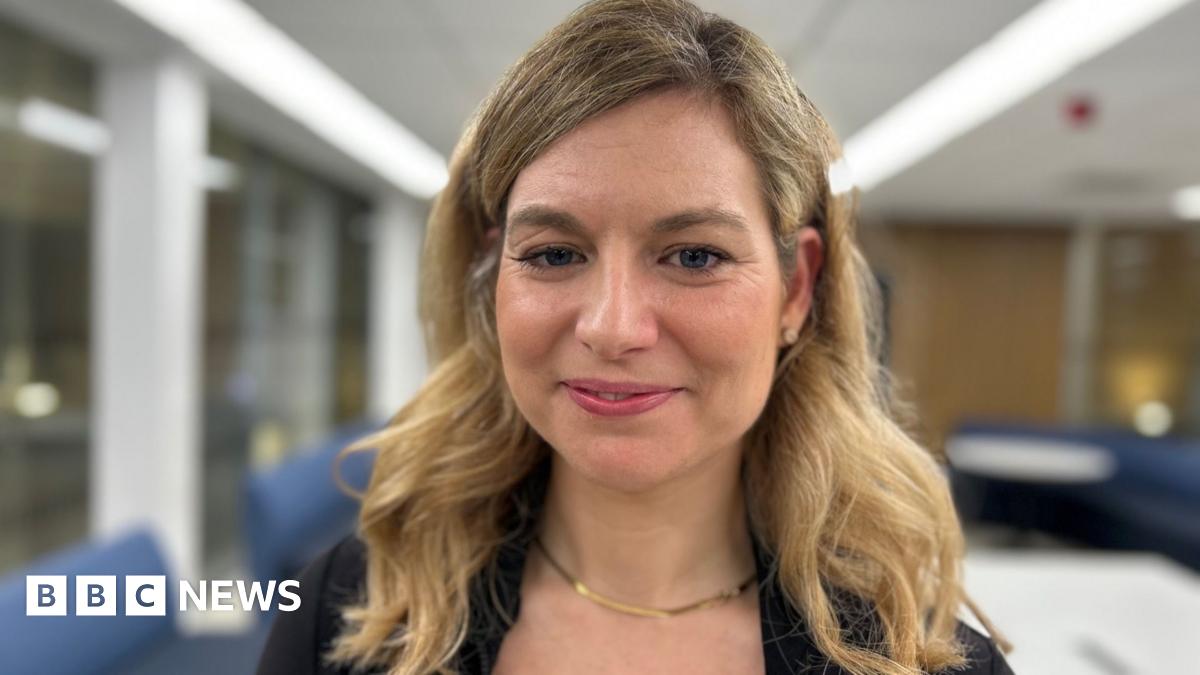
Dr. Katherine Gilmore, a consultant in community gynaecology and sexual and reproductive healthcare at the South Tyneside and Sunderland NHS Foundation Trust, reports regularly encountering patients who have consumed inaccurate medical information online.
“One of the main barriers to healthcare for women at the moment is time,” Dr. Gilmore explains. “Social media is the perfect place for them to go to, isn’t it?” However, she quickly points out that convenience comes with significant drawbacks, particularly the prevalence of misleading or outright false information.
The consequences of this misinformation are evident in clinical settings. “You can really tell the patients who are well informed versus the women who have seen lots of scare stories. And it can be a real worry,” Dr. Gilmore notes.
Health misinformation on social media has become increasingly problematic in recent years. Platforms like Instagram, TikTok, and Facebook have seen an explosion of health content creators, many without medical credentials, offering advice on women’s health issues ranging from fertility and menstruation to menopause and reproductive health treatments.
The NHS has identified this trend as particularly concerning in the North East region, where health literacy rates in some communities already present challenges. Medical professionals report that patients often arrive at appointments with preconceived notions based on social media content, sometimes delaying seeking proper care due to misinformation-fueled fears.
She Thrives aims to counteract this trend by creating accessible, evidence-based content specifically designed for social media consumption. The initiative plans to develop short-form videos, infographics, and other digital materials that can compete with misleading content in the same online spaces where women currently seek information.
Dr. Sarah Richardson, health policy analyst at the Northern Health Science Alliance, explains: “We’re not trying to eliminate social media as a health information source. That would be unrealistic. Instead, we’re meeting women where they already are with content that’s both engaging and medically sound.”
The initiative represents a significant shift in how healthcare institutions approach public health communication. Rather than relying solely on traditional channels like brochures and websites, She Thrives acknowledges the central role social media now plays in how people, especially younger women, consume health information.
Health economists estimate that medical misinformation costs the NHS millions annually in unnecessary appointments, delayed treatments, and complications from unproven remedies that patients try before seeking professional care.
The North East region was selected for the pilot program due to its strong network of healthcare institutions and existing collaborative frameworks. If successful, organizers hope to expand the model nationally.
She Thrives will also include a research component, tracking changes in patient knowledge and behaviors to measure the initiative’s effectiveness. This data could inform future NHS digital communication strategies across all health domains, not just women’s health.
As the initiative launches, healthcare professionals like Dr. Gilmore remain cautiously optimistic. “We can’t expect to solve this problem overnight,” she says. “But by creating a reliable voice in these digital spaces, we can begin to turn the tide against misinformation and help women make truly informed decisions about their health.”
Fact Checker
Verify the accuracy of this article using The Disinformation Commission analysis and real-time sources.

8 Comments
It’s alarming to hear that women are encountering so much inaccurate medical information online, especially around sensitive topics like fertility. This program sounds like a much-needed intervention to ensure people have access to reliable, science-based guidance.
One of the challenges of the digital age is the ease with which misinformation can spread, especially on social media platforms. It’s great to see these healthcare organizations taking proactive steps to counter that trend and empower women with accurate information.
Social media has become a double-edged sword when it comes to accessing health information. While it allows for fast sharing, it also enables the rapid spread of inaccurate or misleading claims. This program seems like an important step to address that challenge.
Absolutely. Building public trust in official healthcare sources is key to countering misinformation. Hopefully this initiative can serve as a model for other regions facing similar problems.
This is a great initiative to combat the spread of health misinformation targeting women online. It’s crucial that trusted medical institutions come together to provide accurate, evidence-based information to the public.
I agree, misinformation can have serious consequences, especially for sensitive health issues like fertility. Kudos to the NHS and partners for taking this proactive approach.
The fact that individual doctors are also supporting this effort shows how serious the problem of health misinformation has become. Kudos to the team for bringing together such a broad coalition to tackle this issue head-on.
This initiative seems like a positive step towards improving women’s access to quality health information online. It will be interesting to see how effective it is at addressing the problem of medical misinformation targeting this demographic.