


Listen to the article
The personal cost of medical misinformation came into sharp focus recently as I mourned a friend who chose alternative treatments over established medical care for his prostate cancer. In what feels like a disturbing echo of 2020’s pandemic-era debates, the tension between combating deadly health misinformation and protecting free speech remains one of our era’s most vexing challenges.
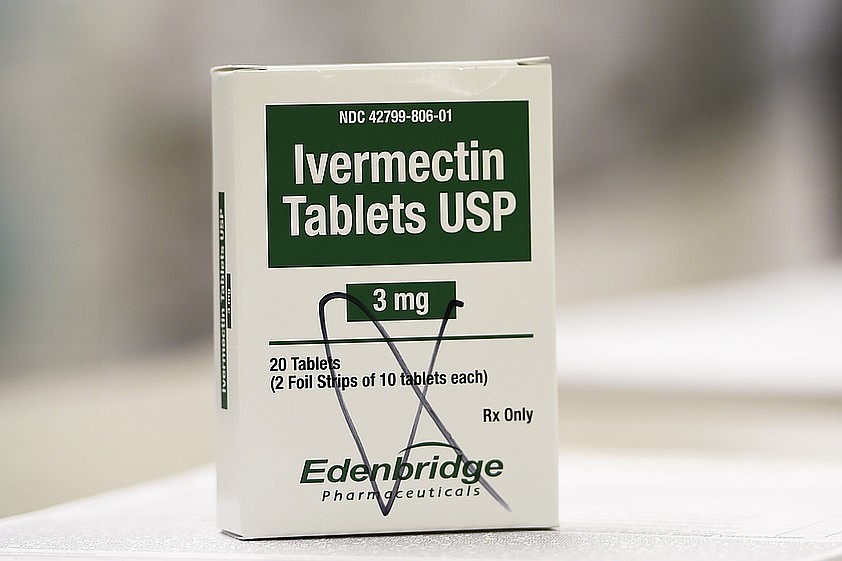
My friend – whom I’ll call “John” to respect his family’s privacy – was diagnosed with prostate cancer just over a year ago. Rather than following his oncologist’s recommended treatment plan, John opted to take Ivermectin, ultimately succumbing to its side effects rather than receiving proven cancer therapies.
Ivermectin, while FDA-approved for treating certain parasitic infections and specific skin conditions in humans, has never been authorized or recommended by the FDA or CDC for treating cancer or COVID-19. Yet John, who had fallen into the world of medical misinformation during the pandemic five years ago, could not be persuaded by medical experts or concerned loved ones to return to evidence-based treatment.
At John’s memorial service, grief transformed into something more pointed – resentment toward those with platforms who amplified dangerous falsehoods over medical truth. The quiet counsel of dedicated physicians ultimately carried less weight than the voices of public figures John trusted.
The stakes in this debate aren’t abstract policy points. They’re measured in preventable deaths and unnecessary suffering. While John, as an adult, maintained his right to seek alternative therapies within legal boundaries, his choices were heavily influenced by trusted voices spreading misinformation.
This tragedy highlights the complex challenge of defining “misinformation” itself. The boundaries between settled science, emerging evidence, and genuine uncertainty aren’t always clearly delineated. Medical history offers sobering examples of consensus being wrong – from doctors once promoting cigarettes to dismissing handwashing’s importance in preventing infection.
Our current information ecosystem intensifies these challenges. Social media algorithms amplify content that generates emotional reactions, allowing false health claims to spread globally before accurate information can gain traction. The traditional “marketplace of ideas” theory assumed relatively equal access to platforms and audiences – assumptions that no longer hold in today’s digital landscape.
The dilemma presents no easy solutions. Heavy-handed censorship risks creating martyrs of misinformation peddlers, driving false claims underground where they become harder to counter, and eroding public trust in institutions. Yet a completely hands-off approach permits deadly falsehoods to proliferate unchecked.
A more nuanced approach might include prominently featuring accurate information from credible sources without completely censoring alternative views, maintaining transparency about content moderation decisions, investing in digital literacy education to help consumers evaluate health claims critically, and holding public leaders to higher standards regarding medical information.
The problem requires ongoing calibration rather than a one-time policy fix. It demands humility about our certainties and recognition that both unrestricted misinformation and aggressive censorship carry serious societal risks. We must find ways to protect public health without sacrificing the open discourse fundamental to scientific advancement and democratic functioning.
Medical misinformation’s dangers aren’t theoretical. For families like John’s, they manifest as empty chairs at dinner tables and painful memories of what might have been had evidence-based medicine prevailed over unfounded claims.
Until we navigate this complex terrain more effectively, unnecessary goodbyes – like mine with John – will continue to be the human cost of our failure to balance free speech with protection from dangerous falsehoods. This isn’t merely a policy debate about information control – it’s about preventing needless suffering caused when misinformation overrides medical expertise.
Fact Checker
Verify the accuracy of this article using The Disinformation Commission analysis and real-time sources.

8 Comments
Heartbreaking story. My condolences to the family. While I believe in free speech, I also believe in the importance of science and facts, especially when it comes to public health. This tragedy highlights the need for better education and fact-checking to combat the spread of dangerous misinformation.
Tragic story. My condolences to the family. Medical misinformation can have devastating real-world consequences, and I hope policymakers can find ways to address this crisis while still upholding free speech principles. It’s a delicate balance, but public health has to be the priority.
This is a devastating example of how medical misinformation can literally cost lives. I understand the free speech concerns, but at a certain point, the public good has to take precedence. More needs to be done to stem the tide of dangerous falsehoods, even if it means some difficult conversations.
Agreed. Protecting free speech is important, but not at the expense of public health and safety. There has to be a way to responsibly moderate harmful misinformation without stifling legitimate discourse.
It’s tragic that someone lost their life due to choosing unproven alternative treatments over established cancer therapies. I hope this serves as a wake-up call about the urgent need to address the proliferation of medical misinformation, while still preserving legitimate free speech.
I agree, it’s a complex issue without easy solutions. Fact-checking and media literacy education will be crucial in the fight against misinformation, but the platforms themselves need to take more responsibility too.
This is a heartbreaking situation. While I believe in free speech, I also believe in the importance of science-based medicine and protecting public health. There needs to be a way to combat dangerous misinformation without infringing on legitimate debate and discourse.
This is a heartbreaking story that highlights the real human cost of medical misinformation. It’s a difficult balance to strike between free speech and public health, but I agree that something needs to be done to stop the spread of dangerous falsehoods that can lead to tragic outcomes.