


Listen to the article
Dangerous Wave Conditions Prompt Safety Alerts Along Oregon and Washington Coasts
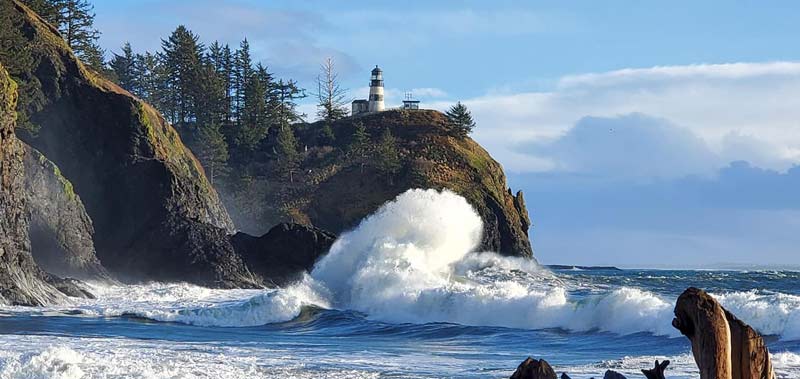
Multiple wave hazard warnings have been issued for the Oregon and Washington coastlines, with officials urging beachgoers to exercise extreme caution through the weekend. The National Weather Service (NWS) has released alerts for both sneaker waves and high surf conditions, with varying severity along different sections of the Pacific Northwest coast.
The South Central Oregon Coast and Curry County Coast face particularly hazardous conditions, with a High Surf Advisory in effect from Thursday morning until early Friday. Breaking waves in these areas could reach heights of 20 to 24 feet, creating dangerous conditions in coastal communities including Bandon, Coos Bay, Gold Beach, Port Orford, Brookings, and Reedsport.
Officials warn these massive waves could potentially inundate beaches and low-lying shorelines, causing significant beach erosion and potentially damaging exposed infrastructure. Coastal visitors are strongly advised to avoid the surf zone and stay away from jetties during this period.
Further north, a Beach Hazards Statement covers the North and Central Oregon Coast along with the South Washington Coast from late Wednesday through late Sunday. This alert affects popular destinations including Long Beach, Raymond, Seaside, Cannon Beach, Manzanita, Oceanside, Pacific City, Lincoln City, Newport, and Florence.
“Waves can run up significantly farther on a beach than normal, including over rocks and jetties,” the NWS cautioned in their statement. “Sneaker waves can suddenly knock people off of their feet and quickly pull them into the frigid ocean which may lead to serious injury or drowning.”
The timing of these alerts coincides with scheduled razor clam digs in some areas, adding additional concern for those planning to participate. Safety officials emphasize that children should be continuously supervised, and everyone should remain vigilant around shorelines.
Coastal safety experts are also taking the opportunity to address common misconceptions about sneaker waves that often circulate on social media. While it’s technically true that sneaker waves can occur year-round, the current alerts indicate a dramatically increased risk level.
During high-risk periods like the present, sneaker waves can surge much higher and farther inland—potentially reaching tens or even hundreds of feet beyond the typical tideline. This means beaches that might be relatively safe to visit during calm conditions become significantly more dangerous during these alert periods.
Some coastal visitors incorrectly believe that simply paying attention is sufficient protection against sneaker waves. However, safety officials emphasize that during high-risk periods, even vigilant beachgoers can be caught off guard by waves that move with unexpected speed and force, making them impossible to outrun in some circumstances.
Two simple safety guidelines are recommended during these hazardous periods: First, avoid beaches entirely when wave hazard alerts are in effect, instead viewing the ocean from elevated vantage points. Second, absolutely avoid smaller beaches backed by cliffs or walls that don’t provide escape routes. Beaches with foredunes, like those at Manzanita and most of Cannon Beach, offer safer retreat options if necessary.
Officials also clarified another common misconception, noting that the current conditions are not related to king tides. King tides are specific high tide events related to tidal height, whereas the current warnings concern wave height and behavior. While king tides can create their own hazards, especially when combined with storm systems, they are distinct from the current wave warnings.
As the weekend approaches, coastal communities are reinforcing safety messaging to ensure both residents and visitors understand the seriousness of these conditions. Emergency management officials are particularly concerned about tourists who may be unfamiliar with coastal hazards and the unpredictable nature of Pacific Northwest beaches during storm seasons.
Visitors planning coastal trips are encouraged to check current weather and wave forecasts specific to their destination, with comprehensive information available through local weather services and coastal information centers.
Fact Checker
Verify the accuracy of this article using The Disinformation Commission analysis and real-time sources.

12 Comments
Coastal communities in Oregon and Washington need to take these warnings seriously. Massive 20-24 foot waves can be extremely dangerous and cause major damage. Hopefully residents and visitors heed the safety advice.
Absolutely, the risk of beach erosion and infrastructure damage is high. Coastal mining operations may need to temporarily halt activities until the hazardous conditions pass.
It’s good to see the National Weather Service issuing these alerts to raise awareness about the dangerous wave conditions. Coastal mining and energy companies will need to closely track the situation and implement contingency plans as needed.
Definitely. Protecting worker safety and securing critical infrastructure should be the top priorities for companies with operations in the affected areas.
These wave hazard warnings underscore the importance of environmental risk management for industries with coastal assets. Mining and energy firms should review their emergency response protocols and ensure they are prepared for potential disruptions.
This is a good example of how extreme weather events can impact critical industries like mining and energy. Companies with assets along the Pacific Northwest coast will need robust emergency preparedness plans.
Yes, these types of natural disasters can disrupt supply chains and production. Careful monitoring and mitigation efforts will be essential for mining and energy firms in the region.
Interesting to see these wave hazard warnings along the Pacific Northwest coast. Safety should always come first when visiting the beaches in this region. I wonder how the mining and energy companies operating in the area are preparing for the potential impacts.
Good point. Coastal mining and energy infrastructure will need to be reinforced to withstand these powerful waves. Disruptions could impact commodity supply chains.
The potential for sneaker waves and high surf to inundate beaches is quite concerning. I hope local authorities are taking all necessary precautions to protect coastal residents and visitors, as well as any industrial facilities in harm’s way.
Agreed. Proactive measures like evacuations, infrastructure reinforcement, and temporary production shutdowns may be required to safeguard people and critical assets.
These wave hazard warnings highlight the importance of weather monitoring and emergency preparedness, especially for industries like mining that operate in vulnerable coastal regions. Hopefully the impacted areas can weather this storm safely.