


Listen to the article
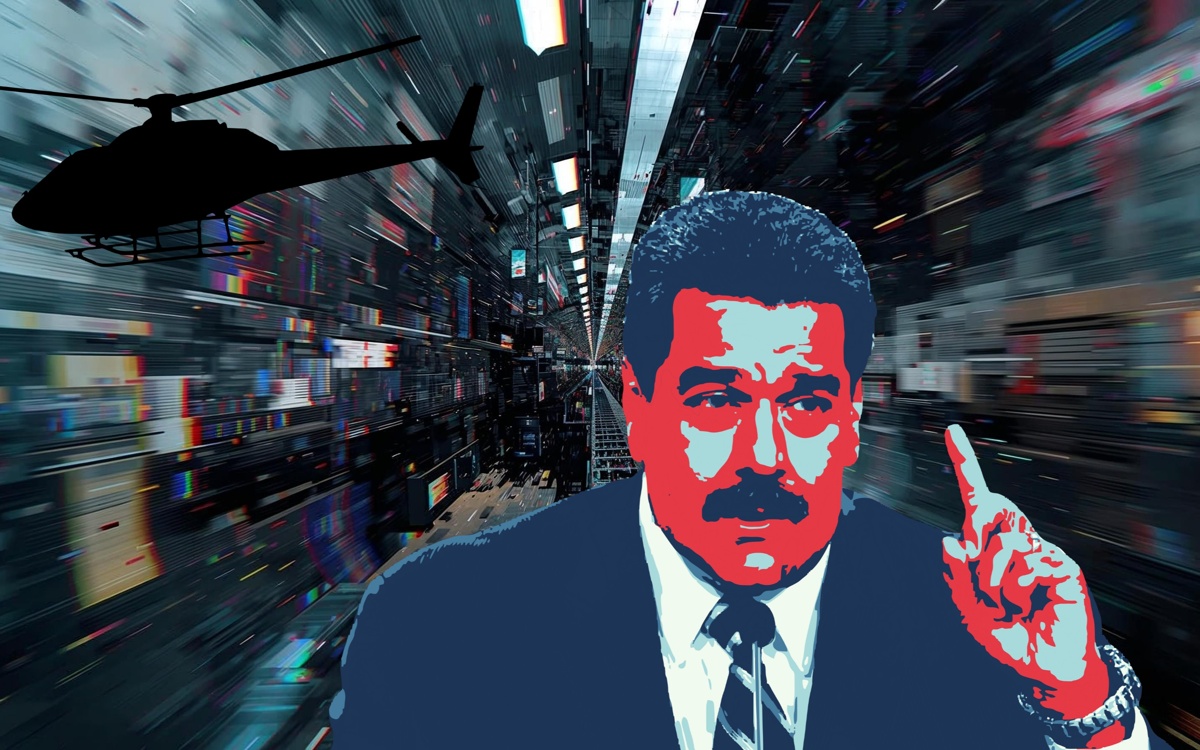
False visual content claiming to show Venezuelan raid reaches millions online, analysis finds
Fabricated images and misleading videos purporting to depict the U.S. military operation against Venezuelan President Nicolás Maduro have reached more than 14 million viewers across social media platforms, with the majority of engagement occurring on X within 48 hours of the raid.
An investigation revealed at least five manipulated images and two misrepresented videos circulating primarily among pro-Trump social media users. While the content gained significant traction on X, it saw limited distribution on other platforms such as Instagram, Facebook, and Threads.
One of the most widely circulated fabrications showed what appeared to be Maduro wearing white pajamas aboard a military aircraft, presented as evidence of his humiliation following capture. The image, which garnered over 4.6 million views, was later identified as AI-generated with noticeable visual inconsistencies.
According to verified information, Maduro was actually transferred to the USS Iwo Jima by helicopter while dressed in a grey tracksuit with goggles and headphones, as documented in an authentic image shared by U.S. President Donald Trump on Truth Social.
Another viral deception involved a photograph supposedly showing a U.S. soldier posing with a hooded Maduro. Fact-checking organization NewsGuard confirmed the image was actually from the 2003 capture of Iraq’s former leader Saddam Hussein, completely unrelated to recent events in Venezuela.
Similarly deceptive was a video promoted as footage of U.S. Special Forces storming a Venezuelan military installation. Further investigation traced this content to a June 2025 demonstration at Fort Bragg during celebrations marking the U.S. Army’s 250th anniversary.
Military and intelligence experts note that while U.S. forces did execute an operation at Caracas’ Fuerte Tiuna military complex, no authentic footage of the raid has been publicly released by official sources.
“This pattern of fabricated content surrounding high-profile international incidents is particularly concerning,” said Dr. Miranda Reynolds, a disinformation researcher at Georgetown University. “Even when the underlying event is real, these manipulated visuals can significantly distort public understanding of what actually occurred.”
The rapid spread of false visual content highlights ongoing challenges for social media platforms in combating misinformation during breaking news events. Despite some platforms implementing content moderation policies and adding context to misleading posts, the viral nature of sensational imagery often outpaces verification efforts.
“What makes this case especially problematic is the mixing of real events with fabricated visuals,” noted Carlos Mendoza, a Latin American policy analyst. “The actual operation in Venezuela was significant enough without the embellishment, yet these false visuals risk undermining credible reporting on a major geopolitical development.”
The case has renewed calls from media literacy advocates for improved digital verification tools and greater public awareness about the prevalence of manipulated content during major news events.
Following the operation, Maduro appeared in a U.S. federal court in New York on Monday, where he pleaded not guilty to multiple criminal charges related to drug trafficking. This court appearance represents the culmination of a dramatic series of events that have reshaped Venezuelan politics and U.S.-Latin American relations.
The spread of misleading visual content about the operation comes amid increased scrutiny of digital manipulation technologies and their potential to influence public opinion during sensitive international incidents and upcoming electoral cycles.
Fact Checker
Verify the accuracy of this article using The Disinformation Commission analysis and real-time sources.

8 Comments
This is concerning, but not surprising. AI-generated content continues to be a major source of misinformation, especially around high-profile political events. It’s crucial that the public remains vigilant and cross-checks information from reliable sources.
It’s frustrating to see how easily manipulated visual content can gain traction, even when contradicted by verified information. This highlights the ongoing challenge of maintaining truth and transparency in the digital age.
The ability of fabricated images and videos to reach millions of viewers so quickly is alarming. This underscores the need for better tools to detect and combat AI-generated disinformation, especially on social media platforms.
Agreed. Platforms and fact-checkers must stay ahead of this evolving threat to prevent the spread of misleading narratives that can influence public opinion and sow discord.
The rapid spread of this AI-generated content is a stark reminder of the need for robust fact-checking and digital forensics capabilities. Proactive measures to identify and debunk manipulated media are essential in the current information landscape.
This is a prime example of how AI-generated misinformation can rapidly proliferate and undermine trust in the information ecosystem. Proactive steps are needed to educate the public and strengthen platform policies to address this issue.
Absolutely. Increased media literacy and collaborative efforts between platforms, fact-checkers, and the public will be crucial in the fight against AI-fueled disinformation.
While the extent of the misinformation is concerning, I’m glad to see the issue being investigated and the fabricated content being identified. Continued vigilance and transparency are key to combating this challenge.