


Listen to the article
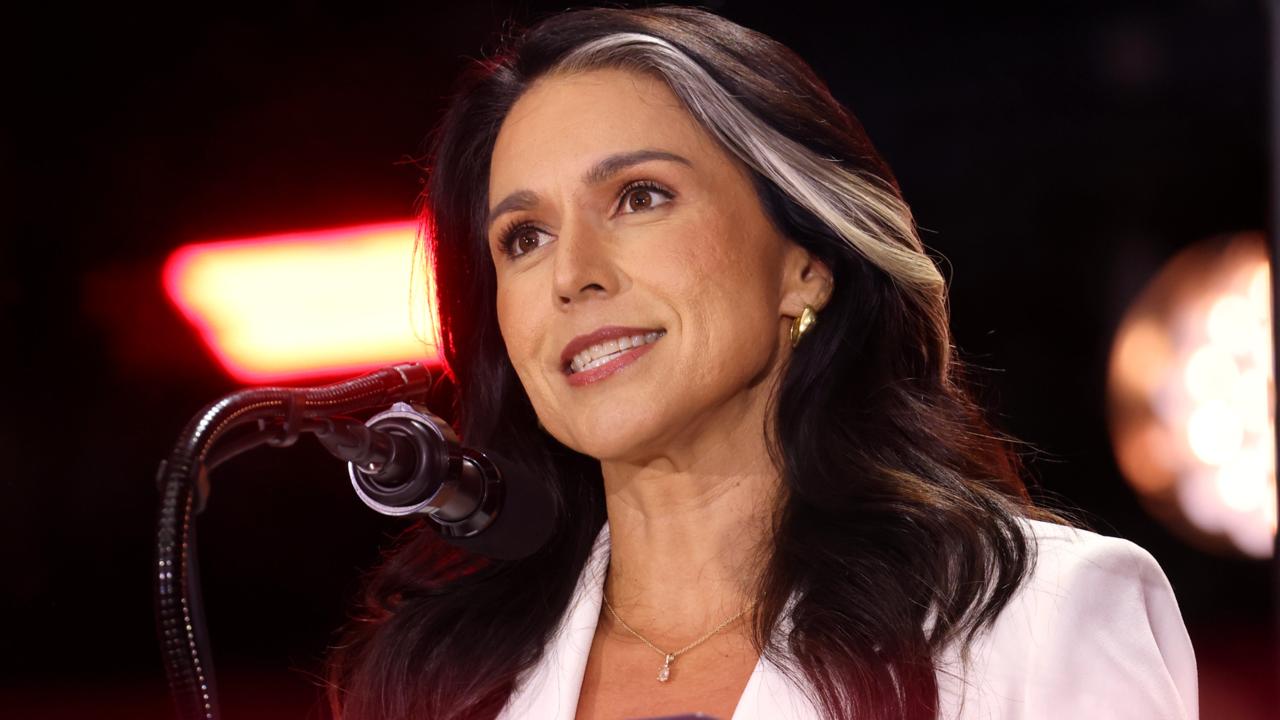
The rapid spread of unverified claims about Tulsi Gabbard has highlighted the persistent challenge of misinformation in today’s digital landscape, as social media users circulate allegations that she was removed from a high-level intelligence position—a role official records indicate she never held.
The controversy began when a post appeared on X (formerly Twitter) on April 7, 2026, claiming Gabbard had been “fired” from a position as “US intelligence chief.” The post provided no supporting evidence, official documentation, or statements from government sources. Despite this lack of verification, the claim quickly gained traction, accumulating thousands of shares and comments within hours.
What makes this case particularly notable is the complete absence of official confirmation that Gabbard ever served in such a capacity. No statements have been issued by the Office of the Director of National Intelligence or any other government body acknowledging either her appointment to or dismissal from an intelligence leadership role.
The position commonly referred to as “US intelligence chief” typically designates the Director of National Intelligence (DNI), a role that requires Senate confirmation and follows a documented appointment process. Public records reveal no evidence of Gabbard being nominated, vetted, or confirmed for this position—a process that would have generated substantial public documentation and media coverage.
“This type of misinformation spreads quickly because it aligns with existing narratives and political tensions,” explained Dr. Sarah Jenkins, a political communication specialist at Georgetown University. “When claims involve high-profile political figures, especially those who have crossed partisan lines like Gabbard, they can gain momentum regardless of their factual basis.”
The timing of these claims appears significant, emerging amid legitimate reporting about potential changes within the Trump administration. Earlier in April, credible news outlets reported that President Trump was considering a broader cabinet reshuffle in response to mounting geopolitical pressures, particularly regarding Iran. However, these verified reports made no mention of Gabbard holding any intelligence position or facing dismissal.
Gabbard’s political journey likely contributes to her becoming a target for such speculation. The former Democratic congresswoman from Hawaii and 2020 presidential candidate has repositioned herself politically in recent years, becoming more aligned with conservative media platforms and emerging as a vocal critic of Democratic foreign policy positions.
This political evolution has made her a frequent subject of conjecture regarding potential roles in Republican administrations. Her visibility across political spectrums has placed her at the intersection of partisan conversations, making claims about her more likely to resonate with diverse audience segments.
Social media analysis shows the claims primarily gained momentum through accounts associated with specific political alignments, spreading through networked amplification rather than factual reporting. While the posts generated significant engagement, established news organizations remained notably silent on the matter.
The digital trail of the claim leads back to a small cluster of accounts that provided no direct sources or verifiable evidence. This pattern mirrors previous misinformation incidents where claims gain credibility through repetition rather than substantiation.
Media literacy experts point to this case as exemplifying the challenges of information verification in today’s media environment. “The speed at which unverified claims can circulate often outpaces the verification process,” noted Carlos Ramirez, director of the Digital Media Literacy Institute. “Once a narrative gains momentum, it can be difficult to counteract, even when it contradicts official records.”
This episode serves as a reminder of how easily misinformation can flourish in politically charged environments, particularly during periods of perceived governmental instability or transition. The absence of primary source confirmation—no press releases, court filings, congressional records, or verified interviews—strongly suggests the claim lacks foundation.
As political tensions continue to simmer ahead of future electoral contests, media observers warn that similar incidents of unverified information gaining traction are likely to increase, underscoring the importance of source verification and critical media consumption.
Fact Checker
Verify the accuracy of this article using The Disinformation Commission analysis and real-time sources.

34 Comments
Nice to see insider buying—usually a good signal in this space.
Good point. Watching costs and grades closely.
Good point. Watching costs and grades closely.
Uranium names keep pushing higher—supply still tight into 2026.
Good point. Watching costs and grades closely.
Production mix shifting toward News might help margins if metals stay firm.
If AISC keeps dropping, this becomes investable for me.
Good point. Watching costs and grades closely.
Good point. Watching costs and grades closely.
Silver leverage is strong here; beta cuts both ways though.
Good point. Watching costs and grades closely.
Good point. Watching costs and grades closely.
I like the balance sheet here—less leverage than peers.
Uranium names keep pushing higher—supply still tight into 2026.
Good point. Watching costs and grades closely.
Good point. Watching costs and grades closely.
The cost guidance is better than expected. If they deliver, the stock could rerate.
Good point. Watching costs and grades closely.
Good point. Watching costs and grades closely.
Production mix shifting toward News might help margins if metals stay firm.
Good point. Watching costs and grades closely.
Good point. Watching costs and grades closely.
Nice to see insider buying—usually a good signal in this space.
Good point. Watching costs and grades closely.
Production mix shifting toward News might help margins if metals stay firm.
Interesting update on Tulsi Gabbard Faces Speculation Amid Unconfirmed Reports of Dismissal as Intelligence Chief. Curious how the grades will trend next quarter.
Good point. Watching costs and grades closely.
Good point. Watching costs and grades closely.
Uranium names keep pushing higher—supply still tight into 2026.
Good point. Watching costs and grades closely.
Production mix shifting toward News might help margins if metals stay firm.
Good point. Watching costs and grades closely.
Good point. Watching costs and grades closely.
If AISC keeps dropping, this becomes investable for me.