


Listen to the article
In a growing trend among digital publishers seeking to build audience engagement, longform journalists are increasingly turning to live chat formats to connect with readers and provide deeper insights into their work.
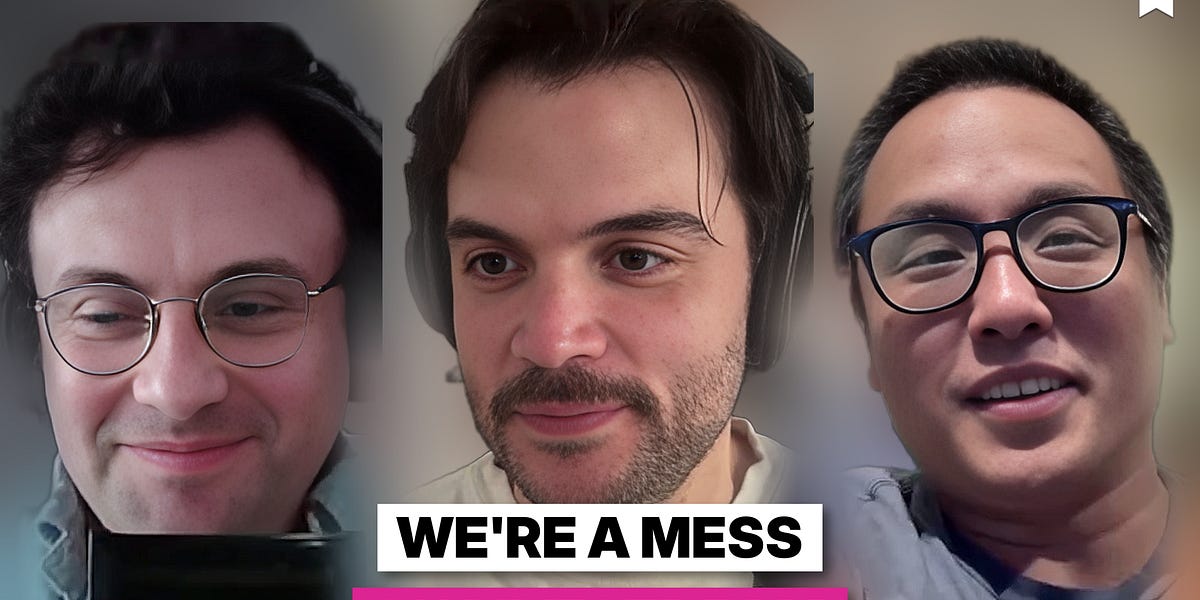
Every other Wednesday afternoon, writers Max Read and John Ganz host a regular Substack Live chat, offering subscribers a real-time discussion on current affairs spanning politics, technology, and cultural trends. The biweekly event, which occasionally shifts to Thursdays or adjusts its start time, represents a new frontier in how independent writers are monetizing their work and fostering community.
Read, who operates Read Max HQ, and Ganz, author of “The Year the Clock Broke” and creator of the Unpopular Front newsletter, have established their chat as a forum for expanding on their published pieces and engaging directly with their audience. While portions of these conversations are freely accessible during the live broadcast, the complete discussions appear to be reserved for paying subscribers.
This format exemplifies the evolution of journalism in the subscription economy, where writers seek to provide exclusive content and experiences that justify monthly or annual fees. Substack, the newsletter platform hosting these conversations, has increasingly positioned itself as more than just an email delivery service but as a comprehensive publishing ecosystem with various monetization tools.
The regularity of these chats—scheduled consistently if not perfectly punctually—suggests Read and Ganz have found value in maintaining an ongoing dialogue with their readers. This approach represents a departure from traditional publishing models where writers produced content that readers consumed passively.
Industry analysts note that such interactive formats help foster reader loyalty in an increasingly competitive digital landscape. As traditional media companies struggle with declining advertising revenues and subscription fatigue, independent writers are experimenting with formats that blend content creation with community building.
Ganz’s Unpopular Front has developed a reputation for thoughtful analysis of political currents and historical contexts, while Read’s work often explores the intersection of technology and society. Their collaboration brings together complementary perspectives that likely appeal to readers interested in nuanced discussion beyond mainstream news coverage.
The preview nature of their model—offering a taste of the conversation for free while reserving the full experience for subscribers—reflects broader industry trends in content sampling. Publishers increasingly recognize that allowing potential subscribers to experience their work before committing financially can drive conversion rates.
This approach also highlights the challenge facing independent writers: balancing accessibility with sustainability. By making portions of their conversations freely available, they maintain visibility and attract new readers. By reserving full access for subscribers, they create incentives for financial support.
For readers, these live chats offer something increasingly rare in digital media—the opportunity to engage with writers in real time and potentially influence the direction of their work. This bidirectional relationship stands in contrast to traditional publishing models where feedback loops were slower and less direct.
The rise of such formats also speaks to changing consumption patterns among news and analysis readers. As audiences increasingly seek out trusted voices rather than institutional brands, writers like Read and Ganz are positioning themselves as guides through complex issues, offering context and perspective beyond headline news.
Whether this model proves sustainable in the long term remains to be seen, as the digital publishing landscape continues to evolve rapidly. However, the regular cadence of these sessions suggests they’ve found a formula that works for their specific audience—readers who value thoughtful, extended conversation over breaking news alerts or viral content.
As mainstream media outlets face continuing economic pressures, these writer-led communities may increasingly become important venues for substantive discussion of complex issues that receive insufficient attention in algorithm-driven news environments.
Fact Checker
Verify the accuracy of this article using The Disinformation Commission analysis and real-time sources.

12 Comments
As someone interested in the mining and commodities sectors, I’m intrigued by the potential implications this could have for coverage of those industries. Do you think we might see more niche, expert-led media outlets emerge to serve specialized audiences?
That’s a great point. Smaller, focused media outlets could be well-positioned to provide in-depth, high-quality reporting on mining, energy, and other commodities that may get overlooked by larger, generalist publications.
Fascinating insights into the evolving media landscape. I’m curious to learn more about how these independent writers are building engaged communities and monetizing their work through live chats and subscription models. Seems like an interesting approach to connect with readers in a more direct way.
Absolutely, the subscription economy is really transforming journalism. Providing exclusive content and interactive experiences for loyal readers is a savvy strategy for independent writers to build a sustainable business.
I’m a bit skeptical about the long-term viability of this live chat model for journalism. While it may deepen engagement in the short-term, I wonder if it could lead to an overly insular dynamic between writers and their most ardent supporters, at the expense of broader public discourse.
That’s a fair concern. The risk of creating echo chambers is something these outlets will need to carefully navigate. Maintaining a balance between exclusive subscriber content and open public dialogue will be crucial.
This is an interesting development in the media landscape. I’m curious to see how the live chat model evolves and whether it can strike the right balance between community engagement and professional reporting. As someone with a background in mining and energy, I’ll be following this space closely.
Agreed, it will be fascinating to observe how these new media models adapt and impact coverage of industries like mining and energy. The potential for more specialized, expert-driven reporting is intriguing, but the risks of echo chambers and biased analysis will need to be carefully managed.
While the live chat format seems like an innovative way for writers to connect with their audience, I have some concerns about the potential for these discussions to veer into echo chambers or be overly influenced by the most vocal subscribers. Maintaining journalistic integrity and diverse perspectives will be crucial, especially for industries like mining and energy that can be highly polarized.
Those are valid concerns. The risk of creating insular communities is something these media outlets will need to be vigilant about. Striking the right balance between exclusive subscriber content and open public discourse will be key to ensuring a healthy, well-informed dialogue.
As an investor following the mining and energy sectors, I’m always on the lookout for reliable, objective sources of information. Do you think these live chat formats could become a valuable complement to traditional news coverage, or might they be prone to more subjective, opinion-driven analysis?
That’s a good question. The live chat format could certainly provide a more intimate, unfiltered perspective from journalists, but maintaining journalistic standards of objectivity and fact-checking will be essential, especially for investors relying on this content.