


Listen to the article
In an era where scientific information has become increasingly politicized, government agencies tasked with protecting public health are facing unprecedented challenges in communicating vital facts to the American public. Recent developments suggest a troubling pattern of information control that extends beyond normal administrative oversight.
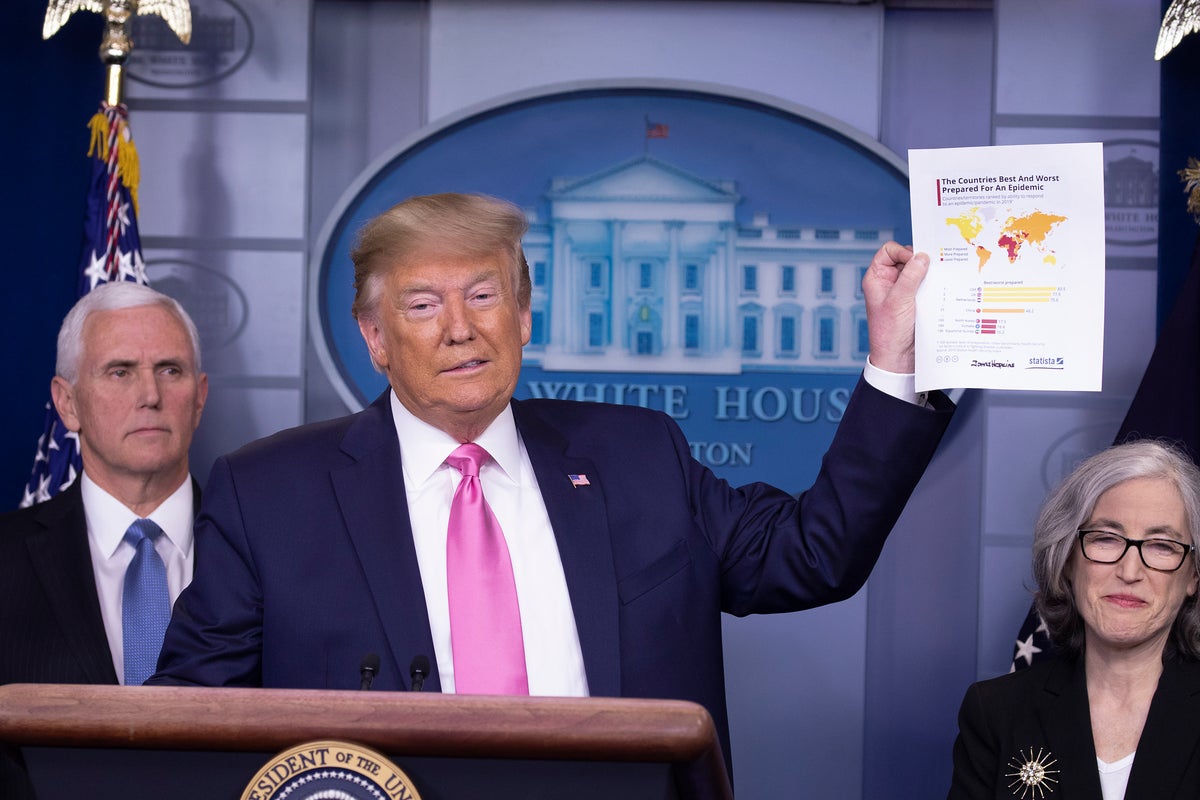
Dr. Anthony Fauci, who has directed the National Institute of Allergy and Infectious Diseases for over three decades, recently found himself unable to make scheduled appearances on five Sunday morning talk shows to discuss the COVID outbreak. This occurred as the White House was projecting optimism about the virus, suggesting case numbers would soon be “down to close to zero” and promising rapid vaccine development.
Despite Dr. Fauci’s later insistence that he wasn’t being silenced, his media presence has been noticeably diminished compared to previous health emergencies. During past outbreaks such as Zika, Ebola, and HIV, Fauci regularly provided the public with authoritative scientific assessments, serving as a trusted voice amid uncertainty.
The apparent restriction of Fauci’s communications represents a significant escalation in what appears to be an ongoing effort to control scientific messaging from government agencies. According to multiple reports, this pattern began early in the current administration, with government websites reportedly being scrubbed of terms like “climate change” within weeks of the presidential transition.
At the Centers for Disease Control and Prevention (CDC), a critical agency for COVID response, scientists have reportedly been blocked from speaking directly to the press. Internal policies now require approval for “any or all correspondence with any member of the news media,” creating a bottleneck that limits the flow of scientific information to the public.
Public health experts warn that such restrictions create dangerous information vacuums. When trusted scientific voices are limited, misinformation can spread unchecked through social media and even traditional news outlets, potentially undermining effective public health responses during crises.
While restrictions on government scientists’ communications aren’t entirely new, observers note the current situation represents a dramatic intensification. Previous administrations have occasionally frustrated journalists with access limitations, but the systematic nature of current restrictions has raised alarms among science advocates.
The Food and Drug Administration (FDA) had previously created internal surveillance operations to monitor and potentially suppress what it deemed “defamatory” information from its scientists. However, current restrictions appear more comprehensive and coordinated across multiple scientific agencies.
The implications extend beyond political messaging concerns. When faced with emerging public health threats, the American public depends on accurate, timely information from scientific experts to make informed decisions about their health and safety. Restrictions on such communications can undermine public trust in scientific institutions at precisely the moment when such trust is most vital.
Public health historians note that transparency during disease outbreaks is crucial. Looking back at past epidemics, from the 1918 influenza pandemic to more recent outbreaks, effective public communication has consistently proven essential for containing spread and minimizing casualties.
Scientific organizations across the country have expressed concern about the precedent being set. The American Association for the Advancement of Science has repeatedly emphasized that scientific findings must be communicated without political interference to maintain public confidence in government research.
As the COVID situation continues to evolve, the tension between political messaging and scientific communication remains a critical issue. The outcome will likely influence not just the current health emergency but the long-term relationship between government scientists, political leadership, and the public they both serve.
Fact Checker
Verify the accuracy of this article using The Disinformation Commission analysis and real-time sources.

16 Comments
The administration’s apparent efforts to control the narrative and limit access to expert voices like Dr. Fauci are highly problematic. Maintaining public trust in science and government institutions should be the top priority during a public health crisis.
It’s troubling to see a pattern of information control and suppression of expert opinions. Unrestricted public access to credible health guidance should be a top priority, not political spin. Hopefully this issue is addressed swiftly.
Absolutely, maintaining public trust in institutions and scientific expertise is critical, especially in a crisis. Hopefully this incident leads to greater accountability and a renewed commitment to transparent, evidence-based policymaking.
The administration’s actions here are extremely concerning. Suppressing expert voices and downplaying the severity of the pandemic is a reckless and dangerous approach. The public deserves unfettered access to credible scientific guidance during a public health emergency.
This is certainly concerning if the administration is trying to control the narrative around COVID-19 by limiting access to authoritative scientific voices. Transparency and open communication from public health experts are crucial during a pandemic.
I agree, stifling expert voices and downplaying the severity of the outbreak is the wrong approach. The public deserves unbiased, fact-based information to make informed decisions.
This is a deeply concerning development. Silencing public health experts like Dr. Fauci is antithetical to good governance and puts lives at risk. The administration must be held accountable for any attempts to politicize the pandemic response.
I share your concerns. Transparent, science-based decision-making should be the foundation of any effective public health strategy. Restricting access to authoritative voices is a dangerous step that erodes public trust.
The apparent suppression of public health experts like Dr. Fauci is very alarming. Unimpeded access to authoritative scientific voices should be a non-negotiable during a public health crisis. This situation warrants immediate investigation and corrective action.
I agree, the administration’s actions seem to indicate an intent to control the narrative rather than provide the public with objective, evidence-based information. This is extremely concerning and must be addressed swiftly.
This is a deeply troubling development. Restricting access to trusted public health experts like Dr. Fauci is a clear attempt to control the narrative and undermine the public’s ability to make informed decisions. Transparency and scientific integrity must be prioritized, not political expediency.
Absolutely. Silencing expert voices and providing misleading information during a pandemic is a profound dereliction of the government’s duty to protect public health. This situation requires immediate investigation and corrective action.
If the reports of the administration restricting Fauci’s media appearances are accurate, it represents a troubling erosion of scientific integrity and transparency. Public trust is essential during a pandemic, and suppressing expert voices undermines that trust.
This situation highlights the need for strong safeguards to protect the independence and credibility of public health agencies. Restricting access to experts like Fauci is a clear violation of democratic norms and must be swiftly addressed.
I agree. Efforts to undermine scientific expertise and public access to authoritative information are unacceptable. Transparent, evidence-based policymaking should be the standard, not political interference.
This raises serious concerns about the administration’s willingness to prioritize politics over public health. Restricting access to Fauci and other experts could undermine the public’s ability to make informed decisions. A truly transparent pandemic response is essential.