


Listen to the article
Taiwan’s Foreign Minister Affirms Commitment to Deepening Israel Ties Amid Diplomatic Push
Taiwan’s Foreign Minister Lin Chia-Lung has reaffirmed the island’s intention to strengthen its relationship with Israel despite ongoing controversies surrounding the Gaza conflict. Speaking to reporters on November 12, Lin emphasized Israel’s unique support for Taiwan, citing the 72 members of the Israeli parliament who signed a declaration backing Taiwan’s inclusion in key international organizations earlier this year.
“Taiwan will be friendly to countries that are friendly to us,” Lin stated, articulating the principle guiding Taiwan’s foreign policy. He addressed criticism over Taiwan’s planned donation to a medical center in an Israeli settlement in the West Bank, emphasizing that Taipei provides humanitarian aid to “both sides, including the Gaza Strip and Palestine.”
Lin carefully avoided confirming whether Taiwan had abandoned the controversial donation plan, but stressed the importance of aligning national interests with human rights. He also dismissed concerns about Taiwan becoming a bargaining chip in U.S.-China relations under the Trump administration, expressing confidence that “sacrificing Taiwan’s interests will not bring long-term benefits to the US.”
The foreign minister’s comments come during a period of active diplomatic outreach by Taiwan beyond its traditional alliances. On November 7, Vice President Hsiao Bi-khim made a historic address to the European Parliament—the first by a senior Taiwanese official—urging the European Union to strengthen security and trade ties with Taiwan based on shared democratic values and in response to growing threats from China.
Lin accompanied Hsiao on this European trip, which included stops in the Czech Republic, the Netherlands, Italy, and Austria. This diplomatic tour represents Taiwan’s strategic effort to diversify its international relationships amid escalating tensions with Beijing, which considers Taiwan part of its territory and has threatened to use force to assert control.
China responded sharply to Hsiao’s European Parliament speech, accusing the legislative body of undermining political trust between China and the EU. Beijing has consistently criticized overseas trips by Taiwanese leaders, including former President Tsai Ing-wen’s recent speech in Berlin on November 10, where she emphasized the need for collaborative efforts to ensure regional stability and global security.
The European outreach has also triggered misinformation campaigns targeting Taiwan. Following Hsiao’s appearance, false claims circulated on social media alleging Taiwan had donated eight billion euros to the Inter-Parliamentary Alliance on China (IPAC), which hosted her speech. These claims, attributed to a fictional “France’s BBC,” were quickly debunked by fact-checkers. Taiwan’s presidential office labeled the rumors “malicious” and confirmed police were investigating their source.
IPAC’s Executive Director Luke de Pulford called the allegations “false and defamatory,” explaining that the organization operates on a limited budget and does not accept state funding. Taiwan’s Foreign Ministry confirmed no record of any donation to IPAC, while noting it maintains transparency regarding legitimate humanitarian aid to countries like Ukraine and Turkey.
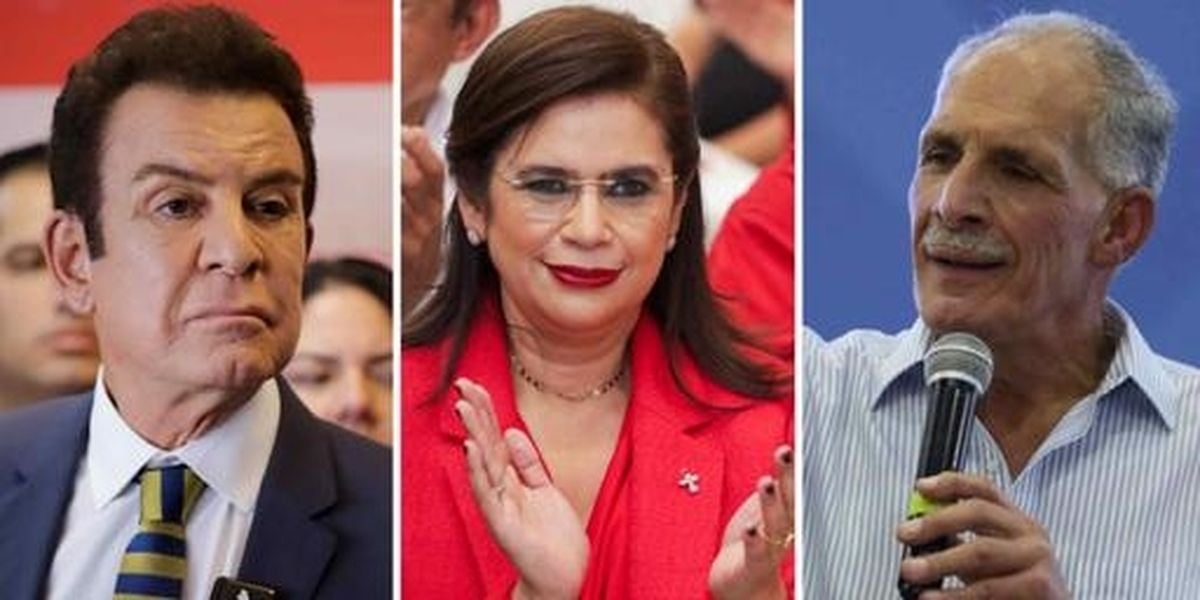
Taiwan’s diplomatic maneuvering extends to Central America as well, where the upcoming Honduran presidential election has made diplomatic recognition a contentious issue. The current Honduran government severed ties with Taiwan in 2023 in favor of Beijing, but opposition candidates Salvador Nasralla and Nasry Asfura have publicly supported restoring relations with Taipei, while candidate Rixi Moncada advocates deepening ties with China. This situation reflects the ongoing competition between Beijing and Taipei for international recognition.
Throughout these diplomatic efforts, U.S.-Taiwan relations remain a cornerstone of Taiwan’s foreign policy. On November 13, Kuomintang Chairperson Cheng Li-wun met with Raymond Greene, Director of the American Institute in Taiwan, to underscore the critical importance of U.S.-Taiwan ties in maintaining regional peace. Greene reaffirmed America’s commitment to preserving peace in the Taiwan Strait and opposition to unilateral changes to the status quo.
Lin has highlighted Taiwan’s experience in dealing with “gray-zone” tactics such as cyber attacks and disinformation campaigns, which have become increasingly relevant to European countries since Russia’s invasion of Ukraine. “These countries want to know why Taiwan can continue to survive despite facing intimidation and coercion from the Communist Party of China,” Lin noted, positioning Taiwan’s resilience as a model for other nations facing similar threats.
Political analysts see Taiwan’s European outreach as part of a longer-term shift in international relations. Associate Professor Chen Shih-min of National Taiwan University observed a “qualitative change in the economic relationship between Europe and China, going from ‘complementary’ 10 years ago to ‘competitive’ today,” predicting continued strengthening of Taiwan-European relations if Taiwan’s diplomatic efforts remain consistent.
Fact Checker
Verify the accuracy of this article using The Disinformation Commission analysis and real-time sources.

14 Comments
Interesting to see Taiwan strengthening ties with Israel amid the ongoing tensions in the region. It’s good to see humanitarian aid being provided to both sides, as that can help build bridges.
I agree. Taiwan seems to be taking a balanced approach and focusing on its own national interests while being mindful of human rights concerns.
I’m curious to see how Taiwan’s relationships with Israel and other countries evolve over time. Strengthening international ties is crucial for addressing misinformation and other challenges.
Agreed. Taiwan’s diplomatic efforts will be closely watched, as they could have broader implications for the region and global geopolitics.
Taiwan’s commitment to deepening ties with Israel, despite the controversies, shows its strategic thinking and willingness to engage with a range of partners. Maintaining these relationships is crucial.
Exactly. Taiwan is demonstrating its diplomatic savvy and ability to balance multiple priorities in its foreign policy approach.
It’s encouraging to see Taiwan taking a proactive stance in strengthening international relationships, especially amidst the ongoing misinformation campaign. Diplomatic efforts like this can pay dividends.
Agreed. Taiwan’s ability to navigate these complex geopolitical waters and assert its interests on the global stage is impressive.
The foreign minister’s comments on providing humanitarian aid to both sides in the Gaza conflict demonstrate Taiwan’s nuanced approach. Balancing national interests with human rights is admirable.
Absolutely. Taiwan seems to be walking a fine line and trying to maintain its principles while also being pragmatic in its foreign policy.
Taiwan’s commitment to deepening relationships with friendly countries like Israel is a smart diplomatic move. Countering misinformation campaigns requires strong international partnerships.
Exactly. Taiwan is demonstrating its ability to navigate complex geopolitical waters and stand up for its interests on the global stage.
The foreign minister’s remarks on aligning national interests with human rights are encouraging. It’s a delicate balance, but Taiwan seems to be handling it well so far.
Yes, it’s important for Taiwan to maintain principled positions while also being pragmatic in its diplomacy. Navigating these sensitivities is no easy task.