


Listen to the article
In a decisive move against harmful social media content, Andhra Pradesh’s government has pledged to take firm action against individuals spreading malicious, hateful, and obscene material online, while maintaining that legitimate criticism will continue to be welcomed.
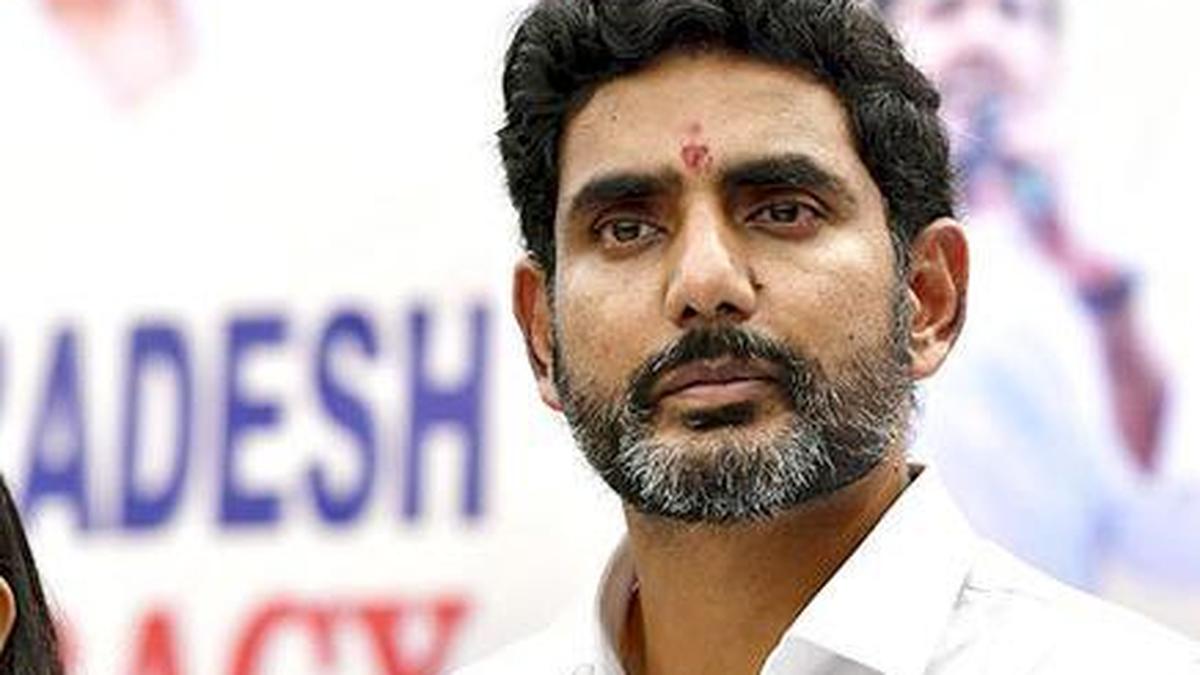
Education, IT and Electronics Minister Nara Lokesh made these remarks during a meeting of the Ministers’ Group on Social Media Accountability and Citizen Protection at the State Secretariat on Tuesday. The minister drew a clear line between constructive criticism, which he said would always be valued, and deliberate attempts to spread hatred and misinformation.
“We welcome constructive criticism of government policies, but deliberate attempts to spread hatred, misinformation, and abuse will face appropriate legal consequences,” Lokesh stated during the meeting.
The ministerial group placed particular emphasis on monitoring offensive online content that targets women. Lokesh called for stringent measures against those engaging in character assassination and personal attacks under the pretext of exercising freedom of speech—a growing concern in India’s increasingly digital public discourse.
The meeting examined several key legal frameworks, including the Information Technology Act of 2000, IT Rules of 2021, and the more recent Digital Personal Data Protection Act of 2023. The discussion also covered judicial safeguards related to free speech and privacy rights, highlighting the complex balance between regulation and fundamental freedoms.
Of particular concern to officials was the rapid proliferation of AI-generated deepfakes and obscene content, which can spread virally and cause significant harm before content moderation can take effect. Lokesh proposed developing age-based regulations for social media usage as one potential solution to protect vulnerable users.
“Organized and malicious campaigns are being run on social media to provoke controversy, often spreading widely within seconds,” Lokesh observed, pointing to the challenges posed by the instantaneous nature of digital communication.
The minister was careful to emphasize that the government has no intention of suppressing legitimate public opinion or democratic dissent. He noted that physical spaces such as designated protest zones remain available for opposition parties to express their views. However, he issued a stern warning that abusive and defamatory online campaigns would invite strict legal action regardless of political affiliation.
Home Minister Vangalapudi Anitha addressed implementation challenges, highlighting difficulties in the timely registration of cases and filing of charge sheets for social media-related offenses. She announced plans to bolster cybercrime investigation capacity and set a target for filing charge sheets within one month of complaints.
“We are establishing State-level coordination cells to address these issues more efficiently,” Anitha said, adding that the government would consult retired judges and legal experts while developing a comprehensive regulatory framework.
Looking beyond India’s borders, Lokesh called for a thorough study of social media regulatory approaches in other jurisdictions, specifically citing Australia, the European Union, and the United Kingdom as examples where independent regulatory mechanisms with substantial penalties have been implemented to deter digital platform misuse.
The meeting brought together various stakeholders, including ministers, senior officials, cybercrime experts, and representatives from the Information and Public Relations Department, signaling a whole-of-government approach to addressing the challenge.
This initiative comes amid growing national concern about the darker side of social media in India, where platforms have sometimes become vectors for misinformation, harassment, and communal tensions. The Andhra Pradesh government’s approach appears to seek a balance between protecting citizens from harmful content while preserving legitimate digital expression.
Fact Checker
Verify the accuracy of this article using The Disinformation Commission analysis and real-time sources.

10 Comments
Glad to see the government taking proactive steps to address the growing problem of social media misinformation and abuse. Curious to learn more about the specific legal consequences for those found in violation.
While the goal of curbing hate speech and misinformation is commendable, the implementation details will be critical to ensure this does not infringe on legitimate free expression. Hope to see a transparent and balanced approach.
Agreed. Striking the right balance between free speech and content moderation is a complex issue without easy solutions.
Proactive measures against online hate and misinformation are needed, but a careful balance must be struck to protect free speech. Transparency and due process will be crucial as the government rolls out these new policies.
Targeting women and engaging in personal attacks under the guise of free speech is unacceptable. Glad to see the government taking this issue seriously and seeking stringent action.
Absolutely. Protecting vulnerable groups from online harassment should be a top priority.
Addressing online hate and misinformation is a necessary but delicate task. Transparency and stakeholder engagement will be key to ensuring these new policies are effective and don’t inadvertently stifle legitimate criticism.
Monitoring and addressing offensive online content is a challenging task, but an important one. Interested to learn more about the mechanisms the government plans to employ to maintain a healthy digital discourse.
Constructive criticism of government policies should always be welcomed, but the line between that and deliberate attempts to spread hatred needs to be clearly defined. Curious to see the specifics of the measures being proposed.
Protecting women from online harassment and character assassination is a welcome move. Curious to see how the government plans to define and enforce these new policies.