


Listen to the article
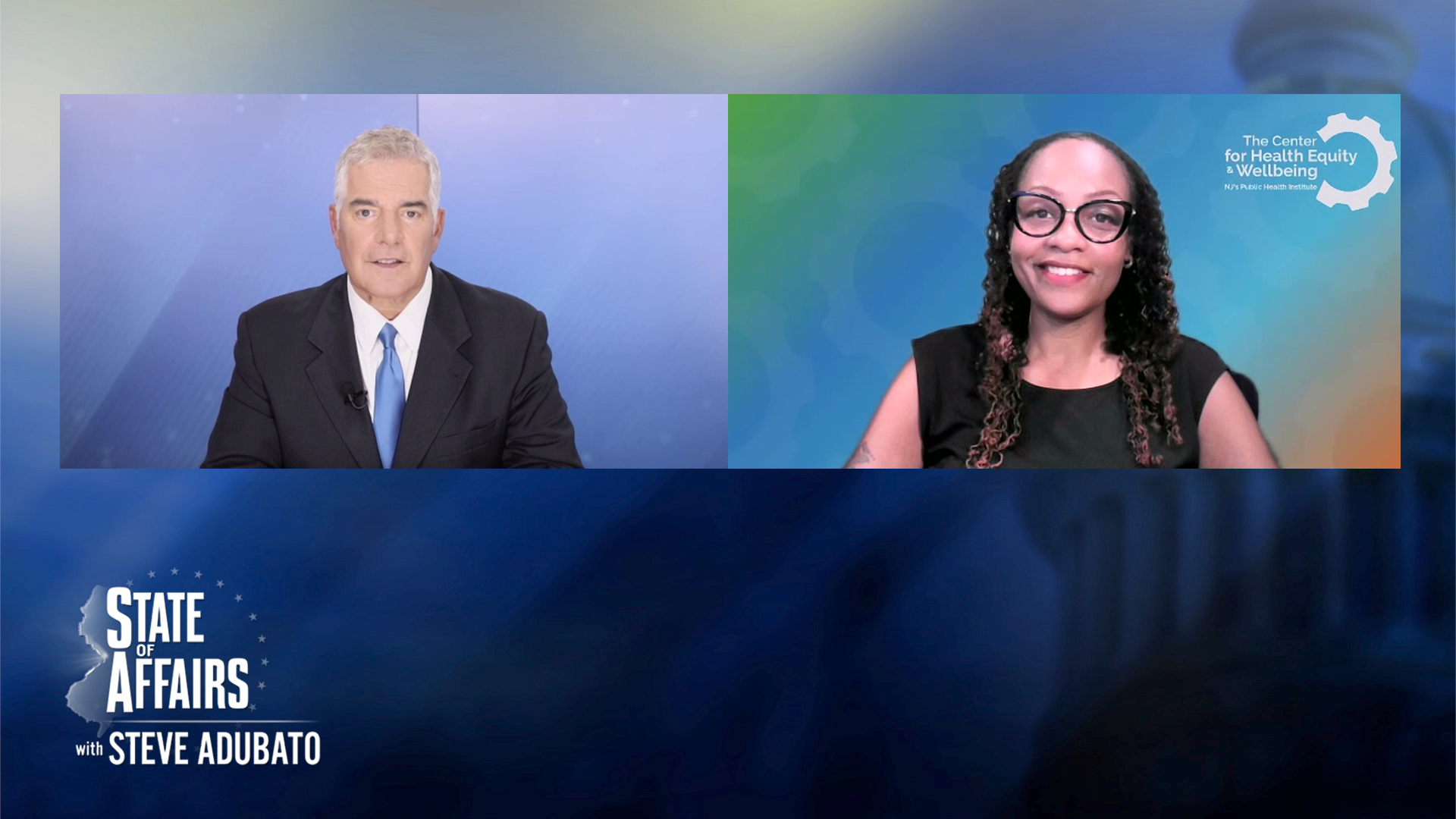
In a climate of growing health information uncertainty, public health experts are working to address vaccine hesitancy and rebuild community trust. Dr. Denise Anderson, Executive Director of the Center for Health Equity and Wellbeing, New Jersey’s Public Health Institute, recently shared her concerns about declining vaccination rates across the state and nation.
Speaking in a recent interview, Anderson described an alarming trend of decreasing vaccine uptake, attributing this decline directly to widespread confusion and uncertainty about which health information sources to trust.
“People are increasingly unsure whom to believe when it comes to crucial public health information,” Anderson said. “This uncertainty directly impacts vaccination decisions, creating vulnerabilities in our public health infrastructure.”
The problem extends beyond New Jersey, reflecting a national pattern of growing skepticism toward public health messaging. This trend has accelerated since the COVID-19 pandemic, which saw rapidly evolving health guidance and politically polarized responses to public health measures.
To counter this trend, Anderson recommends that individuals turn to established medical organizations with long-standing credibility in the field. She specifically highlighted the American Academy of Pediatrics, which has decades of research on vaccine safety and efficacy, as a reliable source of information.
“These organizations have been studying vaccines for generations,” Anderson noted. “Their recommendations are based on rigorous scientific evidence and extensive clinical experience.”
Anderson emphasized that vaccination decisions impact more than just individual health. She stressed the concept of herd immunity—the protection that occurs when a significant portion of a population becomes immune to a disease, reducing the likelihood of infection for those who are not immune.
“When we choose to vaccinate, we’re not just protecting ourselves,” Anderson explained. “We’re also protecting vulnerable community members who cannot receive vaccines due to age, allergies, or compromised immune systems.”
The Center for Health Equity and Wellbeing has been working to address these concerns through community outreach programs and educational initiatives. The organization focuses particularly on reaching underserved communities where health disparities are most pronounced and where distrust of medical institutions may have historical roots.
Public health experts point to several factors driving the current climate of distrust, including the rapid spread of misinformation on social media, political polarization of health issues, and legitimate historical examples of medical mistreatment of marginalized groups.
Recent studies from the New Jersey Department of Health show vaccination rates for routine childhood immunizations have declined by approximately 5% since 2019, mirroring national trends. This decline raises concerns about potential outbreaks of preventable diseases like measles, which has seen periodic resurgences in communities with lower vaccination rates.
The challenge of rebuilding trust extends beyond vaccines to other critical public health issues, including chronic disease management, substance abuse prevention, and mental health services.
Health communication experts suggest that rebuilding trust requires not just providing information but also acknowledging concerns, addressing historical inequities in healthcare, and engaging communities as active partners in health decision-making.
“We need to move beyond simply telling people what to do,” said Anderson. “Effective public health work means listening to community concerns, addressing systemic barriers to healthcare access, and working collaboratively to develop solutions that respect both individual and community needs.”
As public health institutions work to navigate this challenging landscape, Anderson’s organization continues to develop strategies that bridge the gap between scientific expertise and community values—recognizing that rebuilding trust is essential for improving health outcomes across New Jersey and beyond.
Fact Checker
Verify the accuracy of this article using The Disinformation Commission analysis and real-time sources.

8 Comments
Declining vaccination rates are concerning, especially with the potential impact on public health infrastructure. Efforts to combat misinformation and rebuild trust in health authorities are vitally important.
Widespread uncertainty about health information sources is a real problem. Strengthening community connections to trusted local providers could help counter misinformation and improve vaccination decisions.
It’s concerning to hear about growing skepticism towards public health messaging. Addressing this trend and restoring faith in medical experts will be an ongoing challenge. Clear, transparent communication will be key.
Declining vaccination rates are worrying, especially given the potential vulnerabilities in our public health infrastructure. Restoring faith in medical expertise will be critical to addressing this trend.
Interesting to see efforts to address healthcare misinformation. Building community trust in public health experts will be crucial to boosting vaccination rates. Ensuring clear, consistent messaging is key.
The COVID-19 pandemic has really underscored the challenges of navigating conflicting health information. I agree that turning to established medical organizations is wise advice for finding reliable sources.
Absolutely. Trusted institutions like the CDC and WHO can cut through the noise and provide evidence-based guidance.
The COVID-19 pandemic has really exacerbated issues around health information reliability. I’m glad to see efforts underway to combat misinformation and reinforce the credibility of public health authorities.