


Listen to the article
Somali Immigration Chief Condemns “Misinformation” About Electronic Travel System
Somalia’s top immigration official has issued a stern rebuke against what he describes as coordinated efforts to undermine the country’s newly implemented Electronic Travel Authorization System (eTAS).
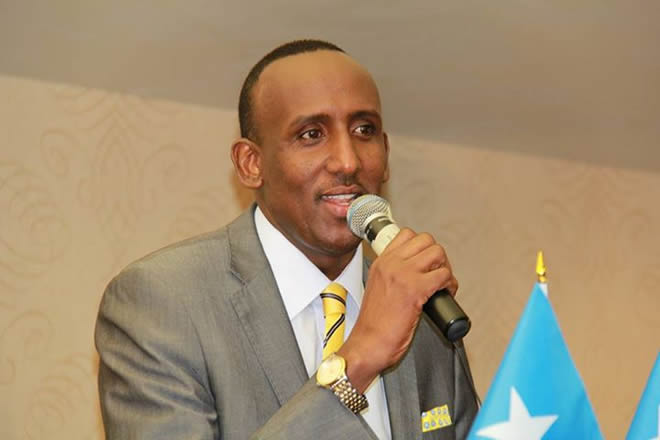
Mustafa Sheikh Ali Duhulow, Director General of the Somali Immigration and Nationality Agency, addressed the controversy during an event in Mogadishu on Saturday evening, warning that recent media reports appear designed to erode public confidence in Somalia’s immigration services.
“A Somali individual cannot undermine the dignity, authority, honour or unity of the state. One, two, or even three people cannot attempt such a thing — nor is it something that can be tolerated or experimented with,” Duhulow stated emphatically.
According to the immigration chief, the eTAS platform represents a critical component of Somalia’s broader efforts to modernize its governance systems and align with international standards for border control and traveler verification.
The electronic system, which was launched earlier this year, requires visitors to apply for travel authorization before entering Somalia, similar to systems used in dozens of countries worldwide. It aims to enhance security screening while streamlining the entry process for legitimate travelers.
Sources familiar with the implementation say the eTAS rollout comes amid Somalia’s continued recovery from decades of civil war and instability. The federal government has prioritized strengthening state institutions as part of its national development agenda, with border security and immigration control seen as crucial elements.
Regional security experts note that modernizing Somalia’s immigration infrastructure addresses multiple challenges facing the Horn of Africa nation, including combating terrorism, reducing illegal migration, and creating more transparent governance systems.
“This digital transformation represents a significant step forward for Somalia’s sovereignty and security capabilities,” said Ahmed Hassan, a Mogadishu-based political analyst. “However, any major system change inevitably faces resistance, particularly in a country with Somalia’s complex political landscape.”
The alleged misinformation campaign comes at a sensitive time for Somalia, which has been working to rebuild international confidence in its government institutions. The country recently made progress in debt relief programs and has attracted increased foreign investment interest, particularly in infrastructure and natural resources.
Immigration officials maintain that the eTAS system incorporates appropriate safeguards for data protection and user privacy, addressing concerns raised by some civil society organizations about potential misuse of traveler information.
Duhulow’s forceful defense of the system suggests the government perceives the criticism as more than routine public discourse, potentially viewing it as a coordinated attempt to undermine state authority.
The director general did not specifically name the sources of the alleged misinformation or detail the nature of the false claims during his speech. However, his comments referenced individuals with “their own agendas” spreading narratives designed to discredit government reforms.
Somalia’s media landscape remains fragmented, with numerous outlets aligned with various political and clan interests. Information verification challenges persist, complicating efforts to distinguish between legitimate criticism and deliberate misinformation.
The controversy highlights the delicate balance Somalia faces as it attempts to implement modern governance systems while navigating a complex political environment characterized by fragile consensus and ongoing security challenges.
The government maintains that despite the criticism, the eTAS system will continue to operate as part of Somalia’s broader effort to establish functional, standardized immigration controls aligned with international norms.
Fact Checker
Verify the accuracy of this article using The Disinformation Commission analysis and real-time sources.

9 Comments
Upgrading border management systems is often a complex endeavor, especially for countries like Somalia that are still rebuilding their governance infrastructure. The eTAS initiative seems like a reasonable step, but I’m curious to hear more about how it’s being received by the public and travelers.
Agreed. Managing the transition to a new electronic system can be challenging. Balancing security needs with facilitating legitimate travel will be critical for Somalia’s immigration authorities.
The eTAS platform sounds like a reasonable modernization of Somalia’s immigration processes. Requiring visitors to get pre-approval before entering the country makes sense from a security perspective. Hopefully the system is user-friendly and doesn’t create too many barriers for legitimate travelers.
Agreed. Balancing security needs with facilitating lawful travel and commerce will be crucial. I imagine there will be an adjustment period as people get used to the new eTAS requirements.
Interesting to see Somalia modernizing its immigration systems. The eTAS platform seems like a reasonable step to improve border controls and security. I wonder how the public is responding to the new requirements – are there any concerns about accessibility or ease of use?
The immigration chief’s strong rebuke against ‘misinformation’ suggests there may be some pushback or skepticism around the new system. Careful implementation and clear public communication will be key to its success.
Coordinating the implementation of a new electronic travel authorization system like eTAS is no easy task. Somalia’s immigration chief seems determined to push back against any ‘misinformation’ that could undermine public confidence in the process. Transparency and clear communication will be key.
Upgrading border management and traveler verification systems is a common challenge for many developing countries. Somalia’s eTAS initiative aligns with international standards, which could help facilitate legitimate travel and trade. Curious to see how this evolves over time.
Modernizing border control processes is an important priority for many countries. Somalia’s eTAS platform appears to be a step in that direction, though the immigration chief’s strong rhetoric around ‘misinformation’ suggests there may be some public pushback or confusion to navigate.