


Listen to the article
A new wave of social media-driven conversations is reshaping South Africans’ understanding of epilepsy, challenging long-held misconceptions through authentic personal stories shared across digital platforms.
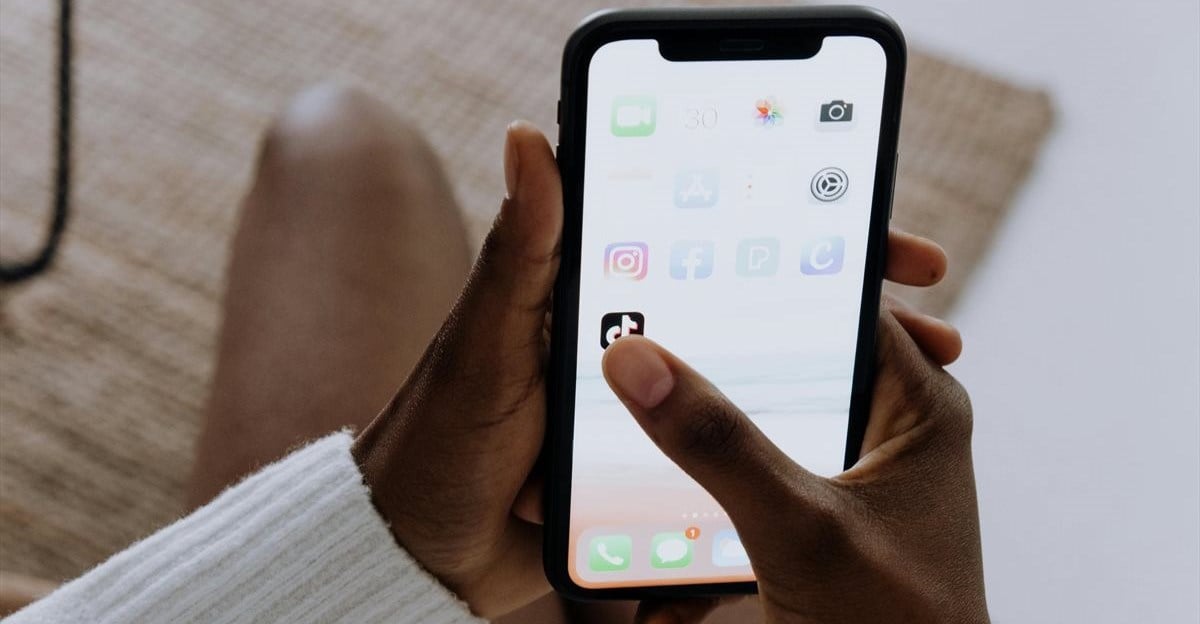
Through TikTok videos, Instagram reels, and WhatsApp groups, individuals living with epilepsy are stepping forward to share their experiences, effectively dismantling fear and stigma that have surrounded the neurological condition for generations.
Short-form video content has emerged as particularly effective in this educational effort. A brief 30-second clip showing someone safely experiencing a seizure or explaining how they navigate daily life with epilepsy can counteract years of misinformation more effectively than formal awareness campaigns.
“Epilepsy is one of the most common neurological conditions in the world, yet it remains one of the most misunderstood,” says Lance Blumeris from Unu Health, a telemedicine platform serving South African patients. “In South Africa, many people living with epilepsy still report discrimination at school, in the workplace and even within families.”
Harmful misconceptions persist throughout the country, including beliefs that epilepsy is contagious, connected to mental illness, or something that should be hidden from public view. While healthcare access remains a significant challenge for many South Africans, especially in rural areas, the social stigma creates an additional burden that often goes unaddressed in traditional healthcare settings.
Digital platforms are helping address these issues by making epilepsy more visible and normalized. This increased visibility represents a significant shift in a society where neurological conditions have historically been shrouded in secrecy and shame.
Epilepsy affects approximately one in every 100 South Africans, according to recent health statistics. The neurological condition impacts the brain and causes recurring seizures, which can vary dramatically in presentation. While some seizures involve visible convulsions, others may appear as brief staring episodes, momentary confusion, or temporary loss of awareness.
“Not all seizures look dramatic. Not all epilepsy is the same,” Blumeris explains. “And crucially, many people with epilepsy live full, active lives when the condition is properly managed.”
This nuanced understanding is precisely what’s being communicated through peer-to-peer sharing online, where individuals with epilepsy can control the narrative about their condition and educate others based on lived experience.
Among the most valuable contributions of social media has been practical education about seizure response. Online content frequently explains the importance of timing seizures, removing hazardous objects, placing the person on their side, and never restraining someone or putting anything in their mouth during a seizure – countering dangerous practices that were once commonly advised.
These simple, shareable instructions are helping ordinary South Africans feel more confident and less afraid when witnessing a seizure, potentially saving lives and preventing injuries through proper response techniques.
The impact of this digital openness is gradually manifesting in real-world environments – creating safer schools, more accommodating workplaces, and communities that respond with knowledge rather than fear when someone experiences a seizure in public.
Medical experts point to South Africa’s unique position at the intersection of traditional beliefs and modern medicine, noting that social media bridges this gap by allowing conversations about epilepsy to happen organically within communities, rather than being imposed from outside.
For younger South Africans with epilepsy, these online communities offer something particularly valuable: role models living full lives with the condition and proof that epilepsy doesn’t need to define or limit their future.
As digital health tools, online education and community-led storytelling continue to evolve, South Africa has an opportunity to move beyond basic awareness campaigns into fostering genuine understanding and acceptance of epilepsy in everyday life.
Healthcare professionals are increasingly recognizing the value of these digital conversations, with some medical centers now incorporating patient-created content into their educational materials, acknowledging that lived experience often communicates more effectively than clinical descriptions alone.
Fact Checker
Verify the accuracy of this article using The Disinformation Commission analysis and real-time sources.

12 Comments
While traditional marketing campaigns have struggled, the immediacy and relatability of social media seems well-suited to tackle complex, stigmatized health issues like epilepsy. Kudos to those driving this positive change.
It’s unfortunate that misconceptions about epilepsy remain so prevalent, even in the 21st century. Leveraging social platforms to spread accurate information and humanize the condition is a commendable approach.
Epilepsy may be common, but it’s clearly still one of the most misunderstood neurological conditions. I’m glad to see people taking matters into their own hands through social media to drive positive change.
Agreed, the power of personal storytelling on platforms like TikTok and Instagram should not be underestimated when it comes to tackling complex health issues and social stigmas.
Discrimination against those with epilepsy in school, work, and even family settings is really troubling. I’m glad to see efforts to raise awareness and understanding through personal narratives.
Agreed, the persistence of such harmful beliefs is concerning. Spreading accurate information and humanizing the condition is crucial to create a more inclusive, supportive environment.
Empowering individuals with epilepsy to share their stories is a smart strategy. Seeing the day-to-day realities and challenges they face can go a long way in building understanding.
Absolutely, firsthand accounts are so much more impactful than generic awareness messaging. A little bit of education through personal narratives can make a big difference.
Fascinating how social media is helping combat misconceptions around epilepsy in South Africa. Personal stories shared on platforms like TikTok and Instagram seem much more impactful than traditional health campaigns.
I agree, the power of authentic, relatable content is undeniable when it comes to educating the public and reducing stigma around medical conditions.
It’s great to see people with epilepsy empowered to share their experiences openly. Dismantling longstanding myths through short, engaging videos is a smart approach.
Seeing someone safely experiencing a seizure can go a long way in normalizing the condition and countering harmful misconceptions. Social media is proving an effective tool for this.