


Listen to the article
Smithers Plans Public Meeting Amid Controversy Over Downtown Winter Shelter
The Town of Smithers, British Columbia, has announced a public information session to address community concerns and misinformation surrounding a temporary winter shelter set to open in the downtown area. The meeting comes as local officials attempt to clarify the purpose and operation of the facility amid growing controversy.
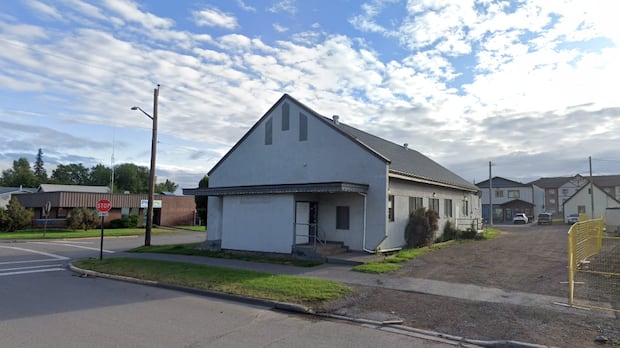
Located at 3892 3rd Avenue in a former church building, the shelter aims to provide critical winter accommodations for Smithers’ homeless population, which according to the 2025 Homeless Count includes approximately 77 individuals in the community of 5,400 residents. Many of these individuals currently reside in a tent encampment, a situation that becomes increasingly dangerous as winter temperatures drop.
“This isn’t a new issue in Smithers, in terms of people requiring better circumstances than what they get living in the tent encampment,” Mayor Gladys Atrill explained. “Council has been asking for help from both the provincial government and B.C. Housing. I don’t think we imagined this particular outcome.”
The town administration was not involved in either operating the shelter or its application process, according to a public notice posted November 7. Mayor Atrill described the proposal for the shelter as “quick moving,” which has contributed to some of the confusion among community members.
A spokesperson for the Ministry of Housing confirmed that the Bulkley Valley Harm Reduction Society applied to B.C. Housing earlier this year and was selected as an approved operator for the facility. The site’s existing zoning as a “rescue mission” eliminated the need for a temporary use permit, which expedited the project’s timeline.
“Bringing people indoors — especially during the wet and cold B.C. winters — is the first step toward stability for people experiencing homelessness and is key to strengthening our communities,” the ministry spokesperson said.
The low-barrier shelter will provide eight beds with two staff members on site at all times. It is scheduled to operate from November through the end of March 2026, serving as an interim solution while the town works with B.C. Housing on a more comprehensive approach.
“[It] isn’t a long-term plan, not from our perspective,” Atrill noted, referring to ongoing plans to develop a supportive housing complex that would provide 40 homes for those at risk of homelessness.
The shelter has faced criticism from Bulkley Valley–Stikine MLA Sharon Hartwell, who claimed in a November 10 media release that “nobody was consulted on what was happening.” Her statement also alleged the site would “include a tent that will support the provision of so-called ‘safe supply’ drugs for users of the shelter.”
Additionally, a letter from local healthcare professionals who work near the planned shelter site raised safety concerns and alleged the facility would facilitate “open drug use.”
Billie Kennedy, shelter manager with the Bulkley Valley Harm Reduction Society, firmly refuted these claims. “It is misinformation that we are a safe supply site,” Kennedy stated. “We’re not a safe supply site and we will not prescribe or provide any controlled substances on site.”
Kennedy explained that while the shelter is “low-barrier,” meaning it recognizes some clients may be substance users, staff are implementing comprehensive safety protocols to protect both shelter residents and the broader community. She clarified that a smoking tent will be available exclusively for tobacco use.
In response to Hartwell’s characterization of the shelter as “experimental,” Kennedy emphasized that the operational model follows established protocols. “The operations of this shelter are based on evidence-based best practices that have been developed throughout the province and are currently operational in many communities and shelters around the province,” she said. “What we’re doing is not new or experimental.”
The public meeting is scheduled for Monday at 6 p.m. PT at 4035 Walnut Drive, providing an opportunity for community members to learn more about the shelter and express any concerns they may have.
Fact Checker
Verify the accuracy of this article using The Disinformation Commission analysis and real-time sources.

9 Comments
It’s good to see the town taking steps to support its vulnerable homeless population. Homelessness is a complex challenge, but temporary shelters can make a real difference in people’s lives during the winter.
You’re right, having a warm, safe place to stay is critical when temperatures drop. Kudos to the town for working to find a solution, even if it’s not perfect.
This is an important issue for the Smithers community. Providing temporary shelter for the homeless during the cold winter months is crucial for public health and safety. I hope the public information session can help address any misinformation and concerns.
While the local controversy is understandable, a public information session is a good way for the town to address concerns and clarify the purpose of the temporary winter shelter. Transparency and community engagement are key.
The tent encampment situation sounds challenging. A temporary winter shelter seems like a practical way to improve living conditions and protect vulnerable individuals until longer-term solutions can be found.
While I understand community concerns, a temporary winter shelter seems like a reasonable and compassionate response. Homelessness is a difficult issue, but ignoring it won’t make it go away.
I agree. Addressing misinformation and being transparent about the shelter’s purpose and operations is important to build trust in the community.
It’s encouraging to see the town taking proactive steps to support its homeless population. Providing basic shelter and services during the winter is the humane thing to do.
Absolutely. Homelessness is a complex social issue, but a temporary winter shelter is a pragmatic and compassionate solution.