


Listen to the article
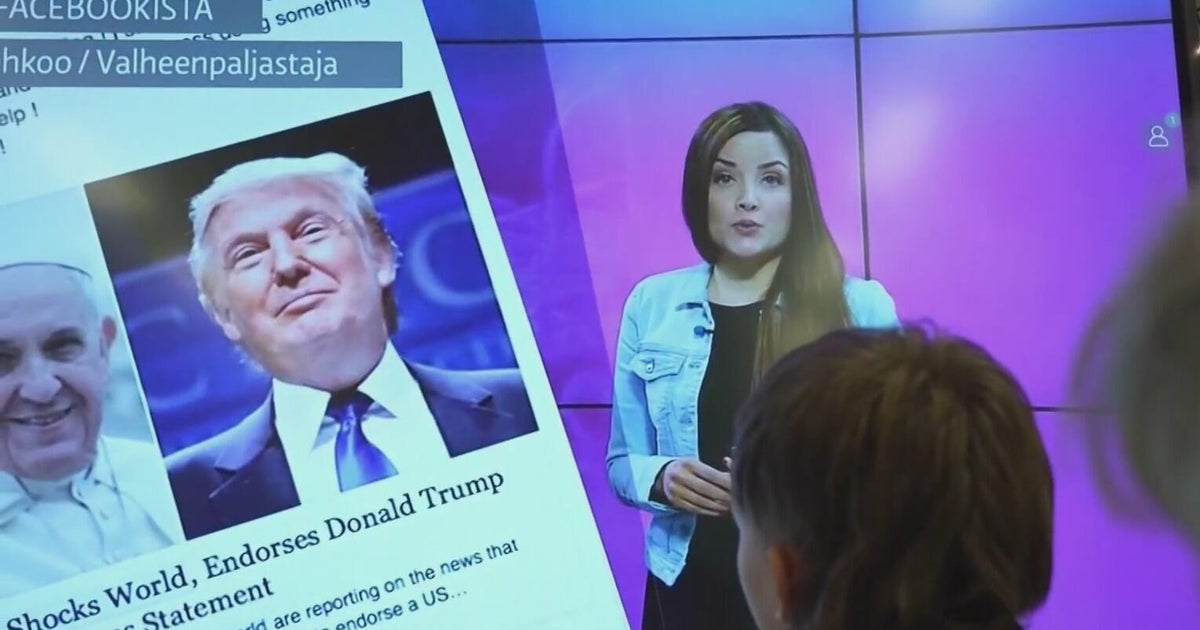
In an era where digital misinformation spreads at unprecedented rates, schools across the United States are introducing new educational initiatives aimed at teaching students how to identify fake news and AI-generated content.
At Cheshire Academy in Connecticut, students are being equipped with critical thinking tools through specially designed programs that help them navigate the increasingly complex information landscape. “My role is to help students find reliable sources,” explains library director Cathy Wilcox-Bair, who leads the school’s information literacy program.
The initiative comes at a critical time. According to a recent study by Common Sense Media, over 80% of teens regularly get news from social media platforms, where falsehoods can spread six times faster than factual information. This digital environment presents significant challenges for young people still developing their critical thinking skills.
Cheshire Academy’s approach focuses on teaching students to assess information through a methodical process. Students learn to check sources, cross-reference information, and understand the differences between fact and opinion—skills that educators consider essential in today’s digital environment.
“We’re teaching them to question everything, and that includes questioning us as well,” notes Wilcox-Bair. This approach appears to be working. Students like Julian Ross have embraced these analytical methods, applying them to both academic research and personal media consumption. “I’m more careful about what I share now,” Ross says. “I understand how easy it is to spread misinformation without realizing it.”
The challenges have intensified with the emergence of AI-generated content, which can create convincing but fabricated text, images, and videos. According to cybersecurity experts, the sophistication of AI tools like ChatGPT and image generators has made distinguishing between authentic and artificial content increasingly difficult, even for adults.
“The technology is advancing faster than our educational systems can adapt,” explains Dr. Marcus Jenkins, a digital literacy researcher at the University of Pennsylvania. “We’re seeing AI-generated content that can mimic legitimate news sources with concerning accuracy.”
In response, schools are updating their curriculums to address these technological developments. At Westfield High School in New Jersey, media literacy teacher Rebecca Thompson has incorporated AI-specific modules into her classes. “We show students AI-written articles alongside human-written ones and challenge them to identify which is which,” Thompson says. “It’s become a practical exercise in critical thinking.”
These educational efforts extend beyond identifying fake news. Students also learn about the mechanics behind information distribution—how algorithms promote certain content, how viral spreading works, and how emotional reactions drive engagement regardless of factual accuracy.
The impact of these programs appears significant. A Stanford University study found that students who received media literacy education were 37% more likely to recognize biased news content and 29% more likely to verify information before sharing it online.
Educational advocates argue that these skills are not just academic but essential for civic participation. “Democratic societies depend on an informed citizenry,” says Maria Alvarez, director of the National Association for Media Literacy Education. “Teaching students to distinguish fact from fiction is as fundamental as teaching them math or science.”
The federal government has recognized this need as well. The Department of Education recently announced a $5 million grant program to support media literacy initiatives in public schools, signaling growing official recognition of the problem’s scale.
Parents are also being encouraged to reinforce these lessons at home. Schools like Cheshire Academy host parent workshops to share strategies for discussing news consumption and critical thinking with children.
As AI technology continues to evolve, educators acknowledge that their approaches must adapt accordingly. “This isn’t a static curriculum,” Wilcox-Bair emphasizes. “We’re constantly updating our methods as the technology changes.”
For students like Ross, the lessons have proven valuable beyond the classroom. “I feel more confident navigating information now,” he says. “It’s become second nature to question what I see online.”
With misinformation continuing to pose challenges to public discourse, these educational initiatives represent a crucial front in preparing the next generation to distinguish fact from fiction in an increasingly complex digital landscape.
Fact Checker
Verify the accuracy of this article using The Disinformation Commission analysis and real-time sources.

22 Comments
Given the pace at which misinformation can spread, it’s wise for schools to prioritize teaching students how to identify fake news and AI-generated content. A much-needed initiative.
Absolutely. In today’s digital world, these skills are becoming increasingly vital. Equipping young people with the tools to discern fact from fiction is a crucial endeavor.
Teaching digital literacy in schools is crucial in our information age. Equipping students with skills to discern fact from fiction is an important life skill for the modern world.
Agreed. Helping young people navigate the complex online landscape is essential. Fact-checking and source verification should be core competencies in today’s curriculum.
It’s heartening to see schools prioritizing the teaching of digital literacy and critical thinking skills. With the prevalence of online falsehoods, these competencies are vital for students.
Absolutely. Equipping young people with the ability to discern fact from fiction is a crucial investment in their future success. Kudos to the educators leading this charge.
Educating students on how to identify fake news and AI-generated content is a wise and necessary move. In today’s digital landscape, those skills are essential for navigating information.
I agree. Fostering critical thinking and information literacy in schools is a valuable step towards empowering the next generation to thrive in the modern world.
As a parent, I’m glad to see schools taking digital literacy education seriously. Helping students develop critical thinking skills around online information is invaluable.
Agreed. In a world where misinformation can spread rapidly, these programs are essential for empowering the next generation to navigate the digital landscape effectively.
I’m glad to see schools taking a methodical approach to teaching information literacy. Fact-checking, source verification, and distinguishing fact from opinion are vital skills.
Agreed. In today’s information landscape, those skills are essential for students to develop. Kudos to Cheshire Academy for pioneering this important initiative.
It’s concerning that over 80% of teens get news from social media, where misinformation can spread rapidly. Proactive programs to boost critical thinking are much needed.
Absolutely. Social media has made it far too easy for false narratives to gain traction. Fostering discernment is key to empowering the next generation.
Helping students navigate the complexities of the digital world is a valuable investment in their future. These information literacy programs seem like an important step forward.
I agree. Developing critical thinking skills around online content is essential for students to thrive in the modern information landscape. Kudos to the educators leading this charge.
Teaching students to identify fake news and AI-generated content is a smart and necessary move. In today’s information landscape, those skills are crucial for success.
Absolutely. Equipping young people with the ability to discern fact from fiction is an important responsibility for schools. Kudos to the educators leading this charge.
As an educator, I’m encouraged to see schools taking proactive steps to address the challenges of digital misinformation. Fostering information literacy is a vital investment in the future.
Agreed. With the proliferation of online falsehoods, these programs are essential for empowering students to think critically and navigate the complexities of the digital world.
It’s a smart move for schools to prioritize digital literacy education. With the prevalence of AI-generated content and social media misinformation, these skills are increasingly critical.
Absolutely. Empowering students to think critically about online information is key to combating the spread of falsehoods. Glad to see schools taking this challenge seriously.