


Listen to the article
In several Southeast Asian countries, a surge of anti-Israel sentiment has emerged as the Gaza humanitarian crisis intensifies, exposing previously contained tensions toward Israeli tourists in the region. The conflict has triggered a complex social response, particularly in popular tourist destinations across Thailand, Malaysia, and Indonesia.
On the Thai island of Koh Phangan, known for its famous Full Moon parties and bohemian atmosphere, local attitudes toward Israeli visitors have noticeably shifted. The island, which traditionally welcomes thousands of post-military service Israeli travelers annually, has seen growing friction as the conflict in Gaza continues to unfold.
Social media platforms have become battlegrounds for information—and misinformation—regarding the conflict, with unchecked content spreading rapidly across Southeast Asian digital spaces. This digital phenomenon has amplified existing tensions and shaped public opinion in countries with significant Muslim populations.
Indonesia and Malaysia, both Muslim-majority nations, have historically maintained pro-Palestinian stances in their foreign policies. Neither country recognizes the state of Israel, and the current conflict has reinforced these positions. Public demonstrations supporting Palestinians have occurred in major cities like Jakarta and Kuala Lumpur, with citizens calling for stronger governmental responses.
The tourism sector, already recovering from pandemic-related downturns, now faces additional challenges. In Thailand, where tourism contributes approximately 20% to the national GDP, authorities are working to balance maintaining the country’s reputation as a welcoming destination while managing growing tensions among visitors and locals.
Regional security experts point out that the current sentiment extends beyond religious solidarity. “What we’re seeing is a complex interplay of religious, political, and humanitarian concerns,” explains Dr. Anwar Rahman, an international relations specialist at Chulalongkorn University in Bangkok. “The graphic images from Gaza shared widely on social media have created emotional responses that transcend traditional political divisions.”
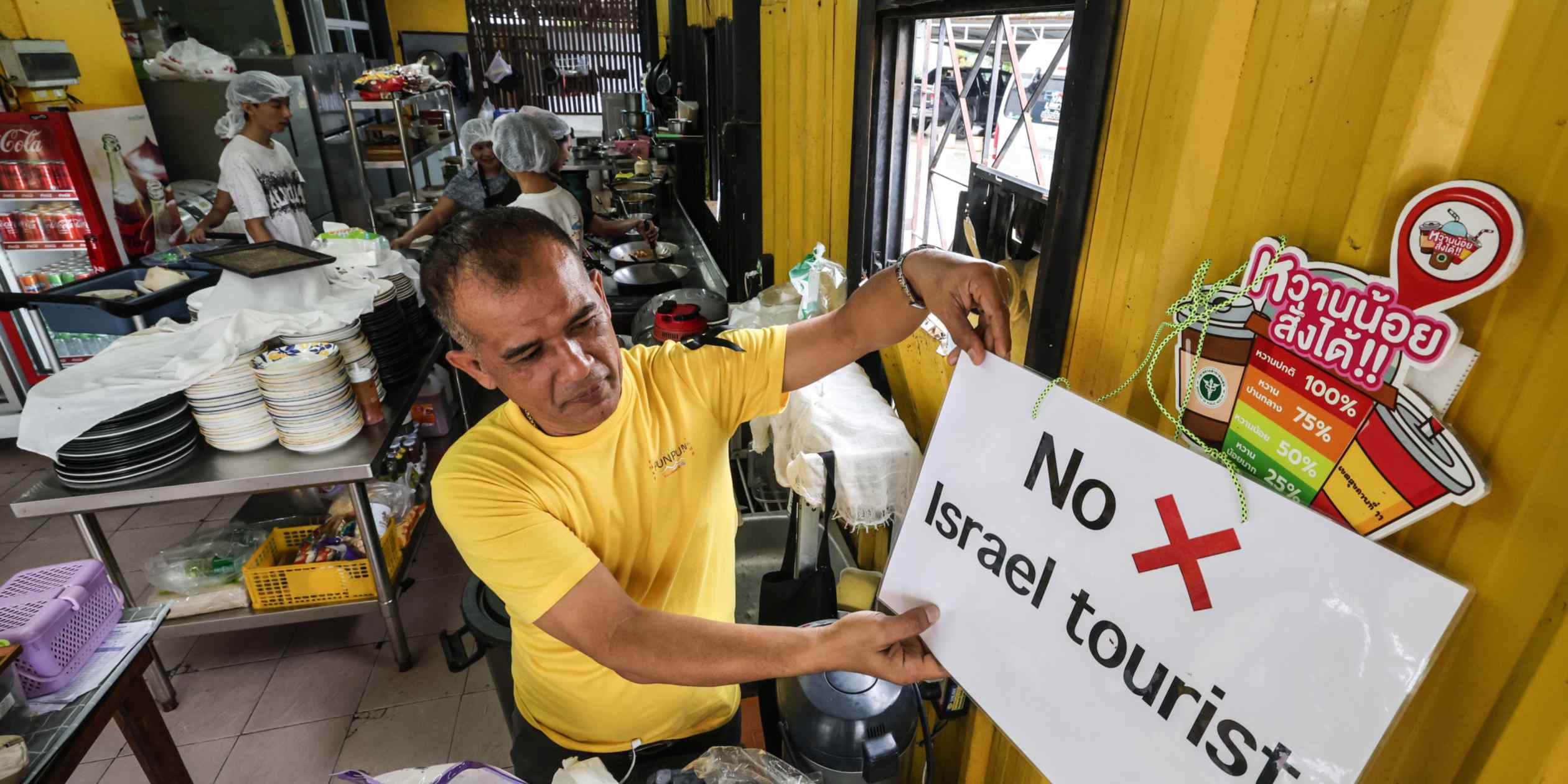
Business owners in tourist areas face difficult decisions. Some establishments in Thailand have reportedly displayed signs indicating their political positions, while others attempt to remain neutral to avoid alienating any customer base. This delicate balancing act reflects the economic realities of regions dependent on international tourism.
Malaysian authorities have taken stronger positions, with government officials openly criticizing Israel’s military operations in Gaza. Prime Minister Anwar Ibrahim recently stated that Malaysia “stands firmly with the Palestinian people” during a regional summit, reflecting the country’s longstanding diplomatic position.
In Indonesia, the world’s most populous Muslim nation, public sentiment has translated into substantial humanitarian aid campaigns for Gaza. Indonesian civil society organizations have raised millions in donations, while simultaneously organizing peaceful demonstrations in support of Palestinian sovereignty.
Digital misinformation presents a particularly challenging aspect of the current situation. Unverified videos, manipulated images, and contextless clips spread rapidly across platforms like TikTok, WhatsApp, and Facebook, often outpacing fact-checking efforts. This has sometimes resulted in incidents where tourists are unfairly targeted based on nationality or perceived political positions.
“The speed at which content spreads on social media often means emotion outpaces verification,” notes media analyst Supaporn Wongpatikarn. “This creates environments where tensions can quickly escalate based on incomplete or incorrect information.”
Tourism authorities across the region have emphasized that visitors of all nationalities remain welcome, while acknowledging the sensitivity of the current political climate. The Tourism Authority of Thailand recently issued guidelines for visitors, encouraging cultural sensitivity and awareness of local sentiments.
As the conflict continues, regional governments are navigating complex diplomatic and domestic pressures. While maintaining official positions on the conflict, they must also ensure the safety of all visitors and prevent tensions from escalating into more serious incidents.
For the tourism-dependent economies of Southeast Asia, finding this balance remains crucial as they work to recover from years of pandemic-related losses while responding to the legitimate humanitarian concerns expressed by their citizens.
Fact Checker
Verify the accuracy of this article using The Disinformation Commission analysis and real-time sources.

7 Comments
This is a troubling development that could have serious implications for the regional tourism industry and international relations. Unchecked misinformation spreading online is a recipe for escalating tensions and backlash against Israeli travelers. Proactive steps by authorities to manage the situation will be crucial.
Interesting to see how the conflict in Gaza is impacting tourism in Southeast Asia. Social media’s role in amplifying misinformation and stoking tensions is concerning. I wonder how local governments are responding to maintain stability and protect travelers.
You raise a good point. Containing the spread of misinformation and keeping the situation from escalating further will be crucial for these countries that rely heavily on tourism.
The rise of anti-Israel sentiment fueled by social media misinformation is concerning. Governments in Southeast Asia will need to address this carefully to protect tourism and international relations. Fact-checking campaigns and diplomatic outreach could help counter the spread of false narratives.
This highlights the complex geopolitical dynamics at play in the region. It’s a delicate balancing act for Southeast Asian nations to maintain relations with both Israel and their Muslim-majority populations. Effective diplomacy and public messaging will be key.
Agreed. Managing these tensions while preserving economic interests and diplomatic ties will require nuanced policymaking. It’s a challenging situation without any easy solutions.
The conflict in Gaza is clearly having ripple effects far beyond the Middle East. The proliferation of misinformation on social media platforms in Southeast Asia is worrying and could further inflame regional tensions. Diplomatic efforts to de-escalate the situation and protect vulnerable travelers will be essential.