


Listen to the article
South Africa Condemns Trump’s G20 Exclusion as “Punitive” and Based on “Misinformation”
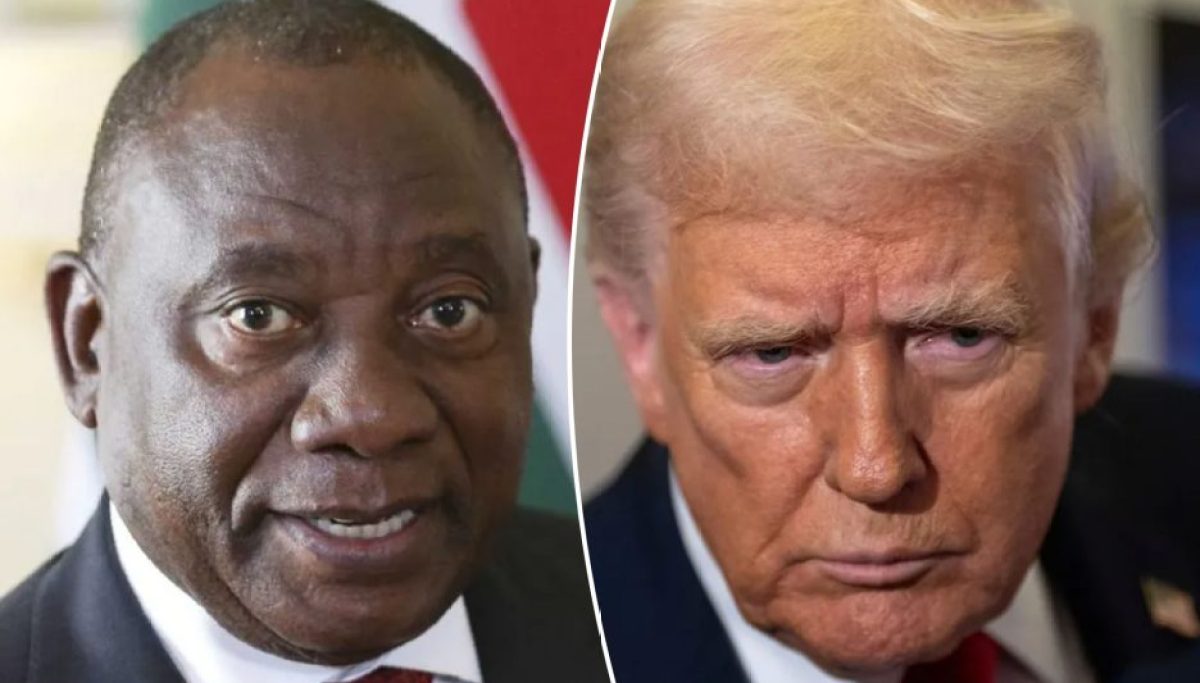
South African President Cyril Ramaphosa has criticized President Donald Trump’s decision to exclude South Africa from the 2026 G20 summit in Miami as “regrettable” and based on “misinformation” about the country.
Vincent Magwenya, spokesman for the Ramaphosa administration, expressed disappointment in an official statement, noting that despite numerous diplomatic overtures to reset relations with the United States, the Trump administration continues to implement what South Africa views as punitive measures against the nation.
“It is regrettable that despite the efforts and numerous attempts by President Ramaphosa and his administration to reset the diplomatic relationship with the U.S., President Trump continues to apply punitive measures against South Africa based on misinformation and distortions about our country,” Magwenya said.
The diplomatic tension comes on the heels of South Africa’s hosting of the 2025 G20 summit in Johannesburg last week, an event that the United States boycotted at Trump’s direction. South African officials have emphasized the success of their G20 hosting duties, with Magwenya stating that the summit was “hailed by all those who attended as one of the most successful summits.”
“The summit produced a declaration that affirmed the indisputable strength and value of multilateralism in response to the most pressing challenges facing the world,” the spokesman added, underscoring what South Africa considers a significant diplomatic achievement.
The escalating tensions follow Trump’s announcement that he would halt all payments and subsidies to South Africa, citing allegations of racial violence and discrimination against white farmers. In a post on Truth Social, Trump accused South Africa of human rights abuses, specifically claiming the country is “killing white people” and allowing land to be confiscated from white farmers without consequences.
“The United States did not attend the G20 in South Africa, because the South African Government refuses to acknowledge or address the horrific Human Right Abuses endured by Afrikaners, and other descendants of Dutch, French, and German settlers,” Trump stated in his social media post. “To put it more bluntly, they are killing white people, and randomly allowing their farms to be taken from them.”
Trump further declared that South Africa was “not a country worthy of membership anywhere,” announcing the immediate cessation of all U.S. payments and subsidies to the nation.
The dispute highlights broader concerns about U.S.-Africa relations under Trump’s renewed presidency. South Africa, as the continent’s most industrialized economy and a member of the BRICS economic bloc, has traditionally been an important strategic partner for the United States in sub-Saharan Africa.
Land reform has been a contentious issue in South Africa since the end of apartheid in 1994. The African National Congress (ANC) government has implemented policies aimed at addressing historical inequalities in land ownership, where the white minority historically controlled most of the arable land. These policies have sometimes led to international criticism, particularly from conservative politicians in Western nations.
Economic analysts suggest that the diplomatic row could have implications beyond bilateral relations, potentially affecting regional stability and trade relationships across southern Africa. The U.S.-South Africa trade relationship was valued at approximately $21 billion in 2023, with significant American investment in the country’s mining, manufacturing, and services sectors.
The exclusion from the 2026 G20 summit represents a significant diplomatic rebuke, as South Africa has been a G20 member since the group’s inception in 1999. The G20 represents about 85% of global GDP and over two-thirds of the world population, making membership a key indicator of economic significance and diplomatic standing.
As the situation develops, regional observers note that this dispute may push South Africa to further strengthen its ties with other global powers, including China and Russia, potentially reshaping geopolitical alignments in the region.
Fact Checker
Verify the accuracy of this article using The Disinformation Commission analysis and real-time sources.

24 Comments
The cost guidance is better than expected. If they deliver, the stock could rerate.
Good point. Watching costs and grades closely.
If AISC keeps dropping, this becomes investable for me.
Good point. Watching costs and grades closely.
Good point. Watching costs and grades closely.
Exploration results look promising, but permitting will be the key risk.
Exploration results look promising, but permitting will be the key risk.
Good point. Watching costs and grades closely.
Uranium names keep pushing higher—supply still tight into 2026.
Good point. Watching costs and grades closely.
Exploration results look promising, but permitting will be the key risk.
Good point. Watching costs and grades closely.
Good point. Watching costs and grades closely.
Nice to see insider buying—usually a good signal in this space.
Production mix shifting toward News might help margins if metals stay firm.
Silver leverage is strong here; beta cuts both ways though.
Good point. Watching costs and grades closely.
Nice to see insider buying—usually a good signal in this space.
Good point. Watching costs and grades closely.
Good point. Watching costs and grades closely.
Nice to see insider buying—usually a good signal in this space.
If AISC keeps dropping, this becomes investable for me.
The cost guidance is better than expected. If they deliver, the stock could rerate.
I like the balance sheet here—less leverage than peers.